Where to stay in Oslo
Oslo stretches along a horseshoe-shaped waterfront, neatly divided by the central train station and the Oslofjord. The city is highly compact, making public transport efficient but largely unnecessary if you stay centrally. Choosing your base depends on whether you prefer the revitalized industrial harbor, the historic core, or the leafy residential streets. The further you move from the Sentrum, the more the city adopts a quiet, cozy Nordic rhythm that defines local life.
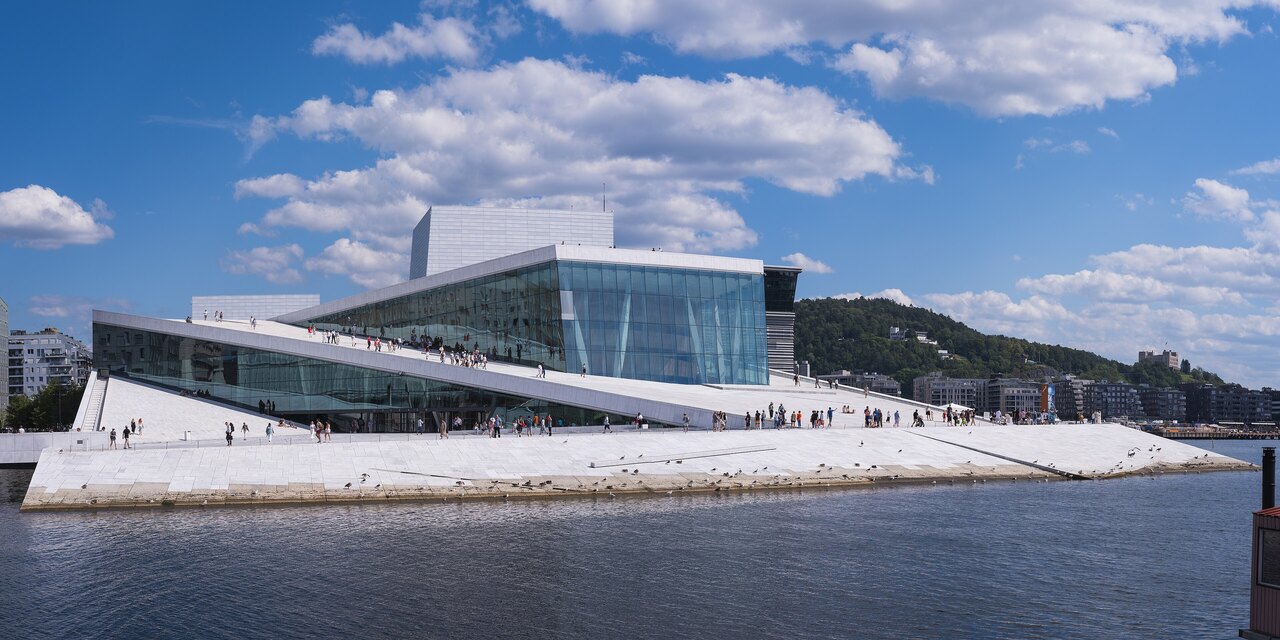
Sentrum
This is the functional heart of Oslo. Staying here places you within minutes of the Karl Johans gate shopping artery, the Royal Palace, and the Oslo Cathedral. The area is dense with modern architecture and concrete plazas. You can easily walk to the waterfront at Aker Brygge or the main train station, making day trips to the fjords or museums exceptionally easy.
Grünerløkka
Once an industrial district, this area is now Oslo's creative hub. It feels intimate, with colorful street art, the lush Akerselva river path, and the bustling Mathallen food hall nearby. Everything here is walkable, defined by narrow streets packed with small boutiques and terrace bars. It is significantly more atmospheric and less sterile than the glass-fronted office districts closer to the harbor.
Aker Brygge & Tjuvholmen
This revitalized dockside area is the city's sleekest waterfront district. The architecture is sharp and modern, featuring expansive wooden boardwalks that are perfect for evening strolls. You are steps away from the ferry terminals that head to the island beaches. It is polished, quiet at night, and offers the best direct access to the fjord's edge and upscale dining options.
Frogner
Frogner offers a refined, affluent atmosphere. The streets are lined with grand townhouses and antique shops, making it a peaceful base away from the central tourist crowds. It is highly walkable, leading directly into the sprawling green expanse of Frogner Park. The area balances classic European elegance with a local residential feel, perfect for those who prefer calm mornings.
Gamle Oslo
Located east of the central station, this area is currently undergoing rapid transformation. It feels raw and developing, housing the striking Munch Museum and the remains of the old medieval city. It is very walkable to the trendy Sørenga sea baths. While less polished than Frogner, it offers a distinct, gritty character and easier access to more affordable, modern apartment-style accommodations.
Rent a car in Oslo
Compare rental cars from local and international companies, with free cancellation on most bookings.
Compare car rentals in OsloOne thing to think about
Avoid booking accommodation directly above the main train station or deep inside the heavy nightlife pockets near Youngstorget if you are a light sleeper. The central transport hubs remain active and noisy late into the night, often resulting in significant street noise despite the city's general reputation for quiet.
Other places to stay in Norway: lastminute.com · Megabon
Once you have a bed
The things that sell out first in Oslo are the small-group tours and the skip-the-line tickets.
Top tours & activities in Oslo
Common questions
Is it worth buying an Oslo Pass for transport?
The Oslo Pass is only worth the investment if you plan to visit three or more museums per day. Since most of the central districts are highly walkable, you will likely find yourself on foot more often than not. Only buy it if your itinerary is packed with paid cultural sites.
What is the best way to travel from the airport?
The Flytoget high-speed train is the most efficient connection, getting you to the central station in just 20 minutes. It is significantly faster and more reliable than local buses or taxis. There are frequent departures, and the process is seamless even if you are carrying heavy luggage during your transit.
Do I need to carry cash for daily expenses?
Norway is a near-cashless society. You will find that even the smallest street-side kiosk or public toilet requires a card payment. There is almost no scenario in Oslo where cash is required or preferred, so save yourself the trouble and rely entirely on your debit or credit card.
Hotel links go to Booking.com. If you book through them TonyPlan earns a small commission — the price you pay is exactly the same.