Home › Netherlands › Where to stay
Where to stay in Netherlands
The Netherlands is a compact, highly connected nation where the rail network dictates your base. Choosing where to stay means balancing the frenetic, canal-centric density of the Randstad against the quieter, historic provincial centers. Because the country is small, sticking to major hubs ensures you can reach most regions within two hours, while staying in regional towns provides a calmer pace but requires more reliance on local train schedules to access major cultural sites.
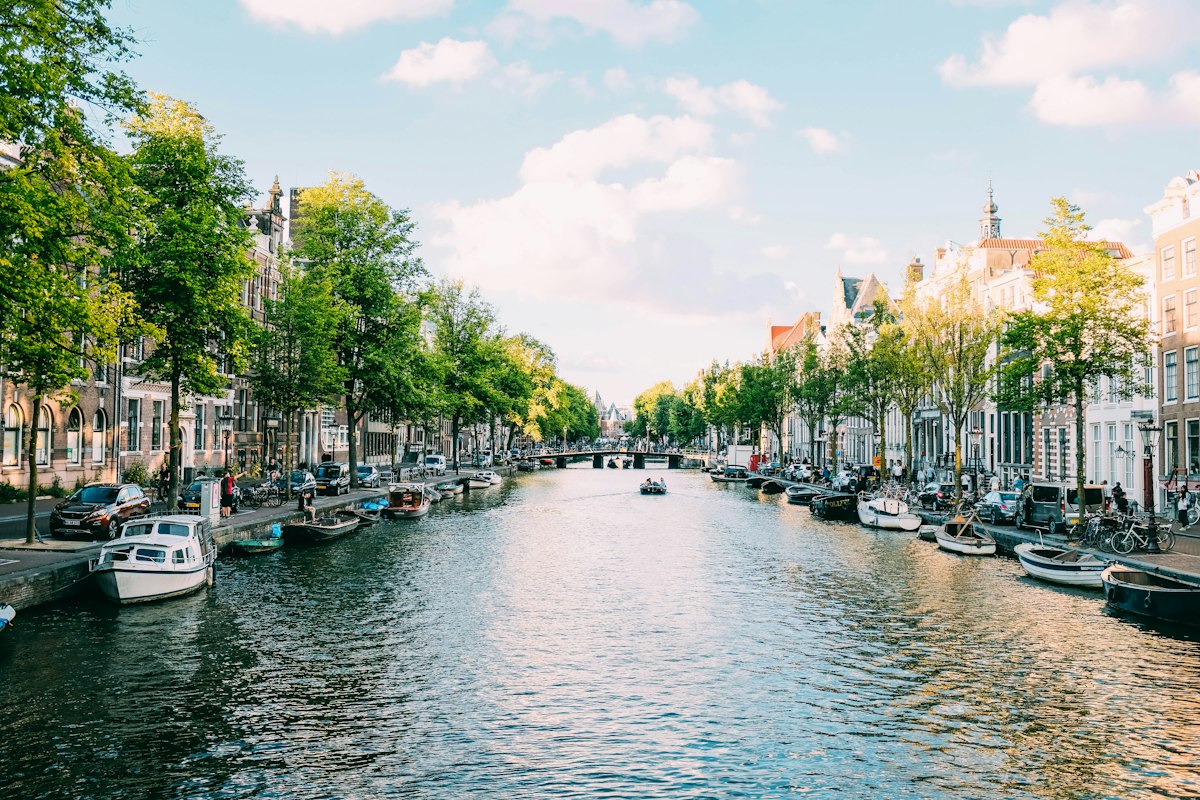
Grachtengordel, Amsterdam
This is the quintessential Dutch aesthetic: narrow merchant houses and tree-lined waterways. It feels perpetually busy but undeniably stunning. You can walk to the Anne Frank House and the Westerkerk within ten minutes. Navigating the narrow streets on foot is the best way to soak in the 17th-century atmosphere, though the sheer density of tourists near Dam Square can be overwhelming during peak hours.
Wittevrouwen, Utrecht
It is a sophisticated residential neighborhood filled with low-slung brick houses and quiet, leafy streets. It feels authentically local, far removed from the souvenir shops of larger cities. You can easily walk to the Dom Tower and the scenic Oudegracht canal in fifteen minutes. The area is dotted with small bakeries and independent cafes, offering a perfect, relaxed home base for navigating the central train station.
Wyck, Maastricht
Located just across the river from the old city center, Wyck feels like a curated collection of artisanal boutiques, high-end delis, and cozy wine bars. It is incredibly walkable, with the St. Servatius Bridge serving as your primary artery to the Romanesque sights of the old town. The area’s distinct red-brick architecture and intimate squares make it feel like a polished extension of northern France.
Rent a car in Netherlands
Compare rental cars from local and international companies, with free cancellation on most bookings.
Compare car rentals in NetherlandsOne thing to think about
Avoid staying directly on the major squares like Leidseplein in Amsterdam or Vrijthof in Maastricht if you value silence. These areas are magnets for late-night revelry and service trucks, ensuring near-constant noise until sunrise. Additionally, steer clear of hotels clustered immediately outside Amsterdam Centraal station; they are overpriced, characterless, and lack the charm of staying even ten minutes deeper into the residential canal districts.
Other places to stay in Netherlands: lastminute.com · Megabon
Once you have a bed
The things that sell out first in Netherlands are the small-group tours and the skip-the-line tickets.
Top tours & activities in Netherlands
Common questions
Is it worth renting a car to see the country?
Generally, no. The Dutch rail system is world-class, connecting major cities and smaller towns with high frequency. Renting a car becomes a liability in historic centers where street parking is expensive, rare, and difficult to navigate. Only rent if you plan on visiting rural national parks or deep countryside where train access is limited.
Do I need to carry cash for daily expenses?
The Netherlands is an exceptionally cashless society. Many small cafes, kiosks, and even local markets refuse physical currency entirely, preferring Maestro or V-pay cards. Ensure your credit card is chip-enabled and preferably a debit card, as some smaller shops do not accept standard international credit cards like American Express or Discover.
How do I navigate between cities efficiently?
Use the NS (Nederlandse Spoorwegen) app for real-time train schedules. Tap in and out at yellow gates with your contactless credit card or a dedicated OV-chipkaart. Trains run every fifteen minutes on main lines, making spontaneous travel easy. Always check for engineering works on weekends, which can sometimes result in bus replacements between smaller regional stations.
Hotel links go to Booking.com. If you book through them TonyPlan earns a small commission — the price you pay is exactly the same.