Home › Namibia › Where to stay
Where to stay in Namibia
Namibia is vast, with travel dictated by immense distances and gravel roads. Most visitors split their time between the Atlantic coast, the red dunes of the Namib Desert, and the northern wildlife reserves. Choosing where to stay means balancing proximity to park gates against the isolation of lodge life. Distances between hubs are significant, so staying within designated areas or reserves is essential for minimizing daily transit and maximizing time in nature.
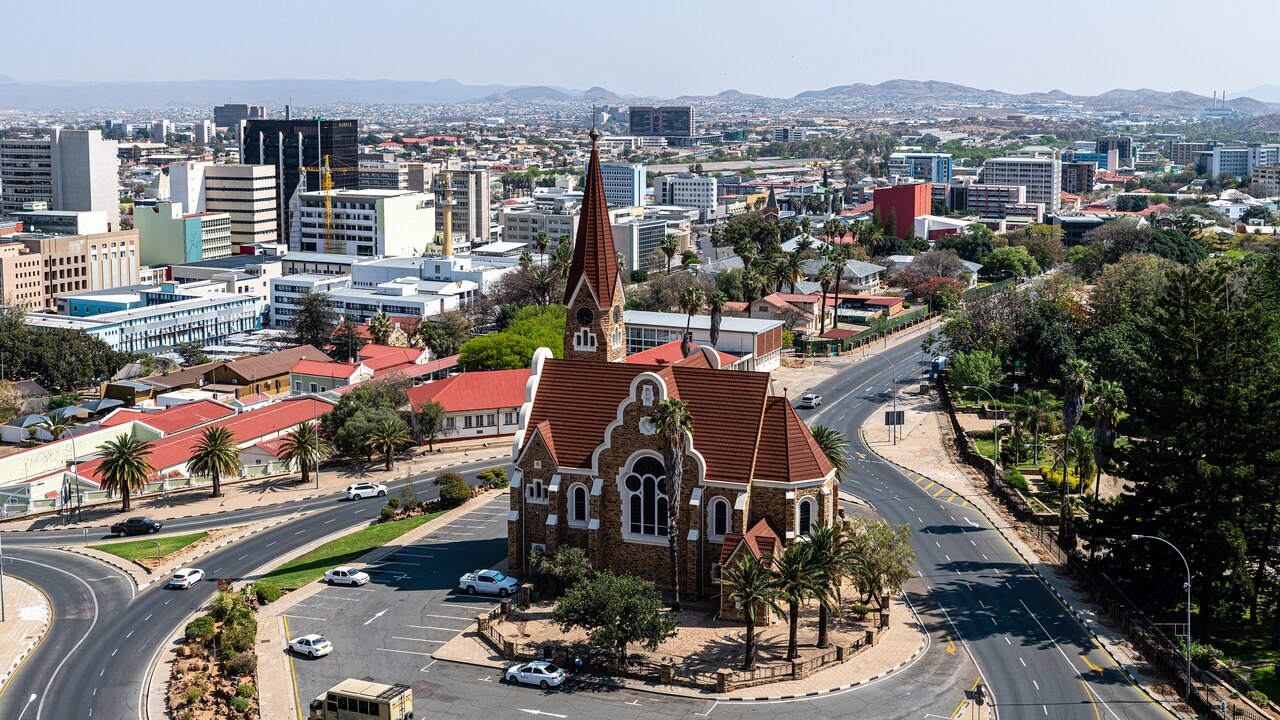
Swakopmund
This town feels like a surreal German colonial outpost caught between the frigid Atlantic and the towering Namib dunes. It is highly walkable, with pedestrian-friendly streets like Sam Nujoma Avenue lined with colorful, historic architecture. You can easily reach the Jetty for sunset views or explore the local craft markets and cafes on foot within twenty minutes.
Sossusvlei Area
Staying here is about total immersion in the Namib-Naukluft Park environment, often within private reserves that offer exclusive gate access. You are isolated, with most activities requiring lodge-provided vehicles. The atmosphere is stark and quiet, focused on the shifting light over Sesriem Canyon. It is not a walking town; it is a landscape of expansive, sandy vistas and dark night skies.
Etosha National Park (South)
Staying at camps like Okaukuejo offers direct views of floodlit waterholes where herds gather at night. The experience is utilitarian, centered on the spectacle of the animals rather than urban comforts. You are limited to the immediate camp perimeter on foot, with all serious exploration requiring a vehicle. It is dusty, dry, and defined by the massive white salt pan.
Rent a car in Namibia
Compare rental cars from local and international companies, with free cancellation on most bookings.
Compare car rentals in NamibiaOne thing to think about
Avoid booking accommodation solely based on price if it lies far outside the main park gates. Namibia’s vastness means a forty-kilometer distance can take over an hour on corrugated gravel roads, severely limiting your wildlife viewing time and draining your energy before the day truly begins.
Once you have a bed
The things that sell out first in Namibia are the small-group tours and the skip-the-line tickets.
Top tours & activities in Namibia
Common questions
Do I need a 4x4 vehicle for traveling between these areas?
While main routes are maintained, a 4x4 is highly recommended for comfort and safety. Namibia's road network consists largely of gravel; high clearance provides better stability on loose surfaces and protects your vehicle from rock damage. It is essential for navigating minor roads leading to remote lodges during the drier seasons.
When is the best time to visit for wildlife?
The dry season, from June to October, is superior for game viewing. As water sources vanish, wildlife congregates around permanent waterholes in parks like Etosha, making animals easier to spot. Temperatures are also cooler, which is more comfortable for long days of driving across the desert plains.
Are credit cards widely accepted in remote regions?
In major towns like Swakopmund, cards are standard. However, once you move into remote desert lodges or small rural trading posts, cash is king. Always carry enough Namibian Dollars to cover fuel, snacks, and park fees, as electronic payment systems often fail due to limited cellular connectivity in the interior.
Hotel links go to Booking.com. If you book through them TonyPlan earns a small commission — the price you pay is exactly the same.