Home › Montreal › Where to stay
Where to stay in Montreal
Montreal is an island city defined by its grid, stretching from the downtown skyscrapers toward the slopes of Mount Royal. The city is fractured by elevation and language; French-speaking residential pockets cluster around the mountain, while English-influenced corridors line the St. Lawrence River. Choosing where to stay means balancing proximity to the nightlife-heavy Plateau, the historic cobblestones of Old Montreal, or the transit-linked hubs that keep the city’s vast geography manageable.
Le Plateau-Mont-Royal
This is the heart of Montreal’s bohemian spirit. Walking here means navigating dense rows of triplexes and tree-lined streets full of murals. You are always steps away from a late-night bagel shop or a bustling bistro. Parc La Fontaine serves as the neighborhood's living room, while St. Laurent Boulevard acts as your primary north-south artery for nightlife and dining.
Vieux-Montréal
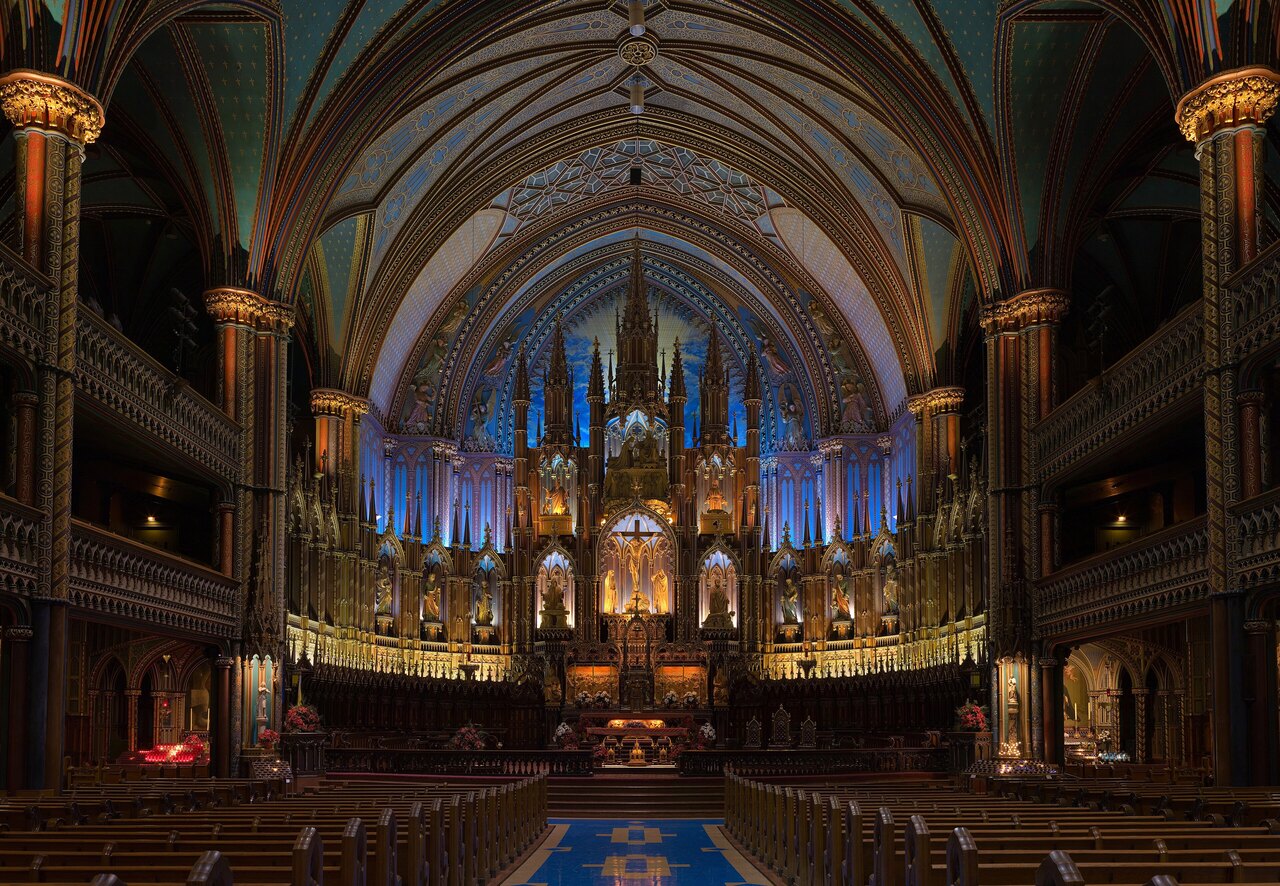
The historic district is defined by 17th-century architecture, cobblestone alleys, and the grandeur of Notre-Dame Basilica. It is perfectly walkable but can feel congested near the Old Port docks. You are best positioned here for waterfront strolls and high-end dining, though it lacks the neighborhood charm of residential districts further north. It feels more European than North American.
Mile End
Located just north of the Plateau, this area is the epicentre of Montreal's indie scene. It is highly walkable and packed with independent bookstores, vintage shops, and the city’s best cafes. Saint-Viateur Street is the anchor for food lovers. It feels like a small town embedded within the city, dominated by low-rise brick buildings and a distinct creative energy.
Downtown (Centre-Ville)
This is the high-density hub of skyscrapers, office complexes, and the massive underground city network. It is convenient for transport but lacks the soul of the surrounding boroughs. Walking here is about navigating big-city bustle and major retail strips like Sainte-Catherine Street. You stay here for functional access to the Quartier des Spectacles and the city’s primary transit interchanges.
Little Italy
Centered around Jean-Talon Market, one of North America's largest public markets, this area is a sensory experience of fresh produce and Italian cafes. It is a dense, walkable pocket that feels intimate and genuine. You will spend your mornings walking the market stalls and your afternoons hopping between espresso bars. It is well-connected by bus, though slightly further from the metro.
Rent a car in Montreal
Compare rental cars from local and international companies, with free cancellation on most bookings.
Compare car rentals in MontrealOne thing to think about
Avoid staying directly on Sainte-Catherine Street in the Entertainment District if you are a light sleeper. The noise from street performers, festivals, and late-night bars is relentless, and the area feels like a generic retail corridor rather than the true Montreal experience.
Once you have a bed
The things that sell out first in Montreal are the small-group tours and the skip-the-line tickets.
Top tours & activities in Montreal
Common questions
Do I need a car to get around?
Absolutely not. Montreal has an exceptional metro and bus network that reaches almost every corner of the island. Parking is notoriously difficult, expensive, and subject to complex street cleaning rules. You are much better off using the STM transit pass or a Bixi bike share membership to navigate the grid efficiently.
Is French essential for navigating the city?
While Montreal is a bilingual city and you will easily find staff in tourist areas who speak English, basic French phrases are highly appreciated. In neighborhoods like the Plateau or Little Italy, menus and service are often French-first. A polite 'Bonjour' goes a long way in establishing rapport with locals during your stay.
When is the best time to visit?
June through September offers the best weather for walking and outdoor festivals. Winter is beautiful but requires significant preparation for extreme cold and snow. If you visit in summer, expect high humidity and crowds; if you visit in winter, ensure your accommodation is close to the Metro or the underground city to avoid long walks.
Hotel links go to Booking.com. If you book through them TonyPlan earns a small commission — the price you pay is exactly the same.