Where to stay in Milan
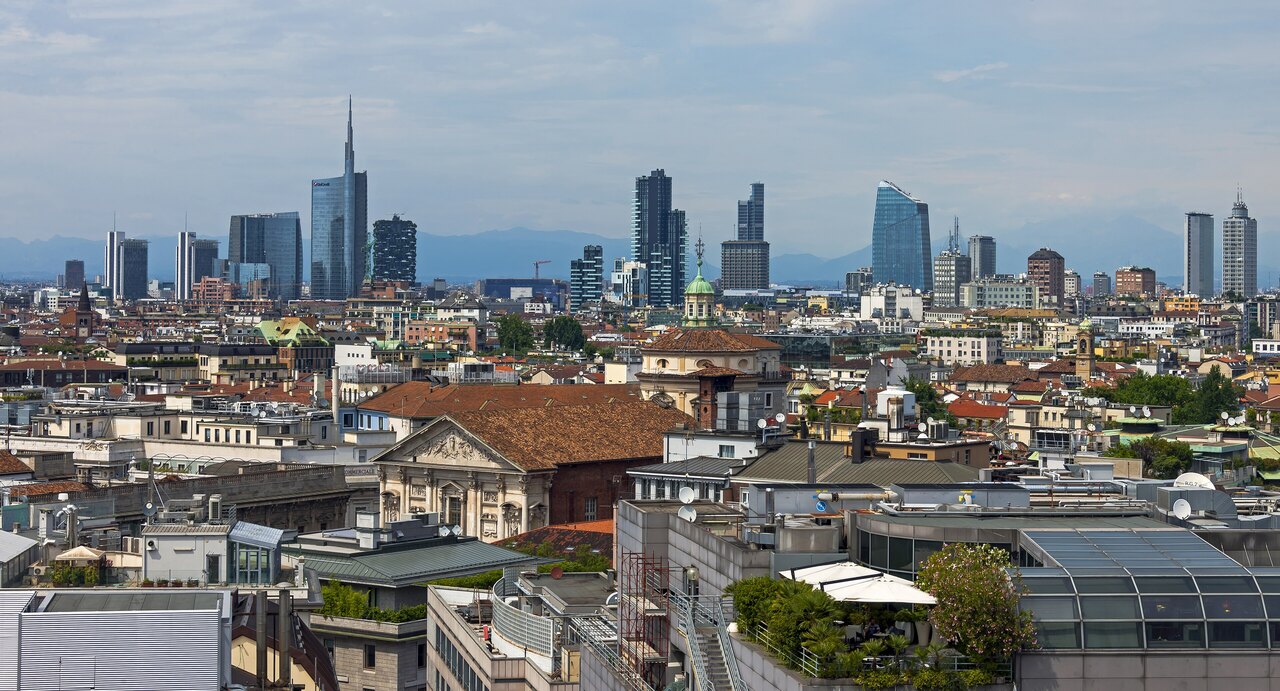
Milan radiates from the Duomo in the center, with public transport arteries branching out into distinct, historically segmented districts. Most of the city is flat and dense, making it highly walkable, but your experience changes drastically based on whether you choose the sleek, commercial towers of the north or the gritty, canal-lined creative hubs of the south. Choosing the right quarter depends entirely on your priority: high-fashion proximity, nightlife, or direct train access.
Brera
Brera feels like a village preserved in time with narrow, cobblestone streets and private courtyards. It is incredibly walkable, placing you steps away from the Pinacoteca di Brera and the luxury boutiques on Via Solferino. The neighborhood is refined and quiet in the mornings, transforming into a bustling dining hub at night. You are within a ten-minute walk of the Duomo.
Porta Venezia
This area features stately 19th-century buildings and a high concentration of independent galleries and vintage shops. It is centrally located with excellent subway links, and you can easily walk to the Indro Montanelli Public Gardens or the high-fashion window displays on Corso Venezia. The neighborhood strikes a balance between local daily life and proximity to major tourist landmarks.
Navigli
Defined by the historic canals originally designed by Leonardo da Vinci, this area is the center of Milanese social life. It feels raw and energetic, with streets lined with bohemian cafes and vintage furniture stores. You can walk along the Alzaia Naviglio Grande for hours. While lively, it is a bit further from the central Duomo, requiring a tram ride to reach the cathedral.
Isola
Formerly an industrial enclave, Isola is now home to the futuristic Bosco Verticale towers and sleek, glass-fronted office blocks. The streets are packed with experimental bistros and hidden bars. It feels fresh and ambitious, situated right next to the major Milano Porta Garibaldi train station. You can walk to the Gae Aulenti piazza in minutes, offering a stark contrast to the historic center.
Quadrilatero della Moda
This is where the world’s most famous fashion houses maintain their flagship stores. Staying here feels exclusive and sterile, focused entirely on service and proximity to Via Montenapoleone and Via della Spiga. It is ultra-central, making the Duomo and the Teatro alla Scala accessible within a five-minute stroll. It is the most expensive and polished pocket of the city.
Rent a car in Milan
Compare rental cars from local and international companies, with free cancellation on most bookings.
Compare car rentals in MilanOne thing to think about
Avoid booking accommodation directly adjacent to Milano Centrale station. While convenient for early train departures, the surrounding streets are noisy, lack local character, and are inundated with aggressive solicitors and tourist traps designed for transit passengers rather than residents. You will be far from the city's true cultural heart.
Other places to stay in Italy: lastminute.com · Baglioni · UNA Italian Hospitality · Megabon
Once you have a bed
The things that sell out first in Milan are the small-group tours and the skip-the-line tickets.
Top tours & activities in Milan
Common questions
Is it necessary to use public transport in Milan?
Milan has an excellent tram and subway system, but the central areas are compact enough to explore on foot. You will only truly need the metro or trams if you are staying in peripheral districts like Isola or if you want to reach the San Siro stadium. Trams are particularly scenic for cross-town transit.
Which time of year is best for a Milan city break?
Spring and autumn are ideal, specifically April, May, and October. During these months, the weather is mild and perfect for walking. August should be avoided as many local businesses close for the summer holidays, leaving the city feeling somewhat deserted, while mid-winter can be damp and gray, discouraging long walks through the outdoor plazas.
Are reservations required for restaurants in Milan?
For dinner, reservations are essential, especially in popular neighborhoods like Brera or Navigli. Milanese dining culture is focused on high-quality service and specific sittings. Showing up without a booking at a trendy spot on a Friday or Saturday night will almost certainly result in being turned away or waiting for an hour.
Hotel links go to Booking.com. If you book through them TonyPlan earns a small commission — the price you pay is exactly the same.