Where to stay in Manila
Manila is a sprawling, fragmented metropolis defined by intense traffic and disconnected pockets of development. Instead of a single city center, it functions as a collection of autonomous districts. Choosing where to stay dictates your daily rhythm; pick locations near major transport arteries or MRT lines to avoid spending hours gridlocked in private vehicles. Proximity to your planned activities is essential, as crossing the city often feels like traveling between entirely different countries.
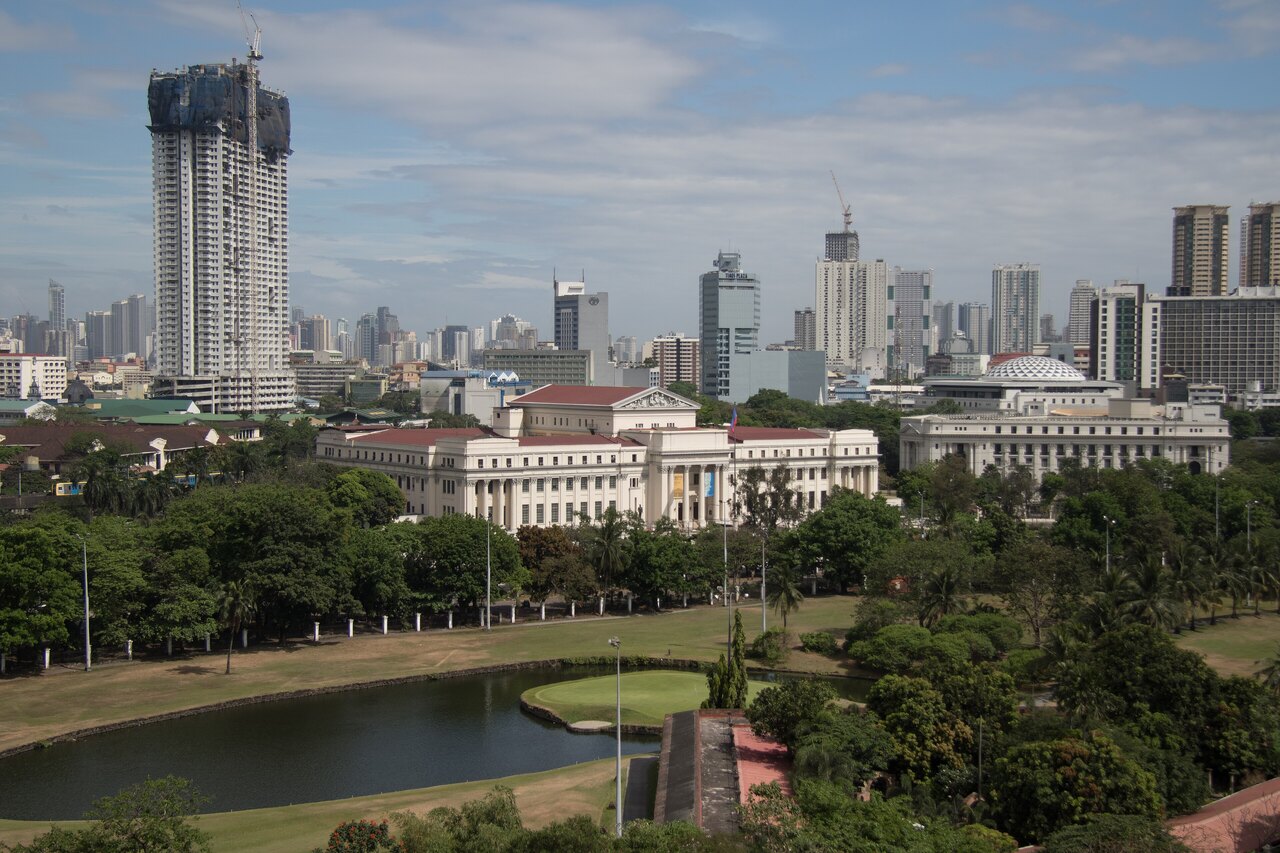
Makati Central Business District
This is the city's financial heart, characterized by manicured parks and glass skyscrapers. You can easily walk between luxury malls like Greenbelt and Glorietta, which house world-class dining and cinema. The area feels orderly compared to the chaotic sprawl outside. Ayala Avenue provides a clean, pedestrian-friendly spine, while Legazpi Village offers a more residential feel with excellent coffee shops and weekend markets.
Bonifacio Global City
Built on a former military base, BGC features wide, flat sidewalks and underground cabling. It feels like an international city, filled with high-rise residential towers, manicured parks like High Street, and trendy bars. It is perfectly walkable, allowing you to move from your hotel to sophisticated restaurants or fitness studios without encountering the usual Manila congestion. It is the most comfortable base for first-time visitors.
Poblacion
Located on the edge of Makati, this former red-light district has evolved into a dense maze of heritage houses turned into cocktail bars and music venues. It is highly walkable, though noisy until late. You can stroll from Kalayaan Avenue down to Burgos Street, finding everything from craft beer spots to late-night eateries. It feels raw, unpolished, and very alive compared to neighboring corporate districts.
Malate
Malate offers a nostalgic, crumbling charm with views of Manila Bay. You are within walking distance of Rizal Park and the walled city of Intramuros. While the infrastructure is older and the streets are busier and louder, it provides a more traditional urban experience. The area is dense with heritage architecture, local eateries, and easy access to the bay walk for sunsets, though it lacks modern luxury amenities.
Ortigas Center
Dominated by massive malls like SM Megamall and Shangri-La Plaza, Ortigas is a dense cluster of offices and residential towers. It is entirely functional, designed for convenience rather than tourism. The area is highly walkable via elevated pedestrian walkways connecting major malls and transit hubs. It lacks character but offers predictable comfort and extreme proximity to a vast array of services and office buildings.
Rent a car in Manila
Compare rental cars from local and international companies, with free cancellation on most bookings.
Compare car rentals in ManilaOne thing to think about
Avoid staying in areas directly adjacent to EDSA if you are a light sleeper, as the constant drone of buses and traffic is relentless. Be wary of booking accommodation based purely on map distance; in Manila, a two-kilometer gap can turn into a sixty-minute taxi ride during peak rush hours.
Once you have a bed
The things that sell out first in Manila are the small-group tours and the skip-the-line tickets.
Top tours & activities in Manila
Common questions
Is it better to use taxis or ride-sharing apps?
Always use ride-sharing apps like Grab. They provide transparent pricing and clear routes, which protects you from inflated taxi fares. Traditional street taxis often refuse to use the meter, especially if they see a tourist, leading to unpleasant negotiations. Grab is safer, more reliable, and tracks your journey in real-time.
How much time should I allow for airport transfers?
Never underestimate Manila traffic. If your flight is at Ninoy Aquino International Airport, allow at least three to four hours for ground transport from anywhere in the metro during weekdays. Even short distances can become paralyzed by gridlock, and missing a flight because of a jam is a common mistake for unprepared visitors.
Do I need to carry cash everywhere?
While high-end malls and restaurants in Makati and BGC accept credit cards, cash remains king throughout the rest of the city. Smaller local shops, markets, and street food vendors will rarely accept cards. Always keep smaller denominations of Philippine Pesos handy, as many vendors struggle to provide change for large bills during busy hours.
Hotel links go to Booking.com. If you book through them TonyPlan earns a small commission — the price you pay is exactly the same.