Where to stay in Macau
Macau is physically split between the Peninsula, where historic colonial heritage meets local bustle, and the reclaimed Cotai Strip, dominated by massive integrated resorts. Choosing your base depends on whether you prioritize proximity to UNESCO-listed ruins and traditional dim sum houses or prefer the convenience of luxury malls and high-end gaming floors. The two areas are connected by three bridges, making transit between them essential unless you choose to stay entirely within one zone.
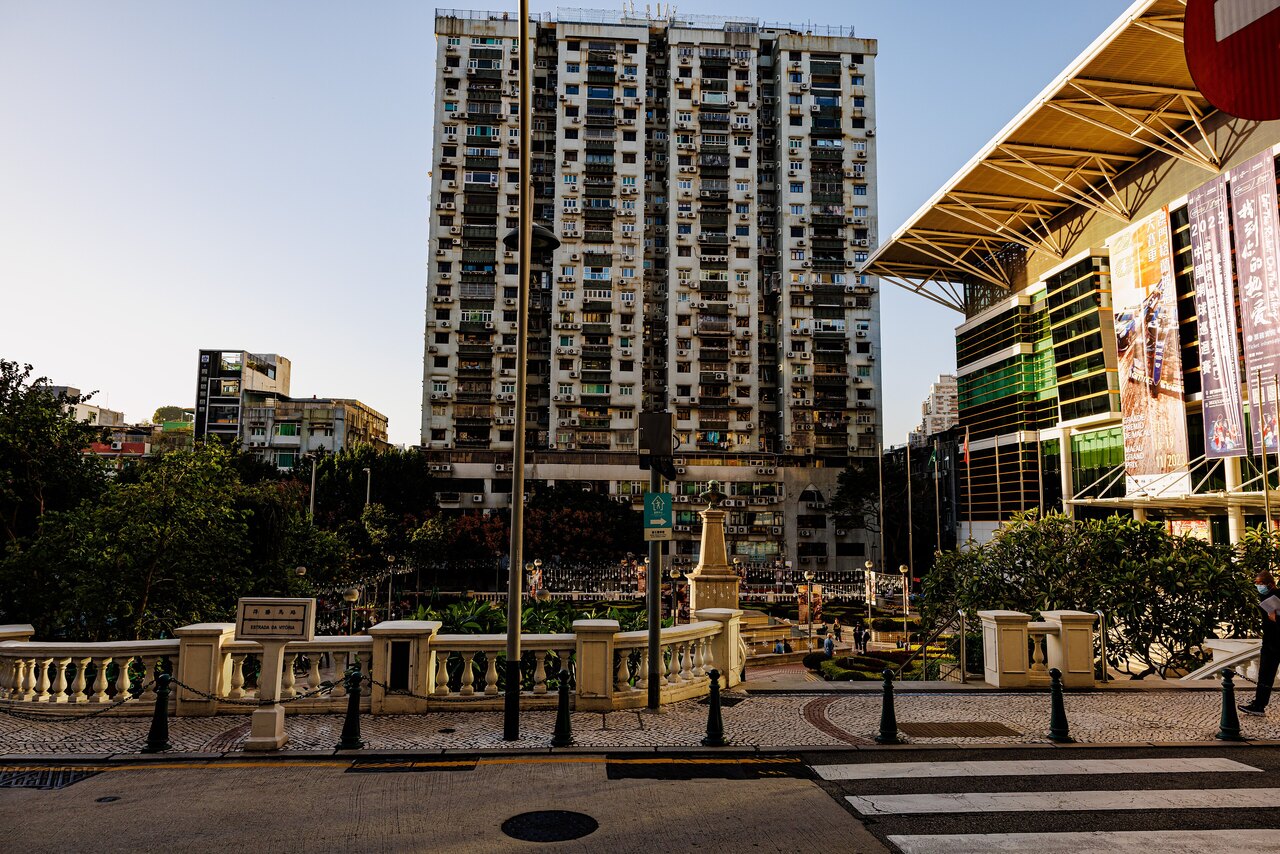
Sé
This is the city's historic core, feeling like a blend of Lisbon and Southern China. You can easily walk to the Ruins of St. Paul's, Senado Square, and the Monte Fort. The narrow, pastel-colored streets are filled with traditional bakeries and temples. It is chaotic, dense, and authentic, perfect if you want to explore the colonial heritage on foot at your own pace.
Cotai
This area consists almost entirely of interconnected massive casino-hotels. Everything is walkable via elevated indoor bridges and air-conditioned walkways connecting The Venetian, The Londoner, and The Parisian. It feels less like a city and more like a neon-lit, self-contained playground. It is the best place to be if you want high-end dining, shopping malls, and massive entertainment shows right at your doorstep.
Taipa Village
Located right next to the Cotai Strip, this former fishing village retains a distinct character with narrow alleyways and colorful houses. Rua do Cunha is the heart of the food scene, famous for pork chop buns and almond cookies. It is entirely walkable and offers a refreshing, human-scale alternative to the towering resorts nearby, bridging the gap between old Macau and modern luxury.
Rent a car in Macau
Compare rental cars from local and international companies, with free cancellation on most bookings.
Compare car rentals in MacauOne thing to think about
Think twice about staying in the northern Peninsula districts near the Gongbei border. These areas are incredibly congested, noisy, and cater primarily to high-volume cross-border commuters. They lack the tourist amenities of the center and involve significant travel time to reach major sights or the leisure activities in Cotai.
Once you have a bed
The things that sell out first in Macau are the small-group tours and the skip-the-line tickets.
Top tours & activities in Macau
Common questions
Do I need to carry cash for everything?
While most large hotels and high-end shops accept major credit cards, Macau is still very much a cash-based city, especially in the historic Peninsula district. Street-side food stalls, small noodle shops, and local buses predominantly require Hong Kong Dollars or Macau Patacas in physical currency. Keep small change handy for bus fares and snacks.
How do I get between the Peninsula and the Cotai Strip?
The most convenient method is the free shuttle buses provided by major casino-hotels, which run between the ferry terminals, the airport, and the resorts. Taxis are also readily available, though they can be hard to flag down during peak evening hours. Public buses are affordable and reliable but can be extremely crowded during the morning and evening rush.
Is it worth visiting for just a single day?
A day trip allows you to see the Ruins of St. Paul's and walk through Senado Square, but you will miss the distinct atmosphere of Taipa Village or the night-time spectacle of the Cotai Strip. Staying overnight gives you the time to experience the distinct contrast between the colonial history and the modern resort architecture without feeling rushed.
Hotel links go to Booking.com. If you book through them TonyPlan earns a small commission — the price you pay is exactly the same.