Where to stay in London
London is a sprawling web of distinct urban villages connected by the Underground. Since the city lacks a single center, your choice of district dictates your daily pace. Stay central to be near iconic landmarks, or push into the residential inner boroughs for a more authentic lifestyle. Prioritize proximity to a Tube line that connects directly to your most anticipated stops to avoid spending your entire trip commuting across the city.
Bloomsbury
This academic hub features graceful garden squares and Georgian architecture. It is effortlessly walkable, placing you minutes from the British Museum and the bustling independent bookshops along Lamb’s Conduit Street. You are perfectly positioned between the academic quietude of the university district and the high-energy theaters of Covent Garden, offering a sophisticated contrast to the city's more chaotic tourist corridors.
Shoreditch
Shoreditch vibrates with an industrial edge. You can walk from your hotel to the curry houses of Brick Lane, the vintage stalls at Spitalfields Market, or the nightlife bars along Old Street. It is dense with personality, where converted warehouses house tech offices and pop-up galleries. The area feels like the epicenter of modern London’s evolving cultural scene.
South Bank
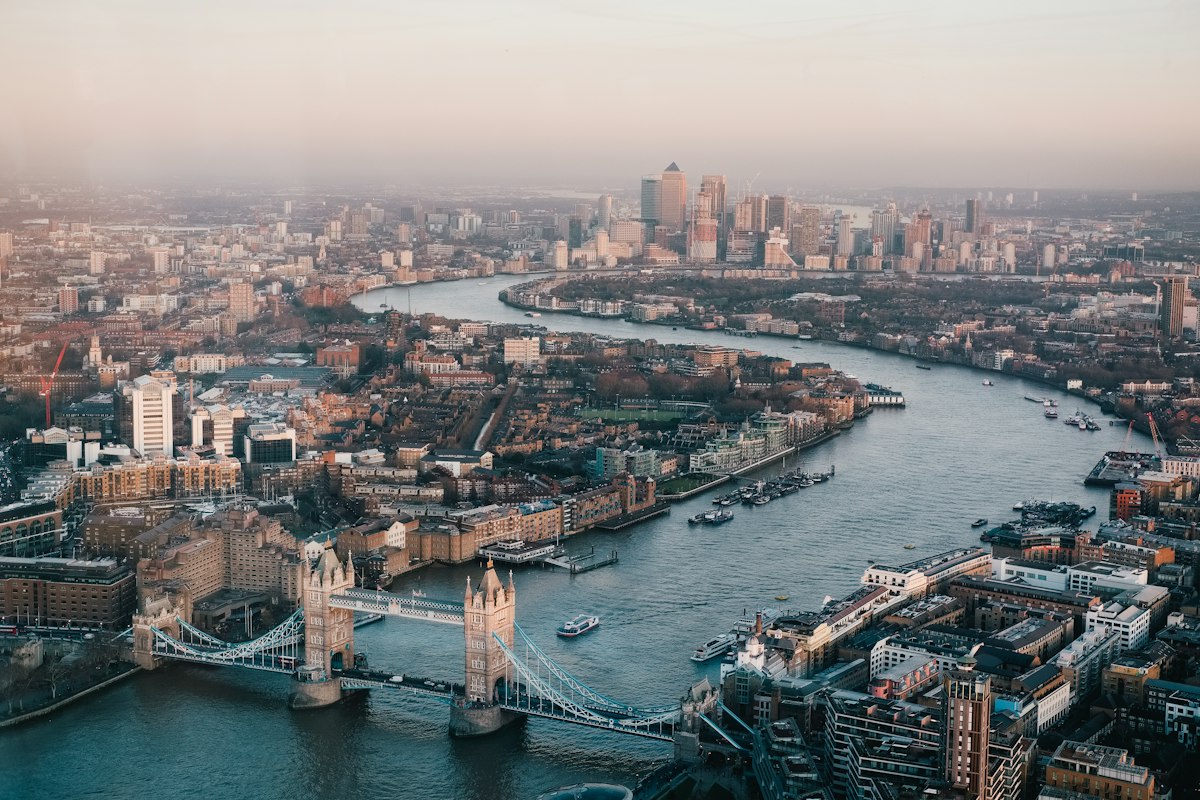
Stretching along the Thames, this area is defined by its pedestrian-only walkways and iconic skyline views. You are steps away from the London Eye, Tate Modern, and Borough Market. The convenience is unmatched for those wanting to tackle major attractions on foot, though the constant flow of tourists can make the sidewalks feel crowded during peak weekend hours.
Marylebone
Marylebone feels like a refined village hidden in plain sight. Walkable and elegant, Marylebone High Street is packed with independent boutiques and curated food shops rather than generic chains. It is ideal if you want to explore the Wallace Collection or wander toward Oxford Street, yet retreat to a quieter, residential-feeling street for a peaceful night of rest.
South Kensington
Dominated by white-stucco Victorian townhouses, this area is refined and impeccably maintained. You are within a short walk of the Natural History Museum, the V&A, and the sprawling lawns of Hyde Park. It is a highly residential pocket of the city that provides a serene, sophisticated environment, making it a reliable choice for those prioritizing aesthetics and ease of transport.
Rent a car in London
Compare rental cars from local and international companies, with free cancellation on most bookings.
Compare car rentals in LondonOne thing to think about
Avoid booking accommodation near Leicester Square or Piccadilly Circus. While these spots feel central, they are relentlessly noisy, expensive, and congested with tourists at all hours. You will find yourself trapped in a neon-lit tourist bubble that lacks the true character of London’s distinct neighborhoods.
Other places to stay in United Kingdom: lastminute.com · Baglioni · COMO · Megabon
Once you have a bed
The things that sell out first in London are the small-group tours and the skip-the-line tickets.
Top tours & activities in London
Common questions
Is the London Underground truly the best way to get around?
The Underground is incredibly efficient for covering long distances, but it is often slower than walking or taking a bus for short, cross-town hops. I recommend using a contactless card or phone for seamless travel, but always check a map first; you might find that two Tube stops are actually a pleasant ten-minute walk through a historic street.
Do I need to carry cash for daily expenses in London?
London is almost entirely cashless. From small independent coffee stalls to street food markets and bus fares, contactless payment is standard everywhere. You will rarely need physical currency, though carrying a small amount of coins for occasional tipping or market stalls can be helpful. Stick to using your credit card for almost every transaction.
Which time of year offers the best balance of weather and crowds?
Late spring, specifically May and early June, offers the most pleasant experience. You avoid the peak summer school holiday congestion and the relentless rain often associated with late autumn. The parks are in full bloom, the outdoor dining terraces are open, and the city atmosphere feels optimistic, making it the ideal window for extensive walking and exploring the streets.
Hotel links go to Booking.com. If you book through them TonyPlan earns a small commission — the price you pay is exactly the same.