Where to stay in Kaunas
Kaunas is defined by the confluence of the Nemunas and Néris rivers, anchored by a long pedestrian axis stretching from the Medieval Old Town through the modernist New Town (Naujamiestis). The city drops into a basin, with residential quarters like Žaliakalnis perched on the surrounding hills, linked by historic funiculars. Staying close to the central pedestrian strip guarantees simple walking access, while hill districts trade immediate central convenience for space and brutalist or interwar architecture.
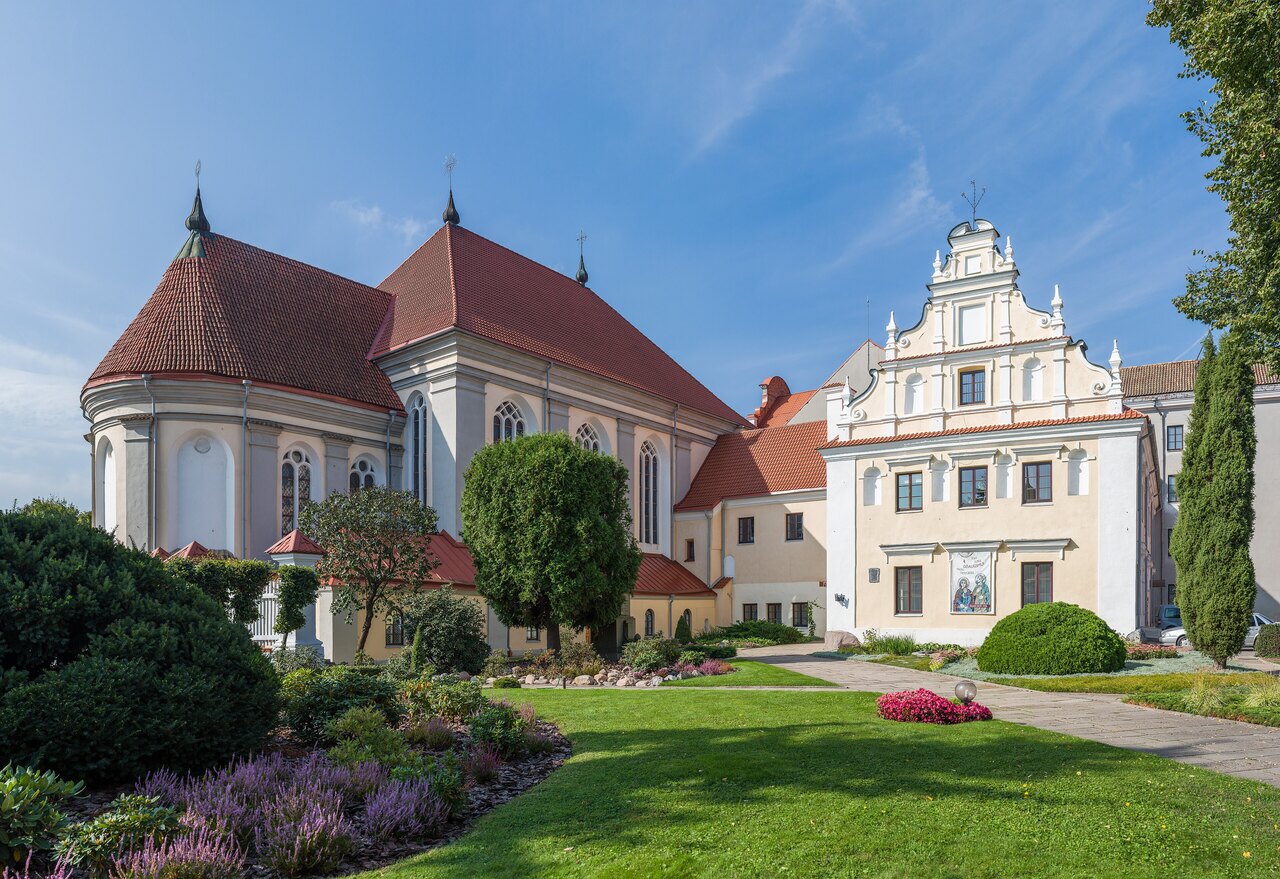
Old Town (Senamiestis)
Cobbled streets, red-tile roofs, and Gothic architecture define this headland between the two rivers. You can step outside your door and walk to the 14th-century Kaunas Castle or Town Hall Square in minutes. Rotušės Aikštė is lined with sidewalk cafes, though it clears out early. Everything here is walkable, including the western end of Laisvės Alėja.
New Town (Naujamiestis)
Centered on Laisvės Alėja, a two-kilometer car-free avenue lined with linden trees and 1930s functionalist facades. It feels lively, practical, and urban. You are within a ten-minute walk of the Devil's Museum, M. K. Čiurlionis National Museum of Art, and the central train and bus stations at the eastern edge.
Žaliakalnis
Occupying the plateau above Naujamiestis, this leafy neighborhood is reached by the 1931 Žaliakalnis Funicular. It offers a slower, local pace away from tourist groups. The massive modernist Christ's Resurrection Church sits on the ridge, providing sweeping views of the city below. You will rely on the funicular or a steep stairs walk to reach the center.
Žagariškės & Aleksotas
Located south across the Nemunas River, connected by the Vytautas the Great Bridge. Aleksotas is home to the city's second historic funicular, taking you up to a panorama point over the Old Town skyline. It is quieter and less polished, with fewer dining options, but the walk into the center takes just 15 minutes over the water.
One thing to think about
The area immediately surrounding the main train station (Kaunas Geležinkelio Stotis) at night is bleak and lacks dining. While convenient for early buses, it isolates you from the pedestrian life of Laisvės Alėja, which sits 15 minutes away on foot.
Other places to stay in Lithuania: lastminute.com · Megabon
Once you have a bed
The things that sell out first in Kaunas are the small-group tours and the skip-the-line tickets.
Common questions
Is Kaunas walkable or do I need public transport?
The core is extremely walkable. Old Town and New Town form a continuous 3 km pedestrian zone. You only need buses or the historic funiculars if you stay up on the Žaliakalnis or Aleksotas hills, or when traveling to the Ninth Fort outside the city center.
Should I stay in the Old Town or New Town?
Choose Old Town for historic charm, compact cobbled streets, and river views. Choose New Town (Naujamiestis) if you prefer modern apartments, interwar architecture, proximity to the train station, and a wider variety of everyday services and specialty coffee shops along Laisvės Alėja.
How many nights are ideal for a stay in Kaunas?
Two full days are sufficient to walk the entire pedestrian core, ride the funiculars, visit the Čiurlionis museum, and tour Kaunas Castle. Add a third night if you plan to visit the Ninth Fort memorial site or explore the modernist architecture trail in detail.
Hotel links go to Booking.com.