Home › Kamakura › Where to stay
Where to stay in Kamakura
Kamakura is a narrow coastal valley flanked by steep hills and the Sagami Bay. The city is bisected by the Yokosuka train line, with the primary tourism spine stretching from Kamakura Station toward the Hasedera Temple. Choosing your base depends on whether you prefer convenient access to the regional rail network or the slower, meditative pace of the seaside neighborhoods where the Enoden streetcar line acts as your primary connection.
Rent a car in Kamakura
Compare rental cars from local and international companies, with free cancellation on most bookings.
Compare car rentals in KamakuraKomachi
This area sits immediately adjacent to the Kamakura Station. It feels energetic and dense, anchored by Komachi-dori, a busy pedestrian street packed with street food vendors and boutiques. You can easily walk to the Tsurugaoka Hachimangu shrine within ten minutes. The environment is bustling and noisy, perfect if you intend to explore other nearby coastal towns daily.
Hase
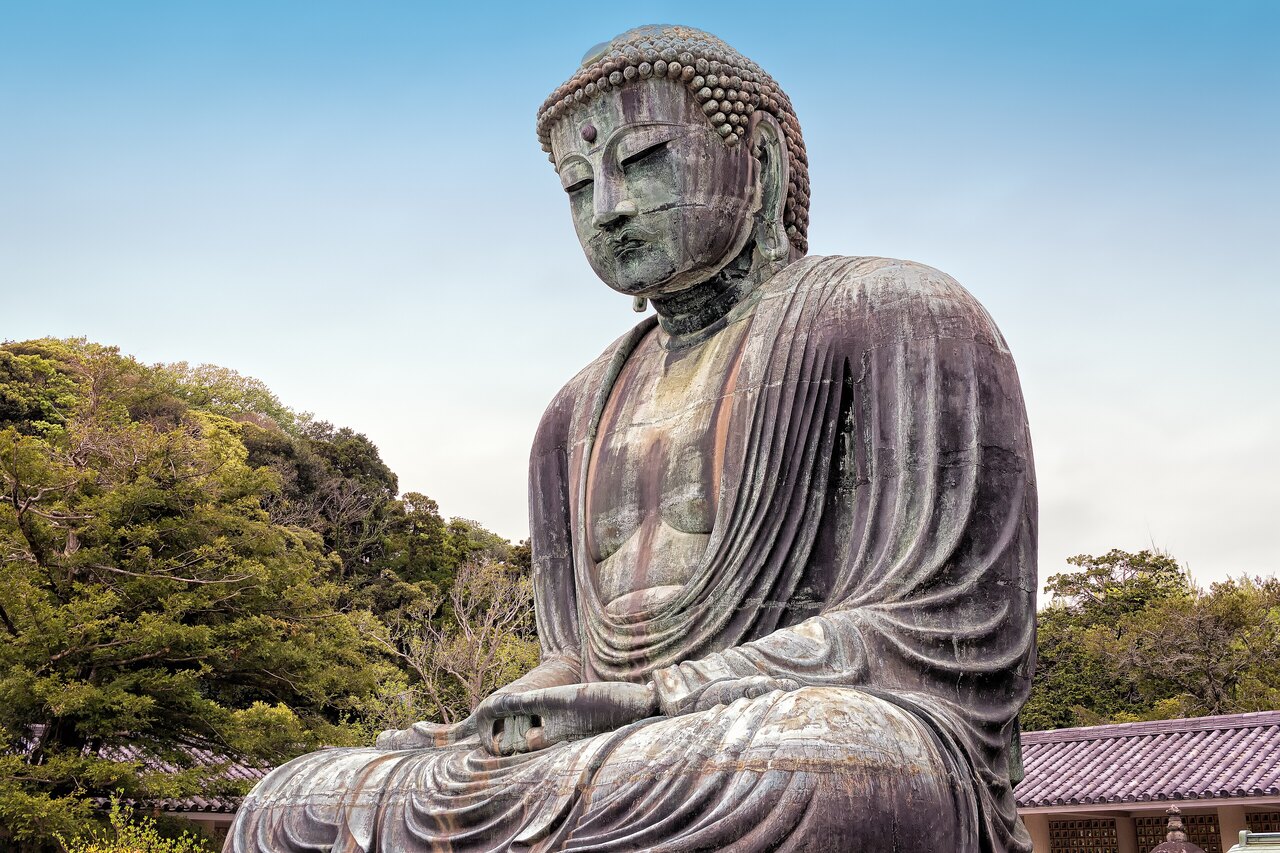
Hase feels like a traditional residential enclave that balances spiritual heritage with a relaxed seaside aesthetic. It is incredibly walkable; you can stroll from the famous Hasedera Temple to the Great Buddha (Kotoku-in) in minutes. The neighborhood is quieter at night, dominated by local izakayas and the rhythmic sound of the Enoden tram rattling through narrow streets.
Yuigahama
Located south of the city center, Yuigahama offers immediate access to the wide sandy beach. The vibe is laid-back, characterized by small surf shops and cafes. It is a pleasant 15-minute walk to the central station or a short tram ride. The area is defined by its breezy residential streets and views of the bay, feeling more suburban and spacious.
One thing to think about
Avoid staying near the main Kamakura Station entrance if you value quiet, as the area experiences constant foot traffic and station noise. Additionally, steer clear of large chain hotels situated along the main arterial roads, as they often lack the authentic atmosphere of the local guesthouses found in the side alleys.
Once you have a bed
The things that sell out first in Kamakura are the small-group tours and the skip-the-line tickets.
Top tours & activities
Common questions
Is a rental bicycle practical for getting around?
Bicycles are excellent for the flat coastal routes between Hase and Yuigahama, but they become impractical once you head into the northern hills. The terrain toward the hiking trails is steep and narrow, making walking or local bus transit a much more reliable option than fighting with inclines on a heavy rental bike.
Do I need an IC card for the local transport?
Yes, carrying a Suica or Pasmo card is essential. While the main JR trains take these cards, the vintage Enoden streetcar also accepts them. It saves significant time at ticket machines during peak season when queues at major hubs like Kamakura Station grow exceptionally long and slow.
Which season offers the best experience for walking?
Late autumn is ideal because the humidity drops and the air is clear for coastal views. While the hydrangea season in June is iconic, the crowds near Hasedera are overwhelming, often resulting in hour-long waits just to enter temple grounds. If you prefer walking without bottlenecks, aim for November or early December.
Hotel links go to Booking.com.