Home › Gyeongju › Where to stay
Where to stay in Gyeongju
Gyeongju is a sprawling open-air museum where ancient tombs sit alongside modern streets. Because the major sites are clustered in the central basin but surrounded by rural outskirts, your choice of accommodation dictates whether you spend your time cycling through historic parks or commuting by bus. Staying centrally is essential to appreciate the city’s scale, as the most significant heritage sites are reachable on foot or via a short bike ride.
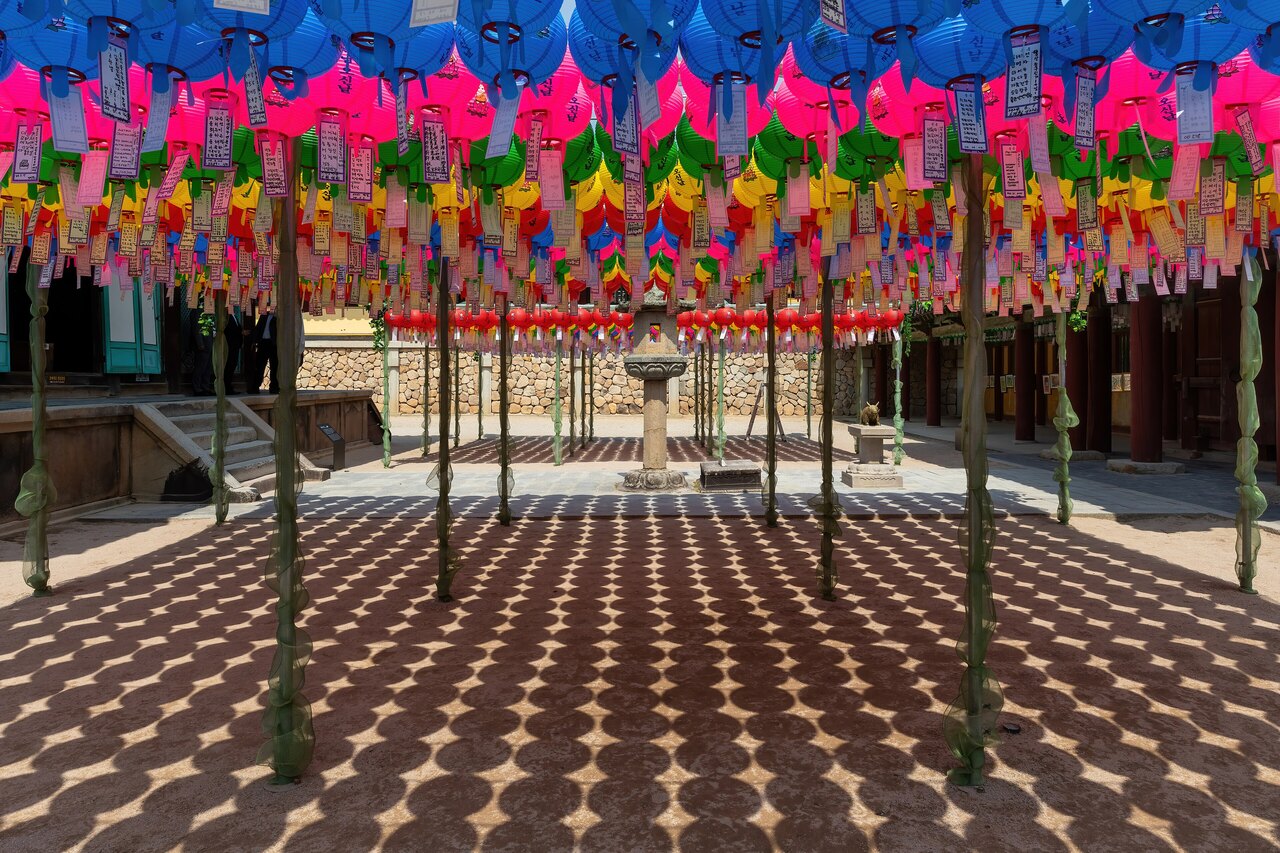
Hwangnidan-gil
This is the heartbeat of Gyeongju, where traditional hanok houses have been converted into chic eateries and shops. It is dense, energetic, and highly walkable. You can easily stroll to Daereungwon Tomb Complex and the Cheomseongdae Observatory within ten minutes. The atmosphere is bustling by day and neon-lit by night, perfect for those who want to be in the middle of the local social scene.
Bomun Tourist Complex
Set around Bomun Lake, this district feels like a manicured vacation bubble away from the ancient city center. It is spacious and quiet, featuring modern high-rise hotels. While you aren't walking distance to the historic ruins, the area is connected by frequent buses. It is best for those who prefer hotel amenities and nature trails over cobblestone alleys and constant history lessons.
Gyeongju Station Area (Old Town)
This area offers a more authentic, gritty side of Gyeongju that caters to locals rather than tourists. It is highly practical, providing immediate access to the Gyeongju Jungang Market for late-night street food. You are well-positioned for regional bus transfers to surrounding provinces. While less picturesque than the hanok districts, it is walkable, affordable, and offers a straightforward gateway to the city’s primary transport links.
Rent a car in Gyeongju
Compare rental cars from local and international companies, with free cancellation on most bookings.
Compare car rentals in GyeongjuOne thing to think about
Avoid staying near the KTX Gyeongju Station. It is located roughly 15 kilometers away from the city center, requiring a 30-minute bus ride or an expensive taxi every time you want to sightsee. It is isolated, surrounded by fields, and lacks the atmosphere of the historic basin.
Once you have a bed
The things that sell out first in Gyeongju are the small-group tours and the skip-the-line tickets.
Top tours & activities in Gyeongju
Common questions
Is it necessary to rent a car in Gyeongju?
Not at all. If you stay in the central basin, the city is extremely bike-friendly with flat terrain and dedicated paths connecting the major tomb complexes. For sites further afield like Bulguksa Temple, the local bus network is reliable, inexpensive, and clearly marked, making a private vehicle more of a parking liability than a convenience.
When is the best time of year to visit?
Spring and autumn are superior. April brings stunning cherry blossoms that frame the royal tombs, creating an iconic, albeit crowded, aesthetic. October offers crisp, cool weather perfect for long days of cycling between historic sites. Summer can be humid and intense, while winter temperatures often drop below freezing, making outdoor exploration of the expansive tomb parks uncomfortable.
Are there enough English speakers to navigate the city?
While older residents may not speak fluent English, the tourism infrastructure is excellent. Most signage at major landmarks, bus stops, and menus in Hwangnidan-gil include English translations. Public transport announcements also feature English audio. As long as you have a translation app for small, family-run restaurants, you will navigate the city with very little friction.
Hotel links go to Booking.com. If you book through them TonyPlan earns a small commission — the price you pay is exactly the same.