Home › Glasgow › Where to stay
Where to stay in Glasgow
Glasgow is anchored by a rigid grid system in the city centre, flanked by the sprawling West End and the rapidly gentrifying Southside. The River Clyde acts as a central divide, but the city’s heart is best navigated on foot or via the 'Clockwork Orange' subway loop. Choosing your base determines whether you prioritize grand Victorian architecture and retail therapy, or the leafy, bohemian intellectualism synonymous with the University of Glasgow.
Merchant City
This is the historic core, characterized by neoclassical facades and converted warehouse apartments. It is entirely walkable to George Square and the nightlife on Ingram Street. You are surrounded by top-tier restaurants and independent galleries. While it lacks the greenery of the West End, the urban density offers a refined, polished atmosphere for those who appreciate architectural heritage and proximity to transport links.
Finnieston
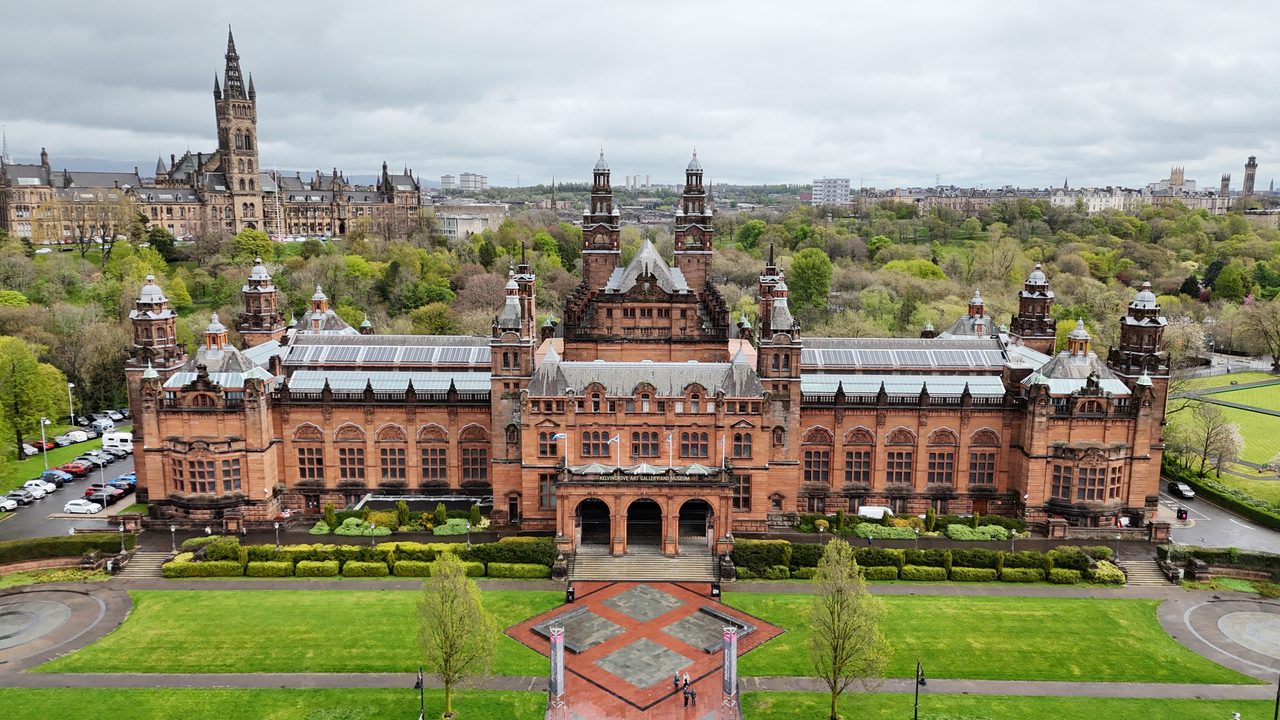
Once industrial, this area is now the culinary epicentre of the city. You are perfectly positioned between the city centre and the West End. Walking south puts you at the SEC and OVO Hydro, while the Kelvingrove Art Gallery is a short stroll north. It feels energetic, slightly gritty, and unapologetically focused on late-night socialising and high-quality artisanal hospitality.
Hillhead
Centered around Byres Road, this area captures the classic West End vibe. It is highly walkable, featuring the University of Glasgow campus and the botanic gardens. The streets are lined with Victorian tenements and independent bookshops. It feels distinct from the city centre, providing a quieter, village-like experience while remaining connected by subway stops that whisk you downtown in under ten minutes.
Tradeston
Located just south of the river, this area is undergoing significant regeneration. It provides a different perspective of the skyline and is a short, brisk walk across the Tradeston Bridge to the financial district. While it lacks the historic charm of the North side, it is practical, functional, and offers a quiet residential contrast to the bustling central tourist corridors.
Shawlands
Located in the Southside, this is the place to escape the typical tourist circuit. It is built around the vast Queen’s Park and offers a dense cluster of brunch spots on Kilmarnock Road. It feels communal and unpretentious. While it is further from the city centre, the frequent train connections make it a viable, authentic base for those who prefer parks over pavement.
Rent a car in Glasgow
Compare rental cars from local and international companies, with free cancellation on most bookings.
Compare car rentals in GlasgowOne thing to think about
Avoid booking accommodation directly on Sauchiehall Street if you are a light sleeper. While central, the stretch between the M8 motorway and the city centre suffers from intense late-night noise, rowdy pedestrian traffic, and frequent roadworks that can make arriving by car or taxi incredibly frustrating.
Other places to stay in United Kingdom: lastminute.com · Megabon
Once you have a bed
The things that sell out first in Glasgow are the small-group tours and the skip-the-line tickets.
Top tours & activities in Glasgow
Common questions
Is the subway the best way to get around?
The Glasgow Subway, known as the Clockwork Orange, is efficient for moving between the West End and the city centre. However, it is a small loop that does not reach the Southside or the East End. Use it for core transit, but supplement with the extensive bus network or local commuter trains for wider exploration.
Do I need to rent a car to visit Glasgow?
Absolutely not. Glasgow is a compact city that is best explored by foot, subway, and train. Parking in the city centre is notoriously expensive and restricted by low-emission zones. If you plan to visit the Highlands, rent a car only for the days you are leaving the city, rather than for your urban stay.
What is the best time of year to visit?
Visit between May and September to benefit from longer daylight hours and milder weather. While Glaswegian rain is inevitable year-round, the summer months bring city-wide festivals and a vibrant outdoor café culture that compensates for the grey skies. If you prefer fewer crowds and lower hotel rates, visit during the shoulder months of April or October.
Hotel links go to Booking.com. If you book through them TonyPlan earns a small commission — the price you pay is exactly the same.