Home › Denmark › Where to stay
Where to stay in Denmark
Denmark is defined by its compact, island-based geography, making travel between cities efficient via train and ferry. Copenhagen serves as the primary urban hub, while smaller towns like Aarhus and Odense offer a more intimate, pedestrian-focused pace. Choosing your location depends on whether you prioritize proximity to historic maritime districts, quick access to regional rail lines, or easy cycling routes to major cultural attractions and coastal harbor fronts.
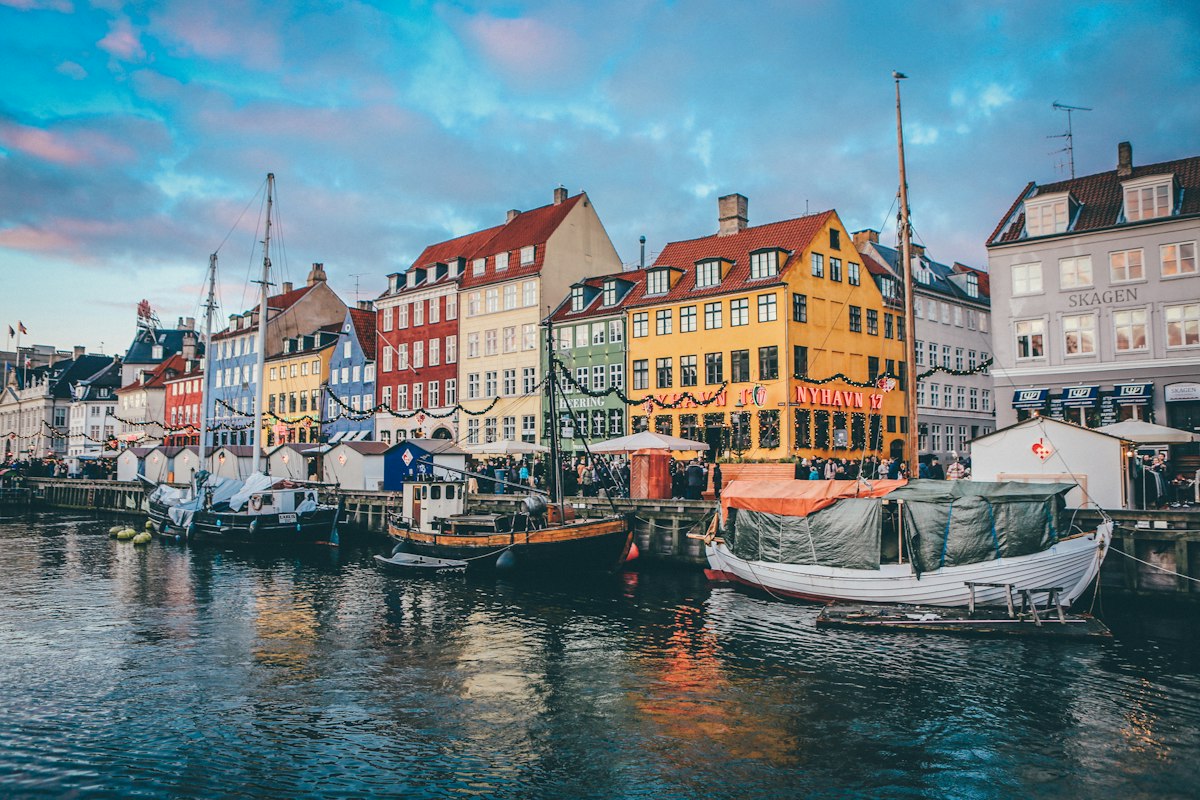
Indre By, Copenhagen
This is the city's medieval core, characterized by narrow cobblestone streets and centuries-old architecture. You can walk to the Round Tower and Amalienborg Palace in minutes. It feels dense and regal, lined with upscale boutiques along Strøget. The area is highly navigable on foot or by bike, connecting seamlessly to the scenic Nyhavn waterfront and central transport hubs.
Aarhus C, Aarhus
Aarhus C feels active and youthful. You are steps away from the ARoS Aarhus Art Museum and the historic Latin Quarter. The area is entirely walkable, leading you from the central train station to the calm Aarhus Bay. It balances heritage wooden buildings with sleek contemporary architecture, providing a manageable urban experience that feels less frantic than the capital.
Odense C, Odense
The city center is quiet and extremely pedestrian-friendly. You can walk from the Hans Christian Andersen House to the Brandts Klædefabrik art complex in ten minutes. The atmosphere is quaint and slow-paced, featuring brick-paved streets and extensive public gardens. It is the perfect base for those who want a calm, storied environment without the intensity of major metropolitan bustle.
Rent a car in Denmark
Compare rental cars from local and international companies, with free cancellation on most bookings.
Compare car rentals in DenmarkOne thing to think about
Avoid booking accommodation strictly near the main train station if you are a light sleeper. The area experiences heavy transit noise and high foot traffic well into the night, which can compromise rest despite the convenience of being located near regional rail connections.
Other places to stay in Denmark: lastminute.com · Megabon
Once you have a bed
The things that sell out first in Denmark are the small-group tours and the skip-the-line tickets.
Top tours & activities in Denmark
Common questions
Is it necessary to rent a car?
No, Denmark has an excellent rail network and local transit system. Trains and buses connect major cities efficiently, and within cities, cycling or walking is the standard. Unless you plan on exploring remote rural coastal areas, a car is often a liability due to expensive parking and strict traffic regulations.
What is the best way to travel between islands?
Denmark is linked by a sophisticated system of bridges and frequent, reliable ferries. The rail service, DSB, covers most bridge crossings, allowing for seamless travel from Copenhagen to Jutland. For smaller islands, local ferries are integrated into the public transport map, often taking both passengers and bicycles for a reasonable fee.
Do I need to carry cash?
Cash is rarely needed in Denmark. Nearly every establishment, from high-end boutiques to small street-side coffee stands, accepts major credit cards and mobile payment apps. Carrying a small amount of Danish Krone is acceptable for emergency situations, but card payment is the universal standard for all daily transactions throughout the country.
Hotel links go to Booking.com. If you book through them TonyPlan earns a small commission — the price you pay is exactly the same.