Home › Costa Rica › Where to stay
Where to stay in Costa Rica
Costa Rica’s geography dictates your travel speed; the country is split between the Caribbean and Pacific coasts, connected by rugged mountainous interiors. Choosing where to stay depends on your priority: world-class surfing, cloud forest trekking, or volcanic scenery. Since public infrastructure is slow and often unreliable, staying centrally within your chosen region is essential to minimize time spent on transit and maximize your actual exploration of the diverse tropical landscapes.
Santa Teresa
This town is one long, unpaved road running parallel to the coast. Everything is walkable, from rustic surf shacks to organic smoothie bars. You can easily reach Playa Hermosa for quieter breaks or walk to the main break in town. The atmosphere is consistently lively, characterized by surf shops, yoga decks, and open-air cafes that blend seamlessly into the jungle.
La Fortuna
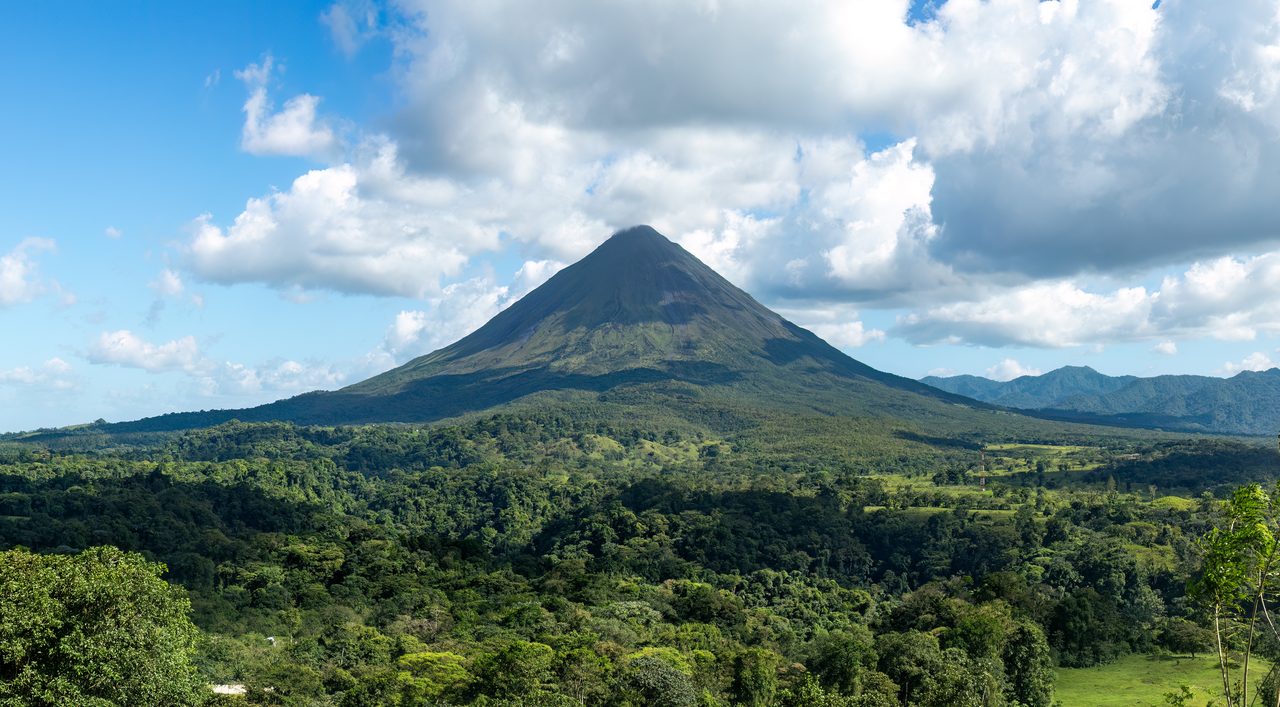
The town center is compact and pedestrian-friendly, packed with tour operators and casual sodas serving local casado. You are steps away from the main square where you can view the volcano’s silhouette. Most high-end hot spring resorts are a short shuttle ride away, but the town itself offers great proximity to the Bogarin Trail for sloth spotting.
Manuel Antonio
The main road climbs steeply from the coast, lined with hotels offering ocean views and constant monkey sightings. It is very walkable if you stay along the main corridor, which leads directly to the National Park entrance. You will find a heavy concentration of restaurants and grocery stores, making it highly convenient for those without a rental vehicle.
Rent a car in Costa Rica
Compare rental cars from local and international companies, with free cancellation on most bookings.
Compare car rentals in Costa RicaOne thing to think about
Avoid staying in downtown San Jose if your goal is nature, as the city is congested, noisy, and lacks the lush scenery you came for. Most travelers arrive at the airport and should immediately head toward their coastal or jungle destination rather than lingering in the urban center.
Once you have a bed
The things that sell out first in Costa Rica are the small-group tours and the skip-the-line tickets.
Top tours & activities in Costa Rica
Common questions
Do I need to rent a 4x4 vehicle?
If you stick to main tourist routes like those to Manuel Antonio, you can manage with a standard sedan. However, if you plan to visit the Nicoya Peninsula or remote parts of the Osa, a 4x4 is essential to handle steep, unpaved roads and deep potholes that frequently appear after heavy tropical rain.
When is the best time to visit?
The dry season runs from December to April, offering the best weather for outdoor activities. However, the green season from May to November is cheaper, less crowded, and features lush landscapes. Mornings are usually sunny even during the rainy months, so plan your hiking and beach time for early in the day.
Is the water safe to drink?
In most major towns and tourist hubs, the tap water is treated and perfectly safe to drink. If you are venturing into very remote, rural areas or staying in eco-lodges deep in the jungle, it is worth asking the hosts specifically, but generally, you will not need to rely exclusively on bottled water.
Hotel links go to Booking.com. If you book through them TonyPlan earns a small commission — the price you pay is exactly the same.