Home › Copenhagen › Where to stay
Where to stay in Copenhagen
Copenhagen is defined by a dense, walkable city core surrounded by distinct residential islands. The city functions as a collection of villages linked by reliable cycling lanes and the Metro. Staying centrally puts the historic harbor and cultural sites at your doorstep, while choosing outer districts offers a quieter, local cadence. Prioritize proximity to a Metro stop to navigate the city seamlessly without needing a car or complex bus transfers.
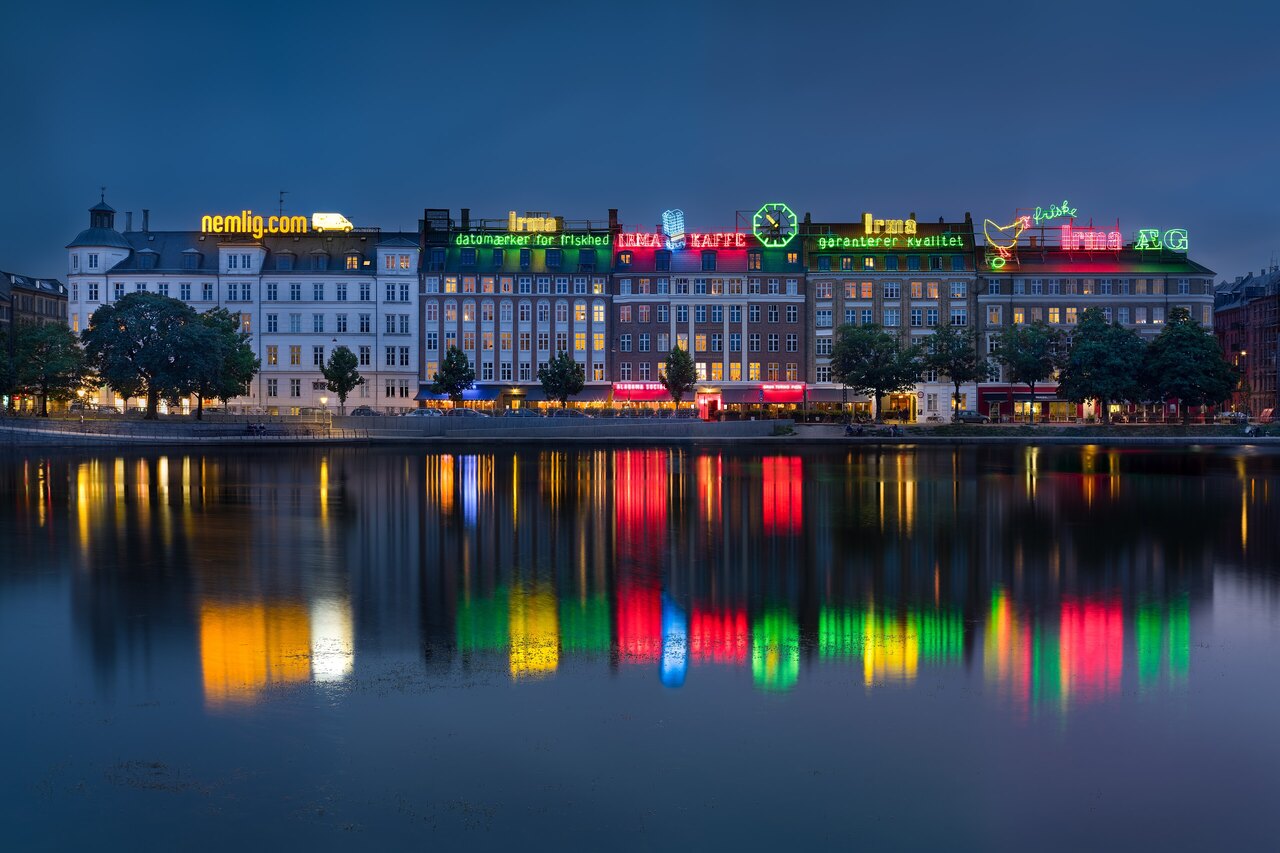
Indre By
This is the medieval heart, perfect for architecture enthusiasts. You can walk to the colorful houses of Nyhavn, the Rosenborg Castle gardens, and the Strøget shopping street within minutes. It is polished, bustling, and dense with high-end dining. Staying here means you are steps from the canal boat tours and the quintessential Copenhagen experience of narrow cobblestone lanes.
Vesterbro
Once the meatpacking district, this area is now home to the city's best independent coffee shops and late-night cocktail bars. It is walkable to the Central Station and the nostalgic Tivoli Gardens. The Værnedamsvej street offers a Parisian vibe, while the industrial Meatpacking District features concrete-cool bars and restaurants that stay lively until the early morning hours.
Christianshavn
This area feels like a nautical village with its 17th-century ramparts and houseboats. It is remarkably walkable, offering a serene atmosphere away from heavy traffic. You can walk to the Church of Our Saviour for the famous corkscrew spire view or stroll along the quiet canals to reach the city center in fifteen minutes. It feels isolated but is exceptionally well-connected.
Nørrebro
Nørrebro is the city's most diverse district, defined by the vibrant Jægersborggade street, known for its ceramics, coffee roasters, and bakeries. It is walkable to Assistens Cemetery, where Hans Christian Andersen is buried, and the green expanse of Nørrebro Park. The atmosphere is relaxed, youthful, and constantly evolving, perfect for visitors who prefer street food over formal white-tablecloth restaurants.
Østerbro
This is a leafy, affluent district that feels more like a residential sanctuary. It is highly walkable, featuring the extensive Fælledparken and the Kastellet star fort. You are close to the waterfront and the Little Mermaid statue, making it ideal for morning jogs or slow strolls. It lacks the intense nightlife of other districts, ensuring quiet evenings and easy sleep.
Rent a car in Copenhagen
Compare rental cars from local and international companies, with free cancellation on most bookings.
Compare car rentals in CopenhagenOne thing to think about
Avoid booking accommodation directly on the Strøget pedestrian street. While central, the noise from late-night crowds and early-morning deliveries is constant. Additionally, staying too far into the Amager district can feel detached, forcing you into long, repetitive Metro commutes for every single sightseeing stop.
Other places to stay in Denmark: lastminute.com · Megabon
Once you have a bed
The things that sell out first in Copenhagen are the small-group tours and the skip-the-line tickets.
Top tours & activities in Copenhagen
Common questions
Do I really need to rent a bicycle to get around?
While Copenhagen is the world's most famous cycling city, it is not mandatory. The city center and most surrounding neighborhoods are incredibly walkable. If you are comfortable on a bike, it is the fastest way to travel, but the Metro and bus network are efficient enough that you can easily reach any point without ever touching a handlebar.
When is the best time of year to visit Copenhagen?
June through August offers long, light-filled days and the best terrace dining weather. However, if you prefer smaller crowds and cozy interiors, visit in early December. The city embraces 'hygge' during the winter months, and the Christmas markets turn even the coldest evenings into a festive, warm experience that feels distinctly Danish.
Are credit cards widely accepted for small purchases?
Absolutely. Denmark is effectively a cashless society. You can pay for everything from a hot dog at a street cart to a single cup of coffee using a contactless card or mobile wallet. Do not bother exchanging significant amounts of cash, as you will find that most vendors actually prefer digital payments over physical currency.
Hotel links go to Booking.com. If you book through them TonyPlan earns a small commission — the price you pay is exactly the same.