Home › Colombia › Where to stay
Where to stay in Colombia
Colombia’s geography dictates your experience; the Andes carve the country into isolated hubs separated by long, winding mountain roads or short flights. Coastal Caribbean hubs contrast sharply with high-altitude colonial cities and coffee-growing valleys. Choosing where to stay depends entirely on your tolerance for humidity and altitude, as regional transit between these distinct climates is time-consuming and often requires air travel to avoid grueling bus journeys.
El Poblado, Medellín
This hilly district feels like a cosmopolitan extension of international city life, packed with high-end cafes and clubs. From the intersection of Calle 10 and Carrera 37, you are steps away from Parque Lleras and a short walk to the Milla de Oro. It is a dense, walkable grid of greenery, upscale apartments, and relentless energy that defines modern Colombian luxury living.
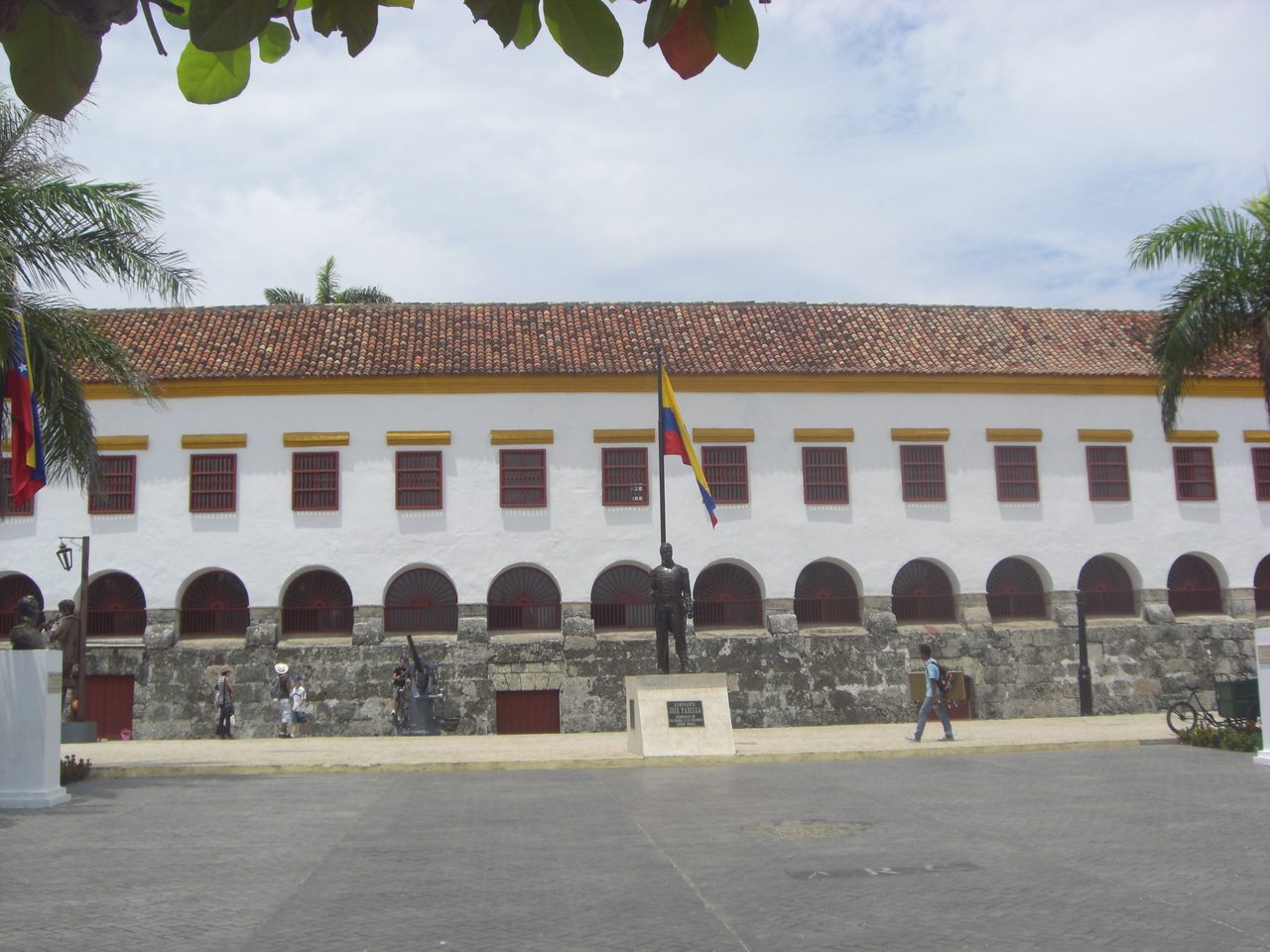
Getsemaní, Cartagena
Walking through these narrow colonial streets feels like stepping back in time, away from the sterile hotel high-rises. You can easily stroll from the Plaza de la Santísima Trinidad to the iconic Castillo San Felipe de Barajas in under fifteen minutes. The area thrives on evening street food, outdoor salsa dancing, and intimate courtyards that capture the authentic essence of the Caribbean coast.
La Candelaria, Bogotá
The air is crisp, and the streets are steep, lined with centuries-old buildings and vibrant murals. Everything worth visiting, including the Gold Museum and the massive Plaza de Bolívar, is walkable from the central cathedral area. It is intense, crowded, and architecturally stunning, offering a stark contrast to the modern northern districts that lack the same historical weight and character.
Rent a car in Colombia
Compare rental cars from local and international companies, with free cancellation on most bookings.
Compare car rentals in ColombiaOne thing to think about
Avoid booking accommodation near the center of major transport terminals, as they are often hubs for heavy congestion, loud freight traffic, and minimal walkable culture. Unless you are strictly there for a transit layover, the lack of pedestrian-friendly sidewalks and noise pollution significantly diminishes the quality of your stay.
Once you have a bed
The things that sell out first in Colombia are the small-group tours and the skip-the-line tickets.
Top tours & activities in Colombia
Common questions
Is it worth flying between cities instead of taking the bus?
Absolutely. While bus travel offers scenic mountain views, the winding Andean topography makes a 200-kilometer trip take eight to ten hours. Domestic flights are frequently inexpensive and save entire days of travel, allowing you to maximize your time in destinations like Medellín or Cartagena rather than enduring long-haul highway transit.
What is the best way to handle local currency?
Use ATMs at major banks during daylight hours rather than currency exchange kiosks at airports, which offer poor rates. Most urban restaurants and shops accept cards, but carrying small denominations of Colombian pesos is essential for street vendors, small shops in rural towns, and local transport options that do not process digital payments.
Do I need to speak fluent Spanish to navigate Colombia?
While you can manage in major tourist districts with English, learning basic conversational Spanish is highly recommended. Colombians are generally patient and friendly, and knowing simple greetings and numbers will significantly improve your experience when interacting with local transport drivers, market sellers, and people in smaller towns where English usage is much lower.
Hotel links go to Booking.com. If you book through them TonyPlan earns a small commission — the price you pay is exactly the same.