Home › Cologne › Where to stay
Where to stay in Cologne
Cologne is defined by the Rhine River, with most major sites clustered in the Altstadt and Deutz. The city is highly walkable, but your experience shifts significantly depending on which bank you occupy. Choose the west bank for history and nightlife, or the east for expansive park views and quick access to the trade fair. Reliable tram lines connect the peripheral districts, making central exploration effortless regardless of your specific base.
Altstadt-Nord
This is the heart of the city, dominated by the massive Kölner Dom. It feels crowded and tourist-heavy, yet perfectly walkable for reaching the Romano-Germanic Museum and the riverside promenade. You are steps away from the main train station and the traditional breweries lining the narrow alleys around Alter Markt. Expect high energy and constant pedestrian traffic throughout the day and night.
Belgisches Viertel
Named for streets like Brüsseler Straße, this area has a distinctly young, fashionable atmosphere. It is entirely walkable, filled with independent shops and leafy squares like Brüsseler Platz. You are a short walk from the Stadtgarten park, a perfect urban oasis. It feels more residential and authentic than the center, perfect for those who want to blend in with the local crowd.
Deutz
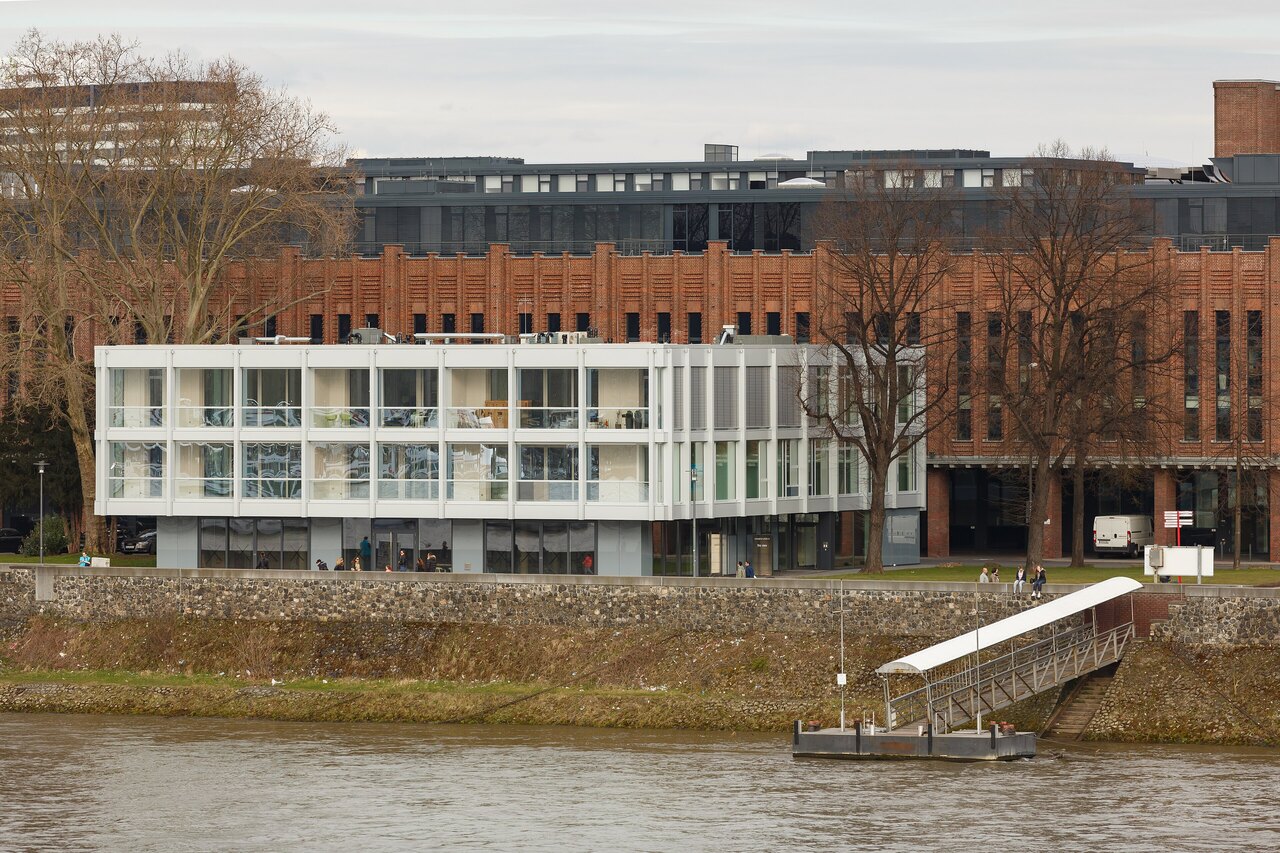
Located on the east bank of the Rhine, Deutz is quieter and more spacious. A short walk across the iconic Hohenzollern Bridge places you directly at the cathedral. The area features the Rhine Park and the Lanxess Arena. It is significantly less frantic than the Altstadt, offering a more relaxed pace while maintaining excellent connectivity via the ICE train station and local transit links.
Südstadt
This district feels distinctly communal, centered around Chlodwigplatz and Severinstraße. It is less polished than the center, characterized by traditional Kölsch houses and international eateries. You can walk to the Chocolate Museum or stroll along the Rheinauhafen to admire the futuristic Crane Houses. It is ideal for those who prefer wandering through quiet streets and discovering local corners rather than ticking off major landmarks.
Ehrenfeld
Formerly an industrial hub, Ehrenfeld is now a raw, artistic district defined by graffiti, concert venues like Live Music Hall, and late-night food spots. It is highly walkable within its own borders, filled with unique cafes along Venloer Straße. While a bit further from the cathedral, the S-Bahn provides a very fast connection, making it an edgy, affordable base for those avoiding standard tourist routes.
Rent a car in Cologne
Compare rental cars from local and international companies, with free cancellation on most bookings.
Compare car rentals in CologneOne thing to think about
Avoid booking accommodation directly adjacent to the main train station (Hauptbahnhof) or the immediate surrounding transit hubs. These areas suffer from significant noise pollution at all hours, are prone to heavy tourist congestion, and often lack the distinct neighborhood character that makes Cologne worth visiting.
Other places to stay in Germany: lastminute.com · Megabon
Once you have a bed
The things that sell out first in Cologne are the small-group tours and the skip-the-line tickets.
Top tours & activities in Cologne
Common questions
Is the public transport easy to navigate?
Cologne’s KVB transport system is exceptionally efficient. Trams, buses, and S-Bahn trains run frequently across the entire city. For visitors, buying a daily pass is the best value. Most central areas are so compact that you will find yourself walking most of the time, using transit primarily to cross the river or reach outlying districts like Ehrenfeld.
Which side of the river is better for a first-time visitor?
The west bank (Altstadt-Nord, Belgisches Viertel) is better for first-timers who want to walk to the cathedral, museums, and classic breweries. Staying here eliminates the need to rely on transport for major sightseeing. The east bank (Deutz) is better if you prefer a quieter hotel experience, more modern amenities, or are visiting specifically for a large trade fair or concert.
What should I know about dining and drinking in the city?
Cologne has a distinct pub culture centered around Kölsch, the local beer served in small 0.2L glasses called Stangen. Don't be surprised when waiters, known as Köbes, automatically replace your empty glass until you place your coaster on top. It is standard practice in traditional brewhouses, which offer hearty, meat-heavy local fare that is both affordable and incredibly filling.
Hotel links go to Booking.com. If you book through them TonyPlan earns a small commission — the price you pay is exactly the same.