Home › Chicago › Where to stay
Where to stay in Chicago
Chicago is organized around a central downtown grid intersected by the Chicago River, with residential neighborhoods sprawling outward along the 'L' train lines. The lakefront defines its eastern boundary, serving as a primary transit corridor. Choosing where to stay depends on whether you prioritize proximity to skyscrapers and corporate hubs or the distinct, independent character of the north and west side residential enclaves.
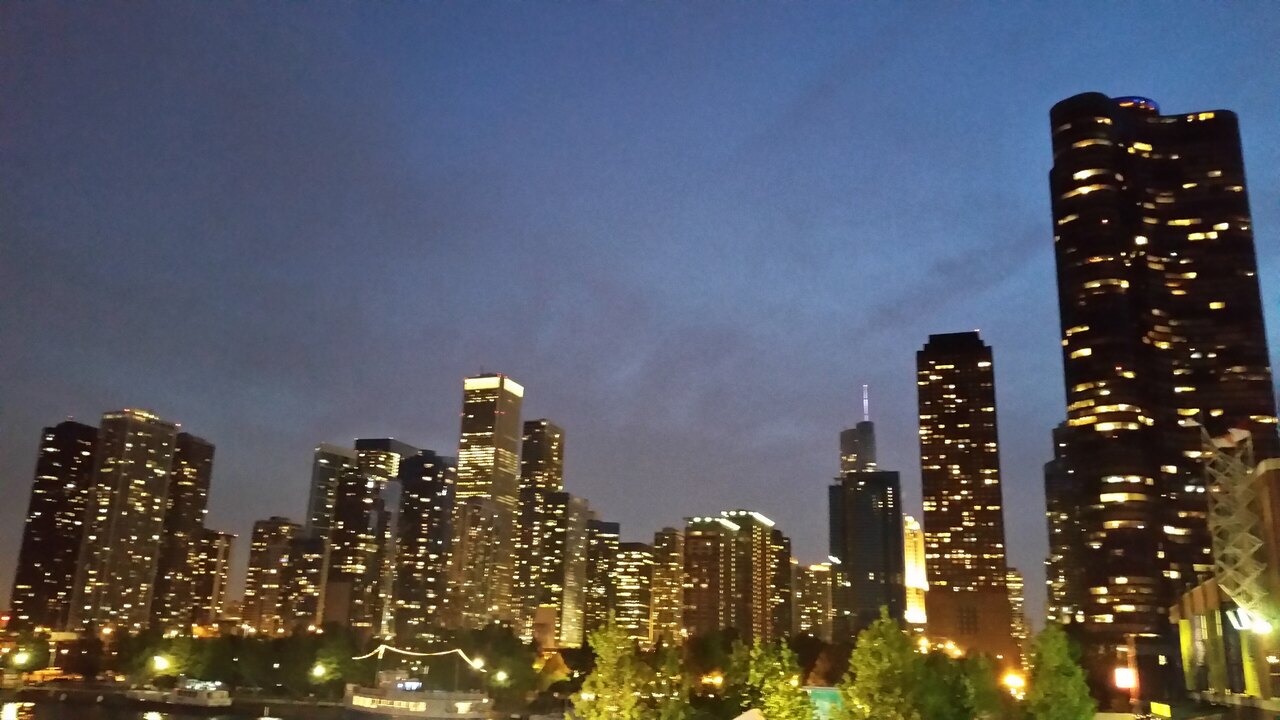
The Loop
Expect wide streets, towering office buildings, and a heavy tourist presence. It is exceptionally walkable to Millennium Park, the Art Institute of Chicago, and the Chicago Riverwalk. Public transit access is superior here, connecting you to every train line in the city. By night, the area quiets down significantly as office workers depart for residential districts.
Lincoln Park
This area features brownstone-lined streets, boutique shops along Armitage Avenue, and the expansive Lincoln Park. It is highly walkable to the Lincoln Park Zoo and the Nature Boardwalk. The neighborhood feels established and residential, offering plenty of sit-down dining options. It is well-connected to downtown by the Brown and Purple 'L' lines.
Wicker Park
The intersection of Milwaukee, Damen, and North Avenues acts as the neighborhood heart, packed with dive bars, live music venues, and local eateries. It is walkable to small galleries and the 606 trail. You will notice a high concentration of Victorian-era worker cottages mixed with modern infill. It is serviced directly by the Blue Line train.
River North
This is a dense district filled with upscale steakhouses, cocktail lounges, and high-rise hotels. It is immediately walkable to the shops on Michigan Avenue and the boat tours departing from the river. It retains a loud, busy atmosphere throughout the week. If you prefer being in the thick of the action and proximity to nightlife, stay here.
Logan Square
The area is anchored by the historic Logan Square monument and radiates outward with grand boulevards and residential density. It is highly walkable to the vibrant dining corridor on Milwaukee Avenue. It feels significantly less touristy than the lakefront, providing a genuine sense of how residents live. The Blue Line provides a direct, efficient link to O'Hare and downtown.
Rent a car in Chicago
Compare rental cars from local and international companies, with free cancellation on most bookings.
Compare car rentals in ChicagoOne thing to think about
Avoid booking accommodation directly on the main thoroughfares of the Magnificent Mile if you are a light sleeper, as traffic and emergency sirens persist throughout the night. Furthermore, avoid areas strictly adjacent to major stadiums during game days, as public transport becomes severely overcrowded and surge pricing for rideshares skyrockets.
Once you have a bed
The things that sell out first in Chicago are the small-group tours and the skip-the-line tickets.
Top tours & activities in Chicago
Common questions
How should I get around Chicago efficiently?
The 'L' train system is your best option, covering almost all major tourist areas and connecting O'Hare Airport directly to the city center. For shorter trips within neighborhoods, use the Divvy bike-share program or walk, as Chicago is remarkably flat. Avoid relying on rental cars due to expensive parking and heavy congestion.
When is the best time of year to visit?
Aim for late spring or early autumn. May, June, and September offer the most comfortable temperatures for walking the lakefront and exploring various neighborhoods. Winters are notoriously harsh and windy, while mid-summer can be exceptionally humid and crowded with major outdoor festival attendees, which drives up hotel prices significantly across the board.
Do I need to visit the suburbs during my stay?
For a standard trip, stick to the city limits. Most of the cultural interest, architectural landmarks, and dining scenes are contained within the city neighborhoods. Unless you have specific business or family in the suburbs, the time spent commuting on the Metra commuter rail is rarely worth the investment for a short-term visitor.
Hotel links go to Booking.com. If you book through them TonyPlan earns a small commission — the price you pay is exactly the same.