Home › Canary Islands › Where to stay
Where to stay in Canary Islands
The Canary Islands are a volcanic archipelago, with each island offering distinct microclimates and topography. Choosing your base requires balancing access to sandy beaches against rugged mountain terrain. Tenerife and Gran Canaria provide high-density tourism hubs with excellent transit, while Lanzarote and Fuerteventura prioritize volcanic landscapes and surf culture. Staying near the coast minimizes driving times, but relocating inland is essential for experiencing the islands' dramatic caldera hikes and traditional hilltop villages.
Costa Adeje, Tenerife
This area features manicured promenades and consistent sunshine. You can easily walk to Playa del Duque for calm, sheltered swimming or stroll along the long, paved coastal path connecting to Playa de Fañabé. It is dominated by upscale hotels and shopping centers like Plaza del Duque. The vibe is resort-focused, structured, and entirely geared toward comfortable, hassle-free seaside relaxation.
Las Palmas de Gran Canaria, Gran Canaria
The city is built around the long, golden curve of Las Canteras beach, which serves as a massive, walkable urban corridor. You can stroll from the surf spots at La Cicer to the calmer northern end, passing endless seafood restaurants along Paseo de las Canteras. It feels like a vibrant Spanish metropolis with historic architecture in the Vegueta district accessible via a quick bus ride.
Corralejo, Fuerteventura
The town centers around the old port and a series of smaller town beaches that are highly walkable. You are minutes away from the Corralejo Dunes Natural Park, where vast sandy expanses meet turquoise Atlantic waters. The main street, Calle Nuestra Señora del Carmen, is lined with low-key surf shops and open-air bars. It feels rugged, breezy, and fundamentally connected to the ocean.
Rent a car in Canary Islands
Compare rental cars from local and international companies, with free cancellation on most bookings.
Compare car rentals in Canary IslandsOne thing to think about
Avoid booking accommodation in the middle of purpose-built, inland timeshare developments if you lack a rental car. These complexes are often isolated from the coast and lack walkable grocery stores or authentic dining, leaving you entirely dependent on expensive taxis or infrequent bus schedules.
Other places to stay in Spain: lastminute.com · Megabon
Once you have a bed
The things that sell out first in Canary Islands are the small-group tours and the skip-the-line tickets.
Top tours & activities in Canary Islands
Common questions
Do I need to rent a car to explore the islands?
While main tourist hubs are walkable, a car is essential for reaching the volcanic craters, laurel forests, and remote coastal villages. Public transport exists, but it often requires long detours or multiple transfers that consume valuable vacation time. Renting a vehicle allows you to escape the crowded coastal zones and reach trailheads early in the morning.
Which island is best for hiking?
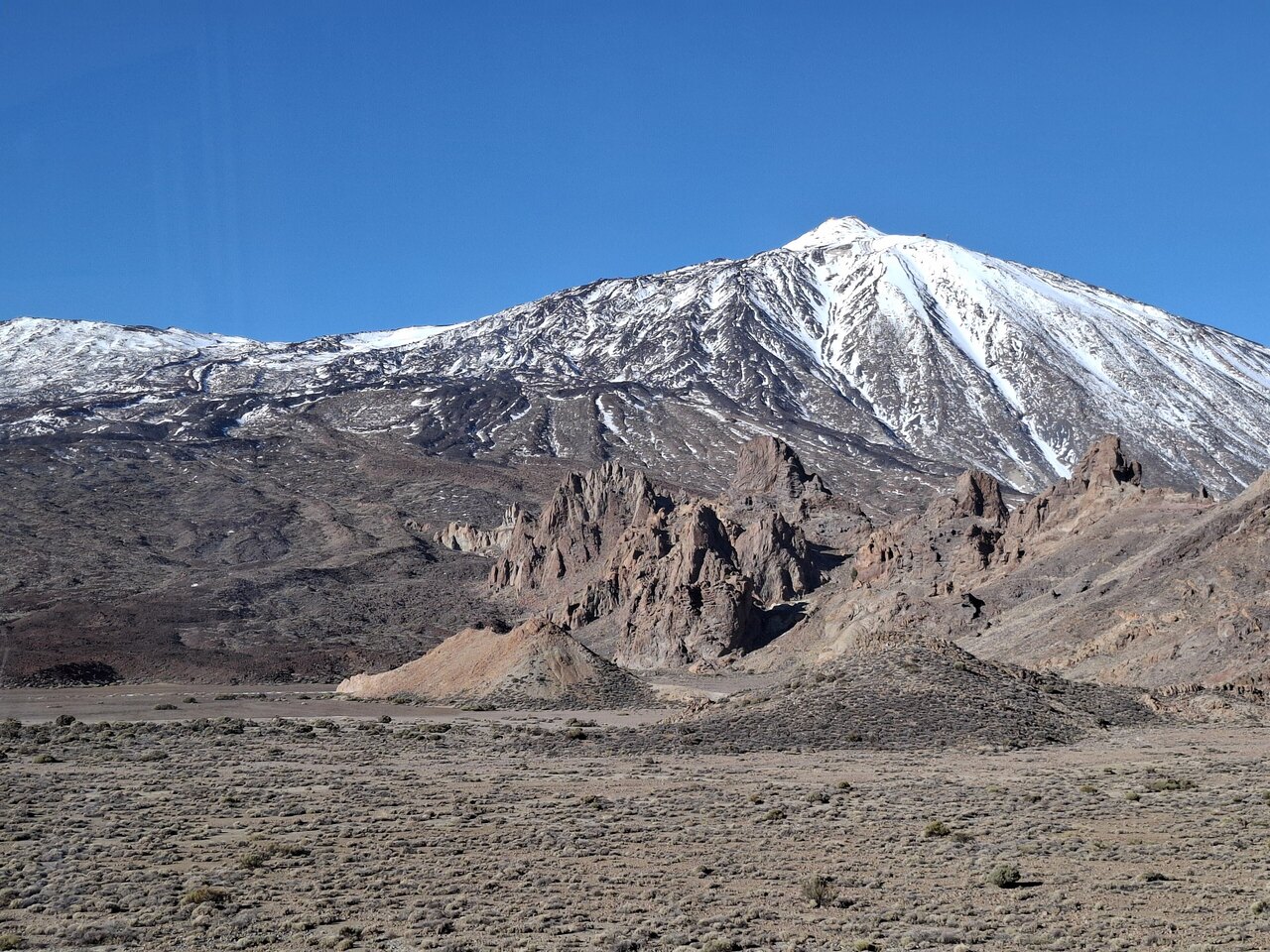
La Palma and Tenerife are the premier destinations for hikers. La Palma offers the dramatic Caldera de Taburiente with its lush greenery and deep ravines, while Tenerife provides the iconic Teide National Park. Both islands feature highly varied microclimates, meaning you can transition from pine forests and alpine-like terrain to desert-like volcanic plains within a single day of trekking.
When is the best time to visit for beach weather?
The Canary Islands enjoy a perpetual spring, but the best beach weather occurs between June and October. Winter months remain mild, but you may experience cloudier skies and cooler water temperatures, especially on the northern coasts. If you prioritize sunbathing, southern-facing coastal areas remain the most reliable choice year-round due to the protective shadow of the islands' central mountain ranges.
Hotel links go to Booking.com.