Home › Buenos Aires › Where to stay
Where to stay in Buenos Aires
Buenos Aires is a sprawling collection of distinct barrios, each functioning like a self-contained village. The city grid is mostly flat and highly walkable, but distances between major zones can be significant. Choosing your base determines whether you prioritize the refined architecture and dining of the north or the gritty, bohemian charm of the south. Stick to the metro lines or rely on efficient taxis to navigate between these dense, character-filled urban pockets.
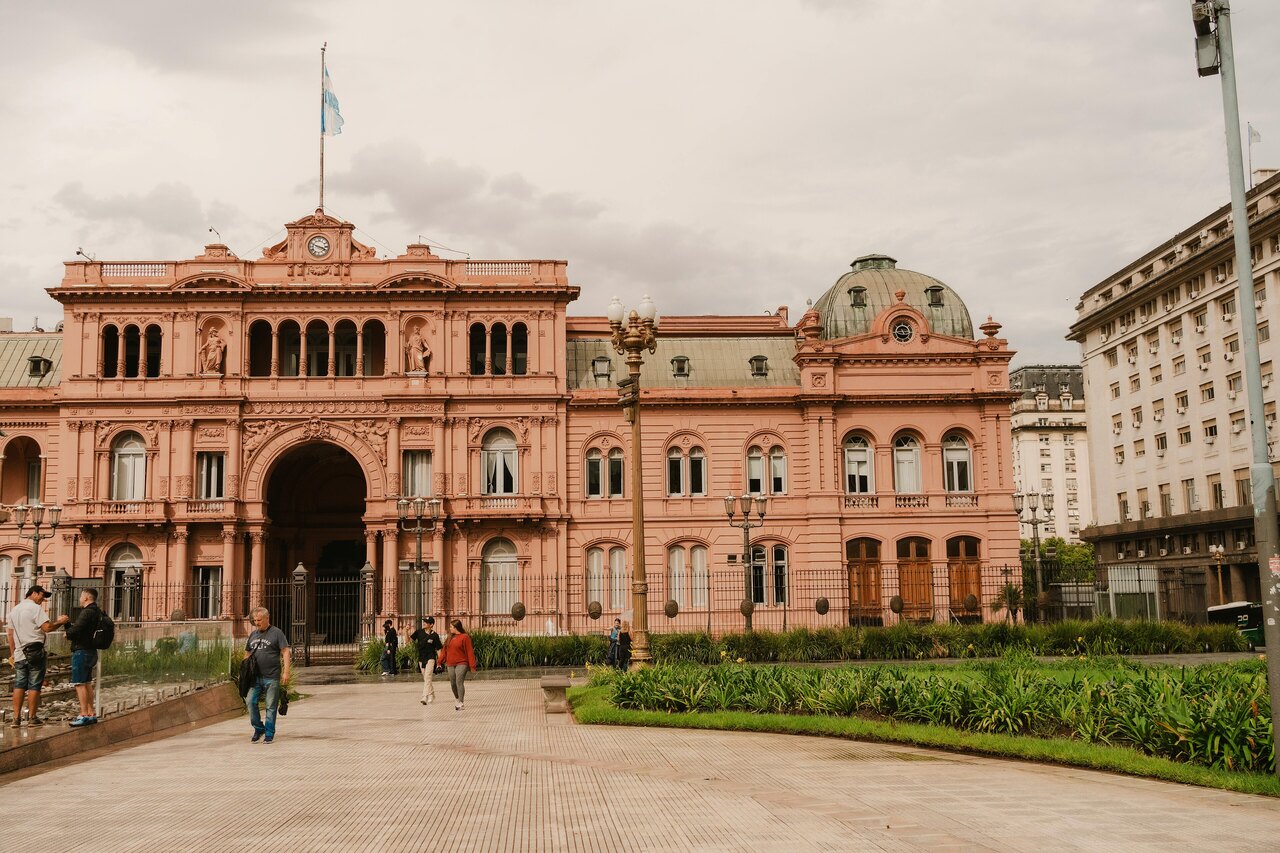
Palermo Soho
This is the city's design hub, defined by low-rise colonial buildings draped in ivy. It is eminently walkable, centering on Plaza Serrano and Plaza Armenia. You are surrounded by upscale steakhouses and independent fashion labels. It feels youthful, polished, and perpetually busy, making it the top choice for those wanting immediate access to the city’s contemporary culinary pulse.
Recoleta
Expect grand 19th-century architecture, wide boulevards, and a quiet, aristocratic atmosphere. It is comfortable for walking to the Recoleta Cemetery and the National Museum of Fine Arts. The area is refined and orderly, perfect if you want to avoid the chaos of the city center while remaining within reach of the major cultural institutions.
San Telmo
The oldest district in the city, characterized by decaying colonial mansions and narrow alleys. Walking here requires sturdy shoes for the uneven stones. The Sunday street market at Plaza Dorrego is the neighborhood's heartbeat. It feels raw and atmospheric, offering a deep dive into the city's past, far removed from the modern glass towers of newer districts.
Belgrano
Located further north, it offers a sophisticated, leafy retreat with upscale residential blocks and the tranquil Barrancas de Belgrano park. It is less frantic than the city center, feeling more like a peaceful suburb. Walkability is high within the district, and the local train line connects you quickly to the central hub for major sightseeing.
Retiro
This district acts as the city’s primary gateway, dominated by the Beaux-Arts architecture surrounding Plaza San Martín. It is walkable to the high-end shops of Calle Arroyo and the major train terminals. The area is impressive and stately, serving as a convenient, central launchpad for those who value efficiency and proximity to the city's finest international hotels.
Rent a car in Buenos Aires
Compare rental cars from local and international companies, with free cancellation on most bookings.
Compare car rentals in Buenos AiresOne thing to think about
Avoid staying directly on Avenida Corrientes if you are a light sleeper; the constant flow of traffic and late-night theater crowds create significant noise pollution. Additionally, steer clear of staying deep within the Microcentro, as it becomes sterile and empty once office hours conclude, leaving you isolated from the vibrant dining culture.
Once you have a bed
The things that sell out first in Buenos Aires are the small-group tours and the skip-the-line tickets.
Top tours & activities in Buenos Aires
Common questions
Is it easy to navigate Buenos Aires without speaking Spanish?
While many locals in tourist-heavy districts speak functional English, the city is vast and often operates exclusively in Spanish. Learning basic phrases for ordering food or using public transport is highly recommended. Download an offline map and have your destination written down, as local taxi drivers may not always communicate fluently in English.
What is the best way to travel between different neighborhoods?
The Subte (subway) is efficient for crossing the city, but it doesn't cover every corner. For short trips or late nights, use ride-sharing apps like Uber or Cabify, which are reliable and bypass the need for cash negotiation. If you prefer public buses, you must purchase a SUBE card at a kiosk, as drivers do not accept coins.
When is the best time of year to visit?
Spring (September to November) and autumn (March to May) offer the most pleasant temperatures for walking. Summers are sweltering and humid, which can make exploring the dense city streets physically exhausting. Winters are mild but gray; if you visit during winter, you can enjoy fewer crowds at popular museums and lower rates at high-end accommodations.
Hotel links go to Booking.com. If you book through them TonyPlan earns a small commission — the price you pay is exactly the same.