Home › Brussels › Where to stay
Where to stay in Brussels
Brussels radiates outward from the Grand Place, with a dense, walkable core surrounded by diverse, distinct communes. If you stay in the historic center, you trade tranquility for proximity to rail links and tourist hubs. Choosing a district depends on your tolerance for nightlife buzz versus residential quiet; while the metro is efficient, picking an area suited to your transit needs minimizes reliance on the city's sometimes frustrating evening bus connections.
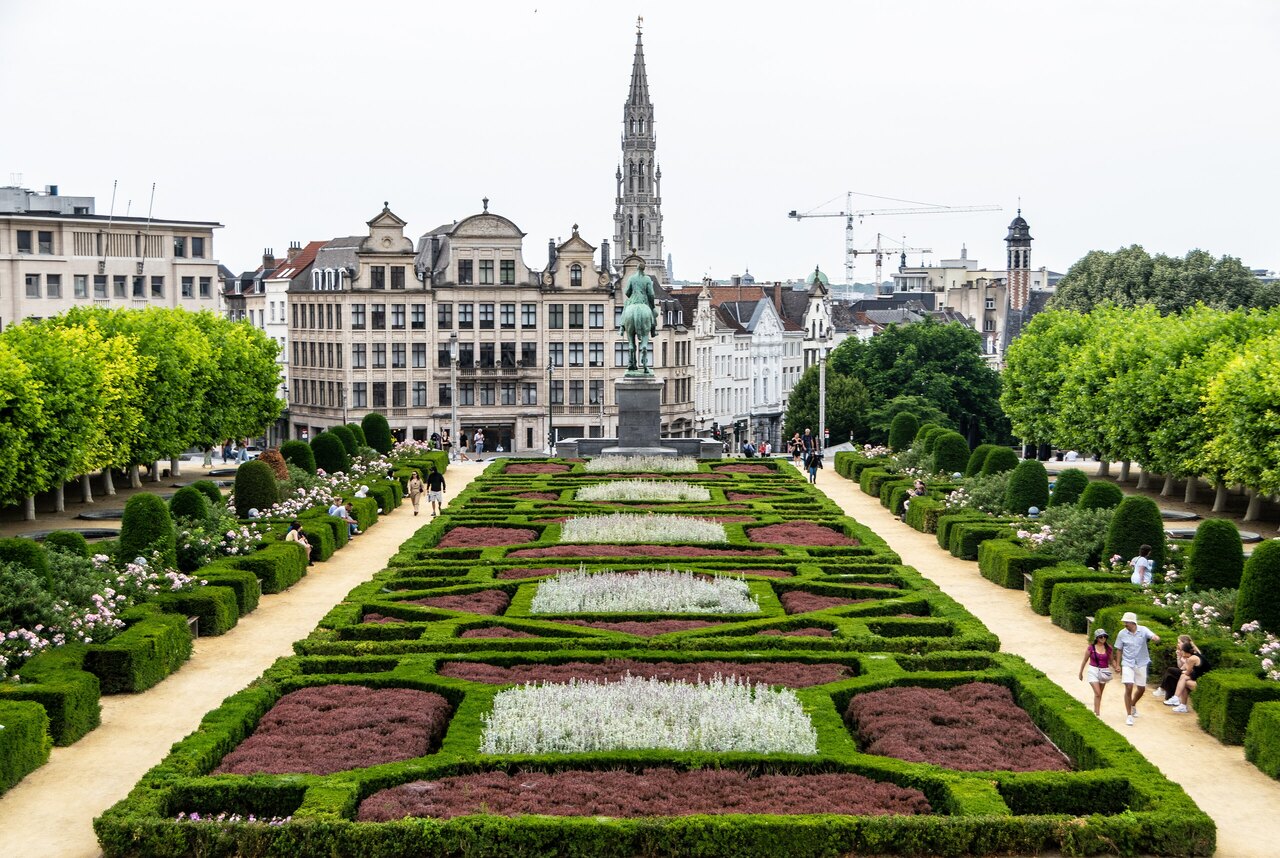
Sablon
This hilly district feels sophisticated, defined by the picturesque Place du Grand Sablon. It is highly walkable, sitting between the Royal Palace and the Marolles district. You can easily stroll to the Magritte Museum or the nearby Palais de Justice. The area is packed with high-end patisseries, refined galleries, and quiet, upscale dining options that stay open late.
Saint-Gilles
Centered around the Parvis de Saint-Gilles, this neighborhood feels local rather than tourist-centric. It is entirely walkable, with daily food markets and vibrant cafes lining the streets near the Horta Museum. You can walk to the Gare du Midi in ten minutes, making it ideal if you are arriving or departing by international high-speed rail.
European Quarter (Quartier Européen)
Dominated by the European Parliament and the Berlaymont building, this area is structured and modern. It is within walking distance of the massive Parc du Cinquantenaire and its triumphal arch. While business-heavy during the week, the area offers excellent access to the metro, allowing you to reach the historic core in under ten minutes.
Marolles
This is one of the city's oldest districts, centered around the Place du Jeu de Balle flea market. It is highly walkable, featuring narrow streets, traditional taverns, and murals. You are positioned right at the bottom of the elevator leading to the Upper Town, making sightseeing simple without needing to pay for public transport to the center.
Chatelain
This area, located in Ixelles, revolves around Place du Châtelain. It is impeccably walkable and feels like the local lifestyle hub for the city's young professionals. The streets are lined with ornate townhouses and upscale grocery stores. It lacks traditional tourist landmarks, which makes it perfect for those wanting to live like a local near the Bois de la Cambre park.
Rent a car in Brussels
Compare rental cars from local and international companies, with free cancellation on most bookings.
Compare car rentals in BrusselsOne thing to think about
Avoid booking accommodation directly on the narrow streets surrounding the Grand Place or the Bourse. These areas suffer from extreme late-night noise levels, persistent street cleaning sounds, and overpriced, mediocre dining options that cater solely to day-trippers rather than residents.
Other places to stay in Belgium: lastminute.com · Megabon
Once you have a bed
The things that sell out first in Brussels are the small-group tours and the skip-the-line tickets.
Top tours & activities in Brussels
Common questions
Do I need to rely on public transport to see the city?
The core is exceptionally walkable, but Brussels is larger than it appears. If you stay in the center, you can walk to 80% of sights. However, areas like Ixelles or Saint-Gilles require the efficient metro or tram network to reach the Grand Place quickly. Most visitors find a combination of walking and occasional tram rides sufficient.
Is the train system easy to use for day trips?
Brussels is a stellar hub for day trips. The three main stations—Central, Midi, and Nord—are connected by frequent local trains. You can reach Ghent, Bruges, or Antwerp in under an hour. Always check which station your train departs from, as some lines only stop at specific hubs rather than all three.
Should I worry about the language barrier?
Brussels is officially bilingual in French and Dutch, but French is the dominant lingua franca. Most people working in hospitality, museums, and transport speak fluent English. You will rarely encounter issues, though learning a few basic phrases in French, such as 'bonjour' or 'merci', is considered polite and appreciated by locals in shops.
Hotel links go to Booking.com. If you book through them TonyPlan earns a small commission — the price you pay is exactly the same.