Where to stay in Berlin
Berlin is a sprawling, polycentric city where the historic center lacks a singular core. Former East and West hubs remain distinct, meaning your stay defines your daily rhythm. Choose based on your primary objective: high-culture museums, late-night hedonism, or quiet residential tree-lined streets. Public transport is excellent, but because distances are vast, staying near an S-Bahn or U-Bahn junction is non-negotiable to avoid spending your entire trip commuting across the city's fragmented districts.
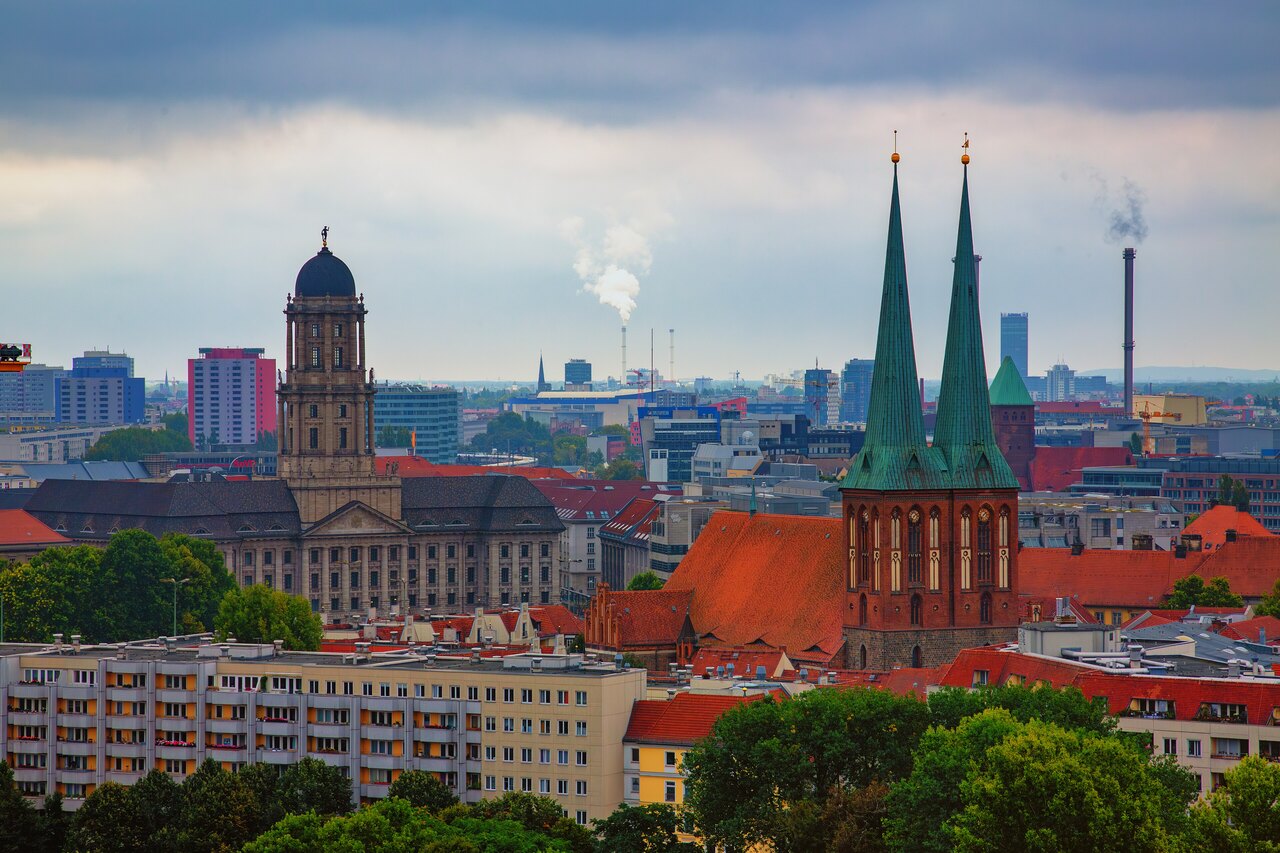
Mitte
This is the former epicenter of East Berlin, characterized by grand boulevards and heavy stone architecture. It feels polished and bustling. You are walking distance to Museum Island, the Brandenburg Gate, and Friedrichstraße. It is the most convenient base for first-timers, though it lacks the grittier, alternative edge found in neighborhoods further east.
Prenzlauer Berg
Once the heart of the GDR's bohemians, it is now impeccably renovated. The area is highly walkable, centered around Kollwitzplatz and Helmholtzplatz, where you will find local farmers' markets. The vibe is sophisticated yet relaxed, with easy access to Mauerpark for the famous Sunday flea market. It is quieter than central hubs but remains incredibly well-connected.
Kreuzberg
This district feels kinetic and slightly chaotic. It is defined by its multicultural energy and history of counter-culture movements. You are steps away from the Landwehr Canal, which serves as a communal living room, and the bustling bars of Oranienstraße. It is gritty, authentic, and maintains a distinct neighborhood identity that remains fiercely resistant to corporate gentrification.
Charlottenburg
This area offers a classical, bourgeois Berlin experience. It feels spacious and orderly, centered around the Kurfürstendamm shopping strip and the iconic Kaiser Wilhelm Memorial Church. You are walking distance to the extensive gardens of Charlottenburg Palace and the Berlin Zoo. It is significantly calmer than the eastern districts, perfect for those wanting a polished stay.
Friedrichshain
Friedrichshain is defined by brutalist architecture and its proximity to the East Side Gallery. The area is dense with bars and late-night spots, particularly around Boxhagener Platz. It feels raw and perpetually young. Being here means you are within easy walking distance of the RAW-Gelände complex, a sprawling industrial site repurposed for nightlife and arts.
Rent a car in Berlin
Compare rental cars from local and international companies, with free cancellation on most bookings.
Compare car rentals in BerlinOne thing to think about
Avoid booking accommodation directly on Alexanderplatz or near Checkpoint Charlie. These areas are massive tourist magnets devoid of local flavor, characterized by chain hotels, overpriced souvenir shops, and heavy foot traffic that can make simple navigation feel like a chore during peak hours.
Other places to stay in Germany: lastminute.com · Megabon
Once you have a bed
The things that sell out first in Berlin are the small-group tours and the skip-the-line tickets.
Top tours & activities in Berlin
Common questions
Do I need a rental car for my stay?
Absolutely not. Berlin has one of the world's best public transport systems, comprising the S-Bahn, U-Bahn, trams, and buses. Driving in the city is frustrating due to heavy traffic, limited parking, and confusing one-way streets. Stick to the BVG app for tickets and use the extensive rail network to traverse the city's vast districts efficiently.
How do I handle the city's complex ticket zones?
Berlin is divided into zones A, B, and C. For virtually all tourist activities, an AB ticket is sufficient. You only need the ABC ticket if you are traveling to Potsdam or Berlin Brandenburg Airport. Always validate your paper ticket in the yellow or red machines on the platform before boarding to avoid hefty fines.
Is English widely spoken in the hospitality sector?
Yes, English is essentially a second language in the tourism industry, cafes, and bars throughout central districts. You will encounter zero friction navigating restaurants or hotels. However, learning basic German pleasantries is seen as a sign of respect, and you may find that store staff in residential areas appreciate the effort.
Hotel links go to Booking.com. If you book through them TonyPlan earns a small commission — the price you pay is exactly the same.