Where to stay in Beirut
Beirut is a dense, vertical sprawl structured by its jagged Mediterranean coastline and the central highway artery. The city is a patchwork of distinct zones shifting abruptly from historical architecture to modern glass skyscrapers. Traffic congestion is notorious, making your chosen neighborhood critical; you must prioritize proximity to your daily interests to avoid spending hours idling in gridlocked cabs. Staying near major arteries keeps your transit options flexible.
Gemmayzeh
This area centers on the long, narrow Gouraud Street, packed with weathered colonial-era buildings housing independent bars and cafes. It feels intense and energetic at night. You can easily walk to Sursock Museum and the renovated stairs leading up toward the artsy districts. It offers a gritty, authentic urban atmosphere that stays active long after midnight.
Hamra
Hamra is the historic intellectual hub, defined by its wide avenues and the proximity to the American University of Beirut campus. It is highly walkable, filled with bustling sidewalk cafes, bookstores, and reliable grocery shops. You are within a short walk of the iconic Corniche promenade, perfect for sea-facing morning runs or evening sunset walks.
Achrafieh
This is a sprawling, elevated district characterized by residential luxury and the sprawling ABC Mall. It offers a cleaner, more organized feel than the coastal zones. You can comfortably walk to the Sursock neighborhood’s 19th-century mansions. It is a reliable base that blends modern lifestyle amenities with traditional Lebanese architecture, tucked away from the chaotic main drags.
Mar Mikhaël
Once a gritty rail area, it is now the city's premier design strip. The main road, Armenia Street, is lined with refurbished warehouses, artisan workshops, and trendy cocktail spots. It is entirely walkable, connecting seamlessly to neighboring Gemmayzeh. You are steps away from the Electricité du Liban building, a stark industrial landmark that defines the neighborhood’s raw, evolving aesthetic.
Raouché
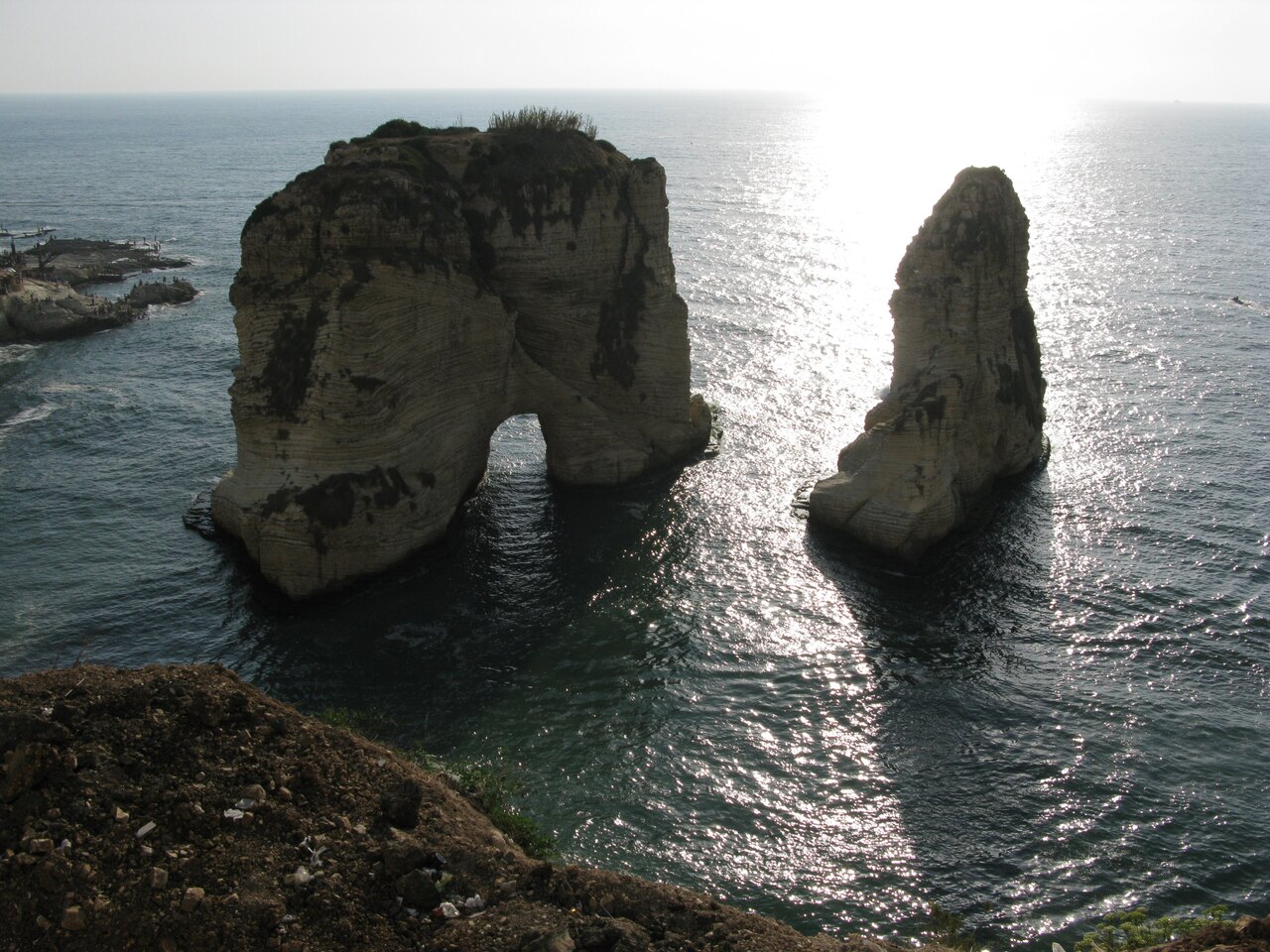
Situated on the western tip of the peninsula, this area is famous for the iconic Pigeon Rocks, which you can view from almost any coastal balcony. The atmosphere is serene and dominated by larger hotels. You can easily walk the entire Corniche stretch from here toward downtown, enjoying the salt air and the constant hum of the Mediterranean Sea.
Rent a car in Beirut
Compare rental cars from local and international companies, with free cancellation on most bookings.
Compare car rentals in BeirutOne thing to think about
Avoid staying near the direct vicinity of large, high-traffic coastal intersections like the areas immediately flanking the Martyrs' Square monument if you value sleep. These zones suffer from constant, heavy engine idling and honking well past midnight, turning your room into a loud, vibrating echo chamber throughout the night.
Once you have a bed
The things that sell out first in Beirut are the small-group tours and the skip-the-line tickets.
Top tours & activities in Beirut
Common questions
Is it easy to get around Beirut without a car?
Public transport is effectively non-existent, so you will rely on taxis or ride-sharing apps like Uber and Bolt. These are affordable and reliable. Walking is possible within your specific neighborhood, but attempting to cross between districts on foot is often thwarted by highway infrastructure and intense traffic, so use rideshares for longer cross-town journeys.
Do I need to carry cash, or are cards widely accepted?
The economy is heavily cash-based due to banking instability. While some upscale hotels and restaurants accept international credit cards, you should carry fresh US Dollars to cover most daily expenses, meals, and taxi fares. Ensure you have smaller denominations, as change is frequently difficult to obtain for larger bills at local shops.
When is the best time of year to visit?
Spring, from April to June, or autumn, from September to early November, are ideal. The weather is temperate, perfect for walking the Corniche or dining outdoors. Summer is stiflingly humid and prone to power shortages, while winter can be quite chilly and rainy, which limits your ability to explore the city’s outdoor sites on foot.
Hotel links go to Booking.com. If you book through them TonyPlan earns a small commission — the price you pay is exactly the same.