Where to stay in Austin
Austin is physically defined by the Colorado River and the north-south axis of I-35. The city is sprawling, meaning where you stay dictates your transit reliance. The urban core is surprisingly compact, but most residential districts require a car or rideshare for access to major amenities. Choosing your base hinges on whether you want high-density nightlife, local neighborhood grit, or outdoor-focused leisure near Lady Bird Lake.
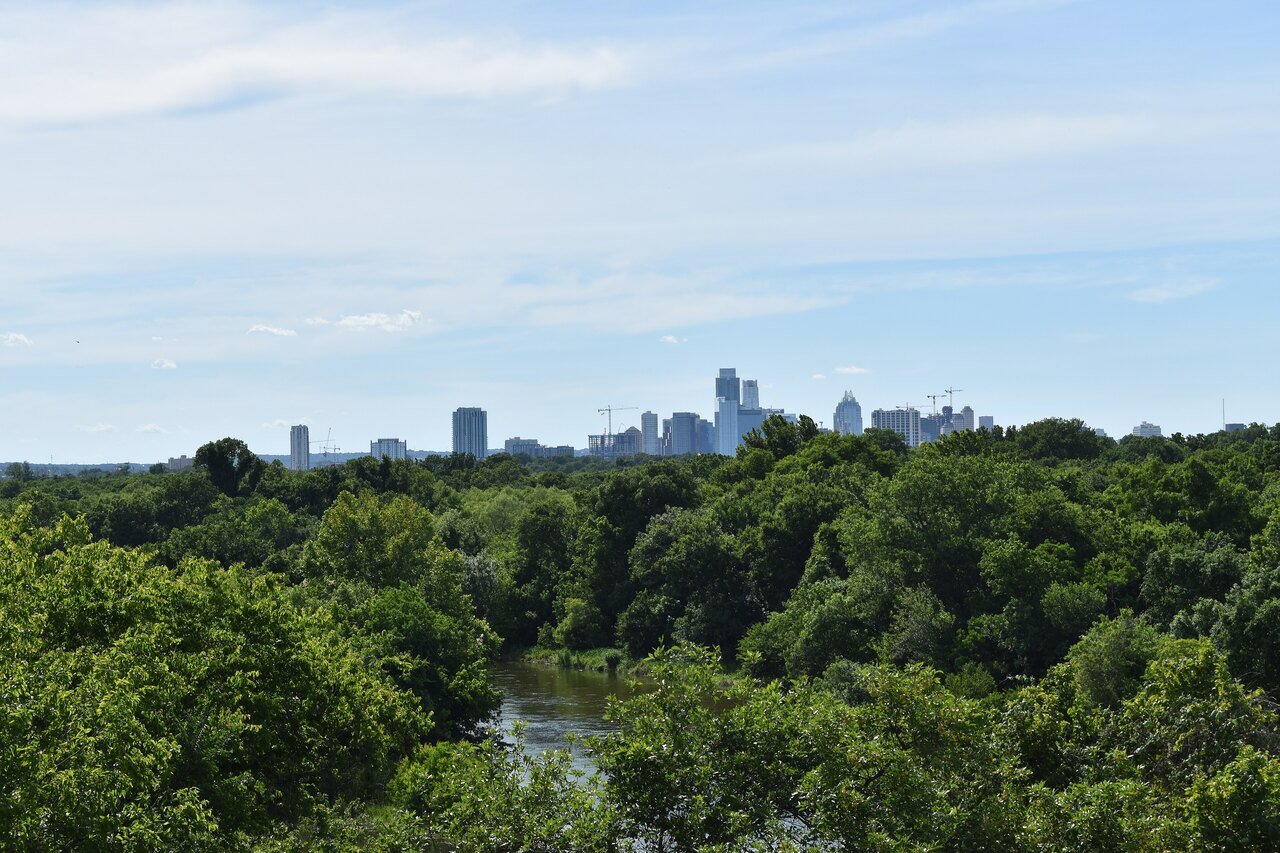
Downtown
This is the high-rise heart of Austin, centered around the pulsing neon of Sixth Street and the refined cocktail bars of the Warehouse District. It is entirely walkable, connecting you to the Lady Bird Lake Hike-and-Bike Trail and the Texas State Capitol. Expect noise, construction, and a constant stream of tourists, but you cannot beat the central transit location.
South Congress
Known locally as SoCo, this area offers a high-density mix of vintage shops, leather goods, and iconic patios like Perla’s. The street is highly walkable, stretching from the river toward the historic neighborhoods to the south. You are a short walk from the Continental Club and massive, mural-backed photo ops, making it the city's most aesthetically curated walking district.
East Austin
Centered largely around East Sixth and East 11th Streets, this area feels like the creative hub of the city. It is a dense collection of repurposed warehouses, dive bars, and food trucks. Everything is easily accessible on foot, though it feels more industrial and raw than Downtown. It is the best spot for finding small-batch roasters and local art galleries.
Clarksville
This is one of the oldest neighborhoods in Austin, characterized by tree-lined streets and bungalow-style architecture. It is tranquil but features high-end local spots like Jeffrey’s. You can walk to the scenic hike-and-bike trails or downtown in twenty minutes, offering a perfect balance between city accessibility and a peaceful night's sleep away from the music-hall chaos.
Barton Hills
This area sits right beside Barton Springs Pool and Zilker Park. It is suburban in layout with winding streets and elevated hills. While you cannot walk to downtown from here, you can walk to the city's primary natural attractions. It is ideal if your priority is morning runs, swimming, and nature trails rather than bar-hopping or live music venues.
Rent a car in Austin
Compare rental cars from local and international companies, with free cancellation on most bookings.
Compare car rentals in AustinOne thing to think about
Avoid booking accommodation strictly based on proximity to I-35. While it seems central on a map, the highway acts as a massive physical barrier that creates significant noise pollution and makes walking to nearby districts difficult. Stick to the west side of the interstate for better connectivity.
Once you have a bed
The things that sell out first in Austin are the small-group tours and the skip-the-line tickets.
Top tours & activities in Austin
Common questions
Do I need to rent a car to explore Austin properly?
If you stay downtown or in South Congress, you can manage with rideshares and electric scooters for short hops. However, if you plan to visit the outer greenbelts, Hill Country wineries, or the brewery districts further north, having a rental car is significantly more efficient and cost-effective than relying on sporadic public transit.
When is the best time of year to visit for comfortable walking?
Aim for late October through early April. Austin summers are intensely hot, with temperatures frequently exceeding 100 degrees, making extended walking nearly impossible. Spring brings bluebonnets and mild afternoons, while autumn offers cool, dry weather that is perfect for navigating the city's parks and outdoor dining patios without overheating.
Is the live music scene actually walkable or is it spread out?
While famous venues like Antone’s and the Moody Theater are concentrated downtown, the wider scene is quite spread out. You will find iconic spots in East Austin and South Congress that are not walkable from each other. Treat each neighborhood as a distinct music hub and plan to use rideshares to jump between districts.
Hotel links go to Booking.com. If you book through them TonyPlan earns a small commission — the price you pay is exactly the same.