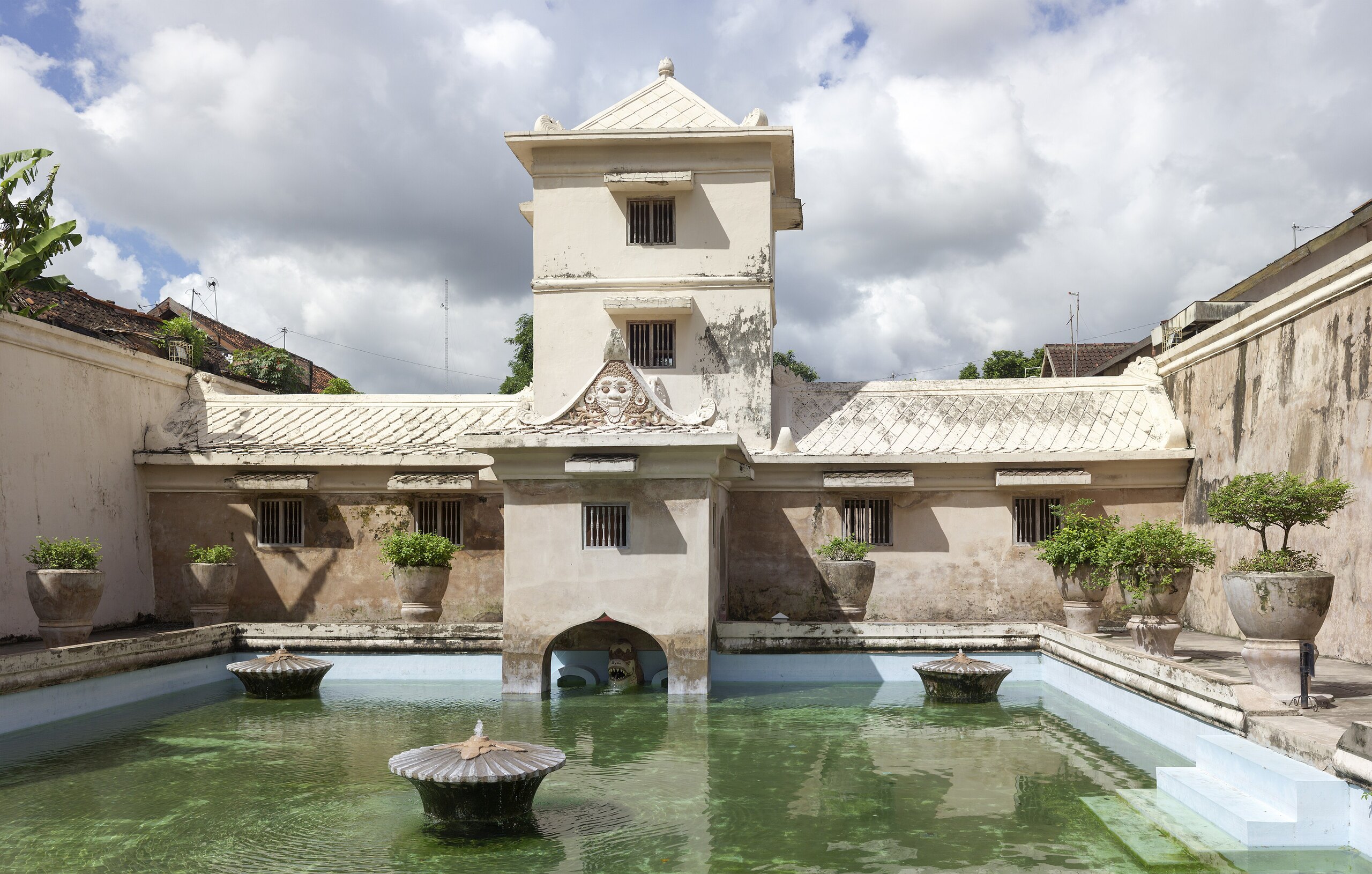
Yogyakarta

Yogyakarta: pianifica il tuo viaggio
con l'AI

Ottieni un itinerario personalizzato completo in pochi secondi. Hotel, voli, attività e gemme nascoste — tutto pianificato da Tony AI.

Pianifica il mio viaggio: Yogyakarta →

Perché visitare Yogyakarta?

Yogyakarta acts as the cultural heartbeat of Java, where the ancient world dictates the rhythm of daily life. At the epicenter sits the Kraton Ngayogyakarta Hadiningrat, an active royal palace serving as a living museum of Javanese court traditions. Just north, the 9th-century Candi Prambanan complex rises from the plains, its jagged, Hindu-style spires standing as a masterclass in monolithic stone masonry. Beneath the volcanic shadow of Mount Merapi, you can traverse the bustling lanes of Malioboro Street, where street performers and batik merchants vie for space. The city preserves a deep connection to its past, visible in the intricate subterranean passages of Taman Sari, the former royal water garden built for sultans to find respite from the tropical heat.

Culinary exploration is inseparable from the experience here, defined by the sweet, savory depth of Gudeg, a slow-cooked jackfruit stew infused with palm sugar and coconut milk. Visit a local warung near Alun-Alun Kidul at dusk to sip steaming Kopi Joss, a dark coffee served with a glowing piece of charcoal dropped directly into the glass. The city remains a bastion of traditional arts, particularly in the silver workshops of Kota Gede, where craftsmanship has been passed down through generations. It is a place for those who seek to understand the intersection of Javanese mysticism and modern Indonesian urban life.

Pianifica il tuo viaggio con Tony AI: Yogyakarta

Tony AI crea itinerari giorno per giorno personalizzati in base a budget, stile di viaggio e interessi. Basta ore di ricerca: il tuo piano perfetto in pochi secondi: Yogyakarta.

Prenota il tuo viaggio: Yogyakarta

Tutto per il tuo viaggio: Yogyakarta

Prenota voli, soggiorni, tour e altro — tutto in un unico posto

Altre opzioni: Kiwi.com · Oojo · seats.aero · Arangrant · HopeGoo · QEEQ · VIP Cars · GetTransfer · ViaToVia · Saily · Yesim · GigSky · Klook · EF Ultimate Break · EF Adventures · AirHelp Plus · CruiseDirect

Esperienze popolari a Yogyakarta

Ciò che i viaggiatori prenotano di più qui. Paghi lo stesso prezzo della prenotazione diretta.

Migliori tour e attività — Yogyakarta

Noleggia un'auto a Yogyakarta

Confronta le auto a noleggio di compagnie locali e internazionali, con cancellazione gratuita per la maggior parte delle prenotazioni.

Confronta noleggi auto a Yogyakarta
Inizia a pianificare con Tony →

Quando andare a Yogyakarta

Mesi migliori (Yogyakarta): maggio, giugno, luglio, agosto e settembre. Massime intorno ai 31°C, affollamento in alta stagione: medio, e una settimana qui: economica.

gen
29°
min 23°
28 giorni di pioggia
feb
29°
min 23°
25 giorni di pioggia
mar
30°
min 23°
28 giorni di pioggia
apr
30°
min 23°
26 giorni di pioggia
mag
31°
min 23°
19 giorni di pioggia
giu
30°
min 22°
22 giorni di pioggia
lug
30°
min 21°
12 giorni di pioggia
ago
31°
min 21°
13 giorni di pioggia
set
31°
min 22°
17 giorni di pioggia
ott
31°
min 23°
23 giorni di pioggia
nov
30°
min 23°
28 giorni di pioggia
dic
30°
min 23°
25 giorni di pioggia
Evidenziati = mesi miglioriNumero = massima media diurnaBarra = quanto piove nel mese

Temperature e giorni di pioggia misurati, non stimati: rianalisi ERA5 2021-2023, punto Yogyakarta, Special Region of Yogyakarta. Fonte: Open-Meteo.

Pianificare Yogyakarta

Quando andare: YogyakartaMese per mese, misuratoDove dormire: YogyakartaQuale zona fa per teQuanti giorni servonoCosa sta in un soggiorno breve o lungo

Yogyakarta: consigli pratici

Come arrivare, come spostarsi e quanto costa una giornata: verificato dalla nostra redazione.

Dall'aeroporto

International visitors primarily arrive at Yogyakarta International Airport YIA located in Kulon Progo. The most convenient connection to the city centre is the airport train which takes approximately forty to fifty minutes to reach the central station. Alternatively passengers can use official airport taxis or ride-hailing services which typically take about ninety minutes depending on traffic conditions. Public buses also operate between the terminal and downtown locations taking roughly two hours to complete the journey.

Come spostarsi

Getting around the city relies heavily on taxis and ride-hailing applications which are reliable and affordable. For shorter distances pedal rickshaws known as becak are common. The city has a public bus system although it can be difficult for non-residents to navigate. Walking is suitable only within specific compact historic zones as many main roads lack adequate sidewalks and have significant traffic congestion.

Dove alloggiare

  • Malioboro — Travelers seeking a central location near major markets and a high density of street life.
  • Prawirotaman — Visitors looking for a relaxed atmosphere with a high concentration of guesthouses and creative spaces.
  • Kotagede — Those interested in historical architecture silver craftsmanship and a quieter traditional residential neighborhood experience.
  • Kaliurang — Travelers wanting cooler air and a base on Merapi's slopes, an hour north of the city.

Guida completa: dove dormire (Yogyakarta) →

Quanto costa una giornata

Budget€20–30
Fascia media€40–70
Comfort€90+

A persona al giorno, voli esclusi. Un'indicazione di massima, non un preventivo.

Soldi e mance

The currency is the Indonesian Rupiah IDR. Cash is essential for markets street food and small local vendors. While major establishments accept credit and debit cards smaller businesses remain cash-based. Tipping is not mandatory but rounding up the bill or leaving a small amount is appreciated for good service in formal restaurants.

Altre domande: Yogyakarta

How many days do you need in Yogyakarta?

Three to four days are generally sufficient to explore the primary cultural highlights. This duration allows for visits to the major temples of Borobudur and Prambanan plus time to wander through the city center palaces and craft workshops. Extending your stay to five days provides a more relaxed pace for visiting nearby natural attractions or rural villages.

Yogyakarta: è sicuro per i turisti?

Yogyakarta is considered a safe destination for international tourists with a friendly local population. Petty theft can occur in crowded markets so remain vigilant with personal belongings. Violent crime is extremely rare. As with any major city practice common sense, avoid poorly lit areas at night and use reputable taxi services or trusted mobile ride-hailing applications for transit.

L’inglese è molto parlato? (Yogyakarta)

English is spoken by staff in the tourism industry, hotels, and larger cafes. However, in local markets, small shops, and public transportation, English proficiency is often limited. Learning a few basic phrases in Indonesian will significantly enhance your interactions and help navigate daily situations. Most signage in historical sites is provided in both Indonesian and English for convenience.

Si può bere l’acqua del rubinetto? (Yogyakarta)

You should never drink tap water in Yogyakarta. It is not processed for human consumption and can lead to serious digestive illnesses. Always rely on bottled mineral water or use filtered water provided by reputable accommodations. When eating out, ensure that ice cubes are of the commercial variety, which are typically safe, and avoid raw vegetables washed in local water.

Quali sono le migliori gite in giornata? (Yogyakarta)

The most essential day trips are the UNESCO World Heritage temple complexes of Borobudur and Prambanan. Both are architecturally distinct and historically significant. Other rewarding excursions include the volcanic slopes of Mount Merapi for scenic views, the rugged southern beaches like Parangtritis for unique coastal landscapes, or the Jomblang Cave system for those interested in subterranean natural adventures.

Yogyakarta — domande frequenti

Qual è il periodo migliore per visitare Yogyakarta?

Mesi migliori (Yogyakarta): maggio, giugno, luglio, agosto e settembre. Massime intorno ai 31°C, affollamento in alta stagione: medio, e una settimana qui: economica.

Che tempo fa a Yogyakarta?

Mese più caldo: maggio, con massime intorno ai 31°C. Il più fresco: gennaio, circa 29°C di giorno e 23°C di notte. Il più piovoso: gennaio, con circa 28 giorni di pioggia. Medie misurate, non stime.

Yogyakarta: per cosa è famoso?

Yogyakarta: famoso soprattutto per la cultura, la storia, il cibo, l'architettura e l'avventura. Ciò che attira i visitatori: Kraton, Candi Prambanan, Taman Sari, Borobudur, Mount Merapi.

Yogyakarta: per chi è ideale?

Yogyakarta è particolarmente adatto a: chi ci va per la prima volta, chi viaggia da solo, gruppi di amici e backpacker. Si basa su ciò che c’è da fare, non su chi prenota di più.

Cosa si può prenotare in anticipo a Yogyakarta?

Le esperienze che si esauriscono per prime sono food tour, corsi di cucina, gite di un giorno, biglietti salta-fila, tour a piedi e tour serali. Puoi controllare disponibilità e prezzi sui nostri partner di prenotazione qui sotto: paghi lo stesso che prenotando direttamente.

Do I need a visa for Indonesia?

Dipende dal tuo passaporto e da quanto tempo resti, quindi non esiste una risposta unica. TonyPlan ha uno strumento per visti e requisiti d'ingresso: inserisci la tua nazionalità e ti dice cosa vale per te.

Ricevi la guida in PDF: Yogyakarta

Perché andarci, i mesi migliori con temperature reali misurate, in quale zona alloggiare e quanto costano i voli in questo momento: tutto in un unico file da leggere in aereo. Gratis.

Ti invieremo anche nuove guide e itinerari man mano che li pubblichiamo. Nessuna cadenza fissa, e puoi disiscriverti da qualsiasi email.

Stai pianificando Yogyakarta?

Periodo miglioreÈ caro?Con budget ridottoÈ sicuro?Quanti giorni

Strumenti gratuiti per il tuo viaggio: Yogyakarta

Calcola il budgetLista bagagliDurata del volo e jet lagConto alla rovescia per il viaggio

Raggiungere i luoghi vicini

Verso Giacarta (treno)