Home › Food tours › Kyoto
Food tours in Kyoto: what to eat and which tour to book
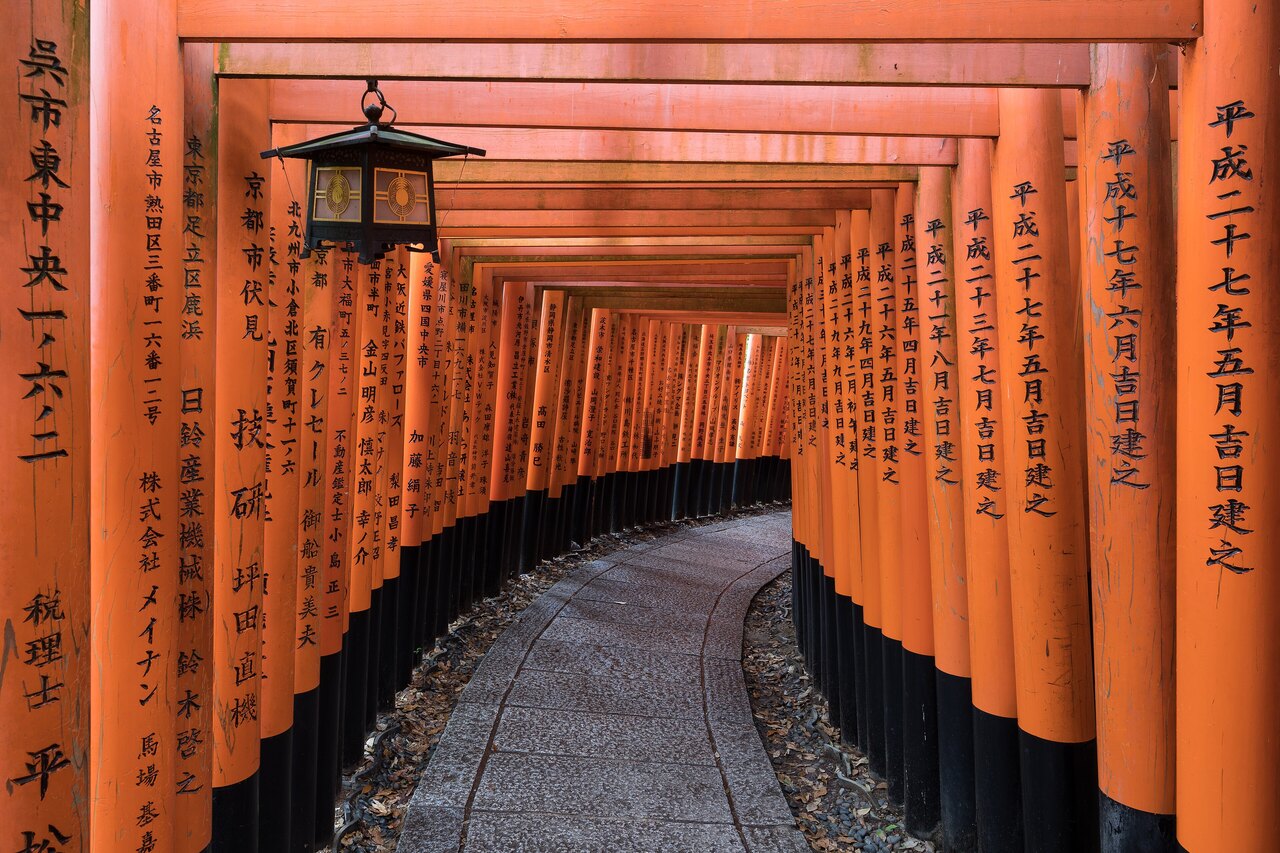
Kyoto cooking grew up far from the sea and around temples and the imperial court, so it is built on vegetables, tofu, yuba (soy milk skin), pickles, preserved fish and a light, clear dashi. The high end is kaiseki, a seasonal sequence of small courses; the everyday end is obanzai, home-style dishes served from bowls on the counter of small restaurants. On top of that come wagashi sweets made for the tea ceremony, matcha from nearby Uji, sake from the Fushimi breweries and a strong local ramen culture that has nothing delicate about it.
Use this page to plan where to eat: the dishes and areas below explain what to order, which streets are worth it and when they are open. The tours listed are real GetYourGuide listings, with prices as seen when we checked; confirm current details on the booking page before you pay.
What to eat in Kyoto
| Dish | What it is | Where to eat it | Typical price* |
|---|---|---|---|
| Home-style Kyoto dishes おばんざい obanzai | Small plates of simmered vegetables, tofu, fish and pickles, laid out in bowls on the counter; you point or order a set. | Small restaurants around Shijo, Nishiki and Pontocho; often sold as a lunch set. | roughly ¥1,200–2,500 (about €7–15) for a lunch set |
| Simmered tofu 湯豆腐 yudofu | Blocks of soft tofu warmed in a kombu broth and dipped in soy-based sauce; a temple dish, best in cold months. | Restaurants near Nanzenji and in Arashiyama around Tenryuji. | roughly ¥2,500–4,500 (about €15–27) for a set meal |
| Soy milk skin 湯葉 yuba | The skin lifted from heated soy milk, eaten fresh with soy sauce, or dried and simmered. A Kyoto speciality. | Yuba restaurants and shops on Nishiki Market; also in temple-area restaurants. | about ¥300–800 for a tasting at Nishiki; ¥2,000–4,000 for a yuba set meal |
| Kyoto multi-course meal 京懐石 kyo-kaiseki | A seasonal sequence of small courses (appetiser, sashimi, simmered, grilled, rice) where presentation and season matter as much as taste. | Ryotei and kaiseki restaurants in Gion, Higashiyama and Pontocho. Lunch is much cheaper than dinner. | roughly ¥5,000–10,000 (about €30–60) at lunch; ¥15,000–40,000+ at dinner |
| Herring soba にしんそば nishin soba | Hot buckwheat noodles topped with a sweet-simmered fillet of dried herring; a Kyoto invention from the 19th century. | Soba shops around Gion and Shijo-Kawabata. | roughly ¥1,300–1,800 (about €8–11) |
| Mackerel pressed sushi 鯖寿司 saba-zushi | Cured mackerel pressed onto rice and wrapped in kombu; from when fish came to Kyoto overland from the Sea of Japan coast. | Sushi shops in Gion and department-store food halls (depachika) such as the ones on Shijo. | roughly ¥2,000–5,000 (about €12–30) for a roll; half rolls are sold |
| Kyoto ramen 京都ラーメン | Despite the city's delicate reputation, local ramen is often rich: thick chicken-and-pork broth or dark soy broth with back fat. | Ichijoji ramen street in north-east Kyoto, and shops around Kyoto Station. | about ¥900–1,400 (about €5.50–8.50) a bowl |
| Matcha and Japanese sweets 抹茶・和菓子 matcha, wagashi | Whisked green tea from Uji with seasonal sweets of bean paste and rice; also yatsuhashi (cinnamon rice-dough sweets) and warabi-mochi. | Teahouses in Higashiyama and Gion, Uji town (20–30 minutes by train), sweet shops on Nishiki. | roughly ¥800–1,500 (about €5–9) for matcha with a sweet |
Where to eat: markets and neighbourhoods
Nishiki Market
Covered 400 m arcade of about 130 shops between Teramachi and Takakura streets, known as 'Kyoto's kitchen': pickles, tofu and yuba, dried fish, knives, sweets and small tasting snacks. Very crowded; the market asks visitors not to eat while walking, so eat at or beside the stall.
Pontocho
Narrow lane between Kiyamachi and the Kamo River, lined with restaurants from yakitori to kaiseki; in summer many set up riverside platforms (yuka/noryo-yuka).
Gion and Hanamikoji
Geisha district with teahouses, kaiseki restaurants and sweet shops. Some private lanes now ban photography and entry; respect signs.
Ichijoji ramen street
Stretch of Higashioji Street in north-east Kyoto with many competing ramen shops; where locals go for ramen.
Fushimi sake district
Brewery district south of the centre, near Fushimi Inari, with old warehouses along the canal, a sake museum and tasting rooms.
Demachi Masugata shopping street
Local covered shopping street near Demachiyanagi with everyday food shops, and Demachi Futaba, a long-running shop for mame-mochi (bean rice cakes).
Food tours in Kyoto compared
Every tour below is a real listing on GetYourGuide or Viator, checked on 2 Oct 2026. Prices move with season and group size, so treat them as a guide and confirm on the booking page.
| Tour | Length | Price* | Group | Best for | |
|---|---|---|---|---|---|
| Kyoto: Ramen, Gyoza, and Onigiri Cooking Class | 1.5 hours | from €86 per person | max 8 | Travellers who want to cook the dishes again at home; easiest option for dietary needs, since you control the ingredients. | Check dates |
| Kyoto: Japanese Washoku Bento Small Group Cooking Class | 2.5 hours | from €53 per person | max 5 | Travellers who want to cook the dishes again at home; easiest option for dietary needs, since you control the ingredients. | Check dates |
| Kyoto: Afternoon Japanese Izakaya Cooking Class | 3 hours | from €62 per person | — | Travellers who want to cook the dishes again at home; easiest option for dietary needs, since you control the ingredients. | Check dates |
| Kyoto: Nishiki Market Food & Culture Tour with Izakaya Lunch | 3 hours | from €76 per person | max 6 | Morning people who want to see where locals shop and taste produce at the source. | Check dates |
| Kyoto: Nishiki Market and Depachika Food Tour with a Local | 2 hours | from €37 per person | — | Morning people who want to see where locals shop and taste produce at the source. | Check dates |
| Kyoto Evening Gion Food Tour | 3 hours | from €189 per person | max 10 | Evening eaters who want dinner and drinks rolled into one, plus the city after dark. | Check dates |
Kyoto: Ramen, Gyoza, and Onigiri Cooking Class
On GetYourGuide · run by Friendship Adventures Co., ltd
- Length
- 1.5 hours
- Price
- from €86 per person
- Rating
- 4.9 ★ from 637 reviews (on 2 Oct 2026)
- Group size
- max 8
- Included
- English-speaking instructors All cooking ingredients and equipment The food you make Recipes for Ramen and Gyoza Free coffee and tea Vegan /Pescatarian / Gluten-Free options
- Suits
- Travellers who want to cook the dishes again at home; easiest option for dietary needs, since you control the ingredients.
- Starts
- Manryo Japanese Cooking Class
Kyoto: Japanese Washoku Bento Small Group Cooking Class
On GetYourGuide · run by Meetup Kyoto
- Length
- 2.5 hours
- Price
- from €53 per person
- Rating
- 4.9 ★ from 465 reviews (on 2 Oct 2026)
- Group size
- max 5
- Included
- Instructor Cooking class Ingredients 4 dishes Aprons and other equipment
- Suits
- Travellers who want to cook the dishes again at home; easiest option for dietary needs, since you control the ingredients.
- Starts
- Make your way to Kyoto Laundry Cafe. This cafe will serve as a meeting point.This cooking class is held near Saiin station (Hankyu Railway). The cafe address is five minutes away from the station. Please do not use Map on instagram, use Google maps.
Kyoto: Afternoon Japanese Izakaya Cooking Class
On GetYourGuide · run by Cooking Sun
- Length
- 3 hours
- Price
- from €62 per person
- Rating
- 4.9 ★ from 292 reviews (on 2 Oct 2026)
- Included
- Cooking class Ingredients 2-3 dishes Apron and utensils
- Suits
- Travellers who want to cook the dishes again at home; easiest option for dietary needs, since you control the ingredients.
- Starts
- 679 Funayachō, Shimogyō-ku, Kyoto, 600-8466, Japan
Kyoto: Nishiki Market Food & Culture Tour with Izakaya Lunch
On GetYourGuide · run by Japan Wonder Travel
- Length
- 3 hours
- Price
- from €76 per person
- Rating
- 4.7 ★ from 151 reviews (on 2 Oct 2026)
- Group size
- max 6
- Suits
- Morning people who want to see where locals shop and taste produce at the source.
- Starts
- 四條東洞院内裏跡
Kyoto: Nishiki Market and Depachika Food Tour with a Local
On GetYourGuide · run by TripGuru Japan
- Length
- 2 hours
- Price
- from €37 per person
- Rating
- 4.5 ★ from 86 reviews (on 2 Oct 2026)
- Included
- English-speaking tour guide Food tour Food-tasting items (yuba sashimi (tofu skin) + soy milk donut, Nishiki Gyoza and Uoriki tempura hamo fish) Hotel pick up and drop off Additional food and drinks Personal expenses
- Suits
- Morning people who want to see where locals shop and taste produce at the source.
- Starts
- Meeting Point: Apple Kyoto. Your guide will be waiting for you at the meeting point wearing a TripGuru shirt or holding a TripGuru sign.
Kyoto Evening Gion Food Tour
On GetYourGuide · run by Arigato Travel KK
- Length
- 3 hours
- Price
- from €189 per person
- Rating
- 4.4 ★ from 36 reviews (on 2 Oct 2026)
- Group size
- max 10
- Included
- Local English-speaking Guide 10-course dinner Dessert One drink Hotel pickup (can be arranged for an additional charge) Gratuities Transportation costs Additional drinks or food
- Suits
- Evening eaters who want dinner and drinks rolled into one, plus the city after dark.
- Starts
- In front of Japan Kanji Museum & Library. Address: Gionmachi Minamigawa, Higashiyama Ward, Kyoto, Kyoto Prefecture 605-0074, Japan. Your guide will be there holding a sign. The guide will wait no more than 5 minutes after the starting time before the tour departs.
Some links on this page are partner links. If you book through them TonyPlan earns a small commission — the price you pay is exactly the same.
Street food, sit-down or a cooking class?
Street food
Kyoto has little street food in the strict sense. Snacking happens at Nishiki Market, around temple approaches (Kiyomizu, Fushimi Inari) and at festivals. Eating while walking is frowned on in Nishiki and parts of Higashiyama; stand by the stall to finish.
Sit-down meals
Sit-down eating is where Kyoto is strongest, from counter obanzai places to kaiseki. Lunch sets are the best value. Many restaurants are small, fill up quickly, close one day a week and take reservations only by phone or through booking sites; book dinner several days ahead, especially in cherry-blossom and autumn-leaf seasons.
Cooking classes
Classes in Kyoto usually teach home cooking (dashi, tamagoyaki, miso soup, rolled sushi) or wagashi making, and tea ceremonies are often sold alongside them. They are small, short (2–3 hours) and good on rainy days. Ask whether dashi is made with bonito if you are vegetarian.
How much to budget for food
| Style | Per person, per day* |
|---|---|
| Budget (street food, markets) | ¥3,500–5,000 (about €21–30): convenience-store or bakery breakfast, ramen or soba lunch, set-meal dinner |
| Mid-range (one sit-down meal a day) | ¥8,000–15,000 (about €48–90): obanzai lunch, izakaya or yakitori dinner with drinks |
| Splurge (tasting menus, wine) | ¥30,000+ (about €180+): kaiseki dinner |
Vegetarian, halal and gluten-free
Vegetarian & vegan: Better than most of Japan thanks to shojin ryori, the Buddhist temple cuisine, served at temples such as Tenryuji and in restaurants around Daitokuji and Arashiyama. Elsewhere, dashi made with bonito flakes is in almost everything, including miso soup, tofu dishes and noodle broths, so 'vegetable' dishes are often not vegetarian.
Halal: Limited but growing: a few halal-certified restaurants and Muslim-friendly ramen shops exist around Kyoto Station and the centre, and the city has published Muslim-friendly guides. Watch for pork, lard and mirin or sake (alcohol) in sauces.
Gluten-free: Hard. Soy sauce contains wheat and is in most dishes, as are many miso types and ramen and udon noodles. Juwari (100% buckwheat) soba exists but is cooked in shared water. Carry a Japanese-language card and consider bringing gluten-free tamari.
Food scams and tourist traps to avoid
- Overpriced skewers at Nishiki Market: wagyu, sea urchin or crab skewers at ¥1,500–4,000 that are mostly about the photo. Check the price tag before ordering, and spend your money on the traditional shops (pickles, tofu, yuba, tamagoyaki) instead.
- Touts around Kiyamachi and Shijo-Kawaramachi steering visitors into bars with seat charges and expensive drinks. Do not follow street touts; choose places yourself and ask about cover or seat charges (otoshi or table charge) before sitting.
- Surprise bills at kaiseki and riverside platform restaurants in Pontocho, where dinner sets, drinks and a service charge add up fast. Book a fixed-price set in advance, ask whether service (often around 10%) and tax are included, and check drink prices.
- Temple-area restaurants near Kiyomizu-dera and Arashiyama's bamboo grove selling average food at high prices to day-trippers. Eat a few streets away or before you reach the main approach; lunch sets in residential areas are cheaper and better.
Top tours & activities in Kyoto
Rent a car in Kyoto
Compare rental cars from local and international companies, with free cancellation on most bookings.
Compare car rentals in KyotoPlan the rest of your Kyoto trip
Staying near the markets saves time and taxi money — most food tours start in the old centre.
Common questions
Do I need to tip in Kyoto?
No. Tipping is not part of Japanese culture and can cause confusion. Some higher-end restaurants and ryokan add a service charge of around 10%. Many izakaya add a small seat charge (otoshi) with a starter dish. On food tours, tips are not expected, though some guides used to foreign visitors accept them.
When is Nishiki Market open?
Most shops open around 10:00 and close between 17:00 and 18:00, and individual shops have their own closing days, commonly Wednesday or Sunday. Go close to opening on a weekday for space to move; by midday at weekends the arcade is packed. Check current hours, as they vary shop by shop.
Should I book restaurants in advance?
For kaiseki, popular sushi or any well-known dinner spot, yes, often a week or more ahead in spring and autumn. Many small places take bookings only by phone or through Japanese booking sites, so a hotel concierge can help. Ramen shops and casual places work on queues instead.
How much should I budget for food per day?
On a budget, about ¥3,500–5,000 (roughly €21–30) covers a simple breakfast, a bowl of ramen or soba and a set-meal dinner. A comfortable day with an obanzai lunch and an izakaya dinner with drinks is around ¥8,000–15,000. Kaiseki dinners start around ¥15,000 and go far higher.
Can vegetarians eat well in Kyoto?
More easily than in most Japanese cities. Shojin ryori, the Buddhist temple cuisine, is fully plant-based and served in temples and specialist restaurants. Tofu and yuba restaurants are another option, though their broths may still contain fish stock. Outside these places, assume dashi is made from bonito unless told otherwise.
What is the best season for food in Kyoto?
Each season has its dishes: bamboo shoots in spring, pike conger (hamo) and riverside dining in summer, matsutake mushrooms and chestnuts in autumn, and yudofu and hot pots in winter. Spring and autumn are also the busiest months, so book further ahead; winter is quieter and good for warm dishes.
* Prices are approximate, gathered on 2 Oct 2026 from menus, markets and the booking pages linked above. They change with season and exchange rates.