Home › Food tours › Dubai
Food tours in Dubai: what to eat and which tour to book
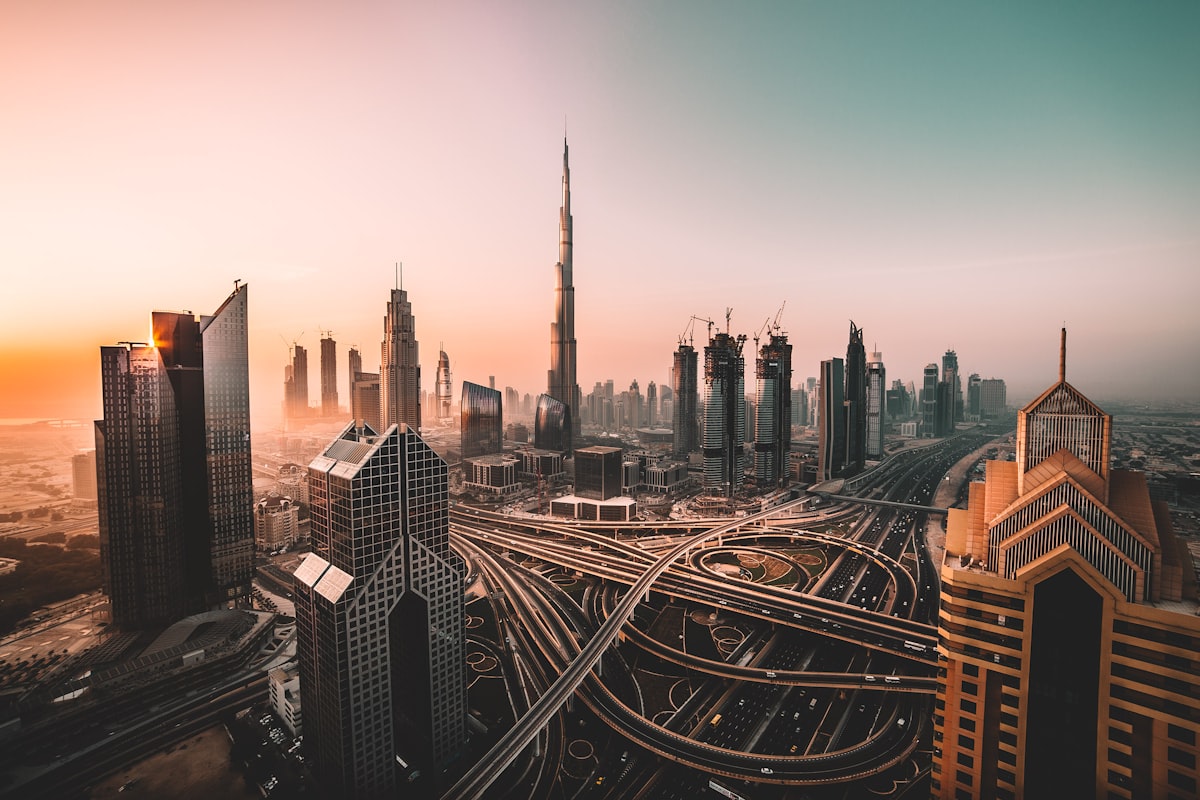
Most people in Dubai come from somewhere else, and the food shows it. The best cheap eating is in the older districts along Dubai Creek — Deira, Bur Dubai, Karama and Satwa — where Indian, Pakistani, Iranian, Lebanese, Syrian, Filipino and Emirati places have fed the city's workers for decades. Shawarma, karak chai, biryani, Lebanese manakish and Iranian kebabs are everyday food here. Emirati cooking itself — machboos, harees, luqaimat, the breakfast breads chebab and regag — is less visible but easy to find if you know where to look. Malls, hotels and Downtown are where prices climb fastest.
Use this page to decide what to order and where. The dishes and areas below say what each place does well and when to go. The tours are real GetYourGuide listings, with prices as seen when we checked; prices change, so confirm on the booking page before you pay.
What to eat in Dubai
| Dish | What it is | Where to eat it | Typical price* |
|---|---|---|---|
| Shawarma شاورما (shawarma) | Chicken or beef shaved from a vertical spit and wrapped in thin Arabic bread with garlic sauce (toum), pickles and fries. The city's standard quick meal. | Cafeterias on Al Dhiyafah Street in Satwa, Al Rigga in Deira and neighbourhood shops everywhere. | roughly AED 8–20 a wrap (about €2–5) in a cafeteria |
| Spiced rice with meat or fish مجبوس (machboos) | Emirati rice cooked with dried lime (loomi), baharat spices and chicken, lamb or fish, often served with a tomato-based sauce and fried onions. Close relative of the Gulf kabsa. | Emirati restaurants in Al Fahidi Historical Neighbourhood, Jumeirah and Deira. | roughly AED 45–90 a plate in an Emirati restaurant |
| Wheat and meat porridge هريس (harees) | Wheat and meat (usually lamb or chicken) cooked for hours and beaten into a smooth porridge, finished with ghee. Traditional during Ramadan and at weddings. | Emirati restaurants, and widely served during Ramadan. | roughly AED 30–60 a bowl |
| Sweet dumplings لقيمات (luqaimat) | Small deep-fried dough balls, crisp outside and soft inside, drizzled with date syrup (dibs) and sesame seeds. | Emirati cafés, festivals and markets; often made fresh at stands. | roughly AED 15–30 a portion |
| Emirati breakfast خمير، جباب، رقاق، بلاليط (khameer, chebab, regag, balaleet) | Khameer is a soft date-and-saffron bread; chebab is a cardamom pancake served with date syrup and cheese; regag is a paper-thin crisp bread with egg or cheese; balaleet is sweet saffron vermicelli topped with an omelette. | Emirati cafés in Al Fahidi and Jumeirah; regag is also made at stands at markets and festivals. | roughly AED 40–90 for a shared breakfast per person |
| Spiced milk tea كرك (karak chai) | Black tea boiled with evaporated milk, sugar and cardamom, sold in small paper cups. Often bought from your car window at roadside cafeterias. | Cafeterias everywhere, especially in Satwa, Karama and Deira. | about AED 1–3 a cup in a cafeteria; much more in a café chain |
| Biryani and South Asian curries biryani, nihari, karahi | Layered rice and meat (biryani), slow-cooked beef stew (nihari) and wok-cooked karahi from the Indian and Pakistani restaurants that make up a large part of the city's eating. | Karama, Meena Bazaar in Bur Dubai, Al Satwa and Deira. | roughly AED 15–35 a plate in a simple restaurant |
| Grilled fish from the market hammour, sherry, kingfish | Local fish such as hammour (grouper) and sherry (emperor), bought by weight and grilled or fried at restaurants next to the fish market. | Waterfront Market in Deira, where you buy fish at the counters and have it cooked nearby. | roughly AED 30–80 per kilo of fish plus a cooking fee — check current prices |
Where to eat: markets and neighbourhoods
Al Fahidi Historical Neighbourhood (Bastakiya), Bur Dubai
Restored old district of wind-tower houses by the Creek, with Emirati cafés serving breakfast, machboos and luqaimat, and the cultural centre that runs Emirati meals with an explanation of local customs.
Deira Spice Souk and Creek
The old trading quarter across the Creek, reached by abra (water taxi) from Bur Dubai. Sacks of spices, dried lemons, saffron, dates and nuts, plus cheap cafeterias in the lanes around it.
Waterfront Market, Deira
Modern market that replaced the old Deira fish market, with fish, meat, fruit and vegetable halls and restaurants that cook the fish you buy.
Karama
Residential district with dense blocks of South Asian, Filipino and Kerala restaurants, many of them cheap and very good.
Satwa and Al Dhiyafah Street
Older neighbourhood with long-running Pakistani, Lebanese and Iranian cafeterias, shawarma counters and juice shops along Al Dhiyafah and the streets behind it.
Al Rigga and Al Muraqqabat, Deira
Busy streets of Lebanese, Syrian, Iraqi and Iranian restaurants, shawarma shops and juice bars close to the Union metro station.
Food tours in Dubai compared
Every tour below is a real listing on GetYourGuide or Viator, checked on 2 Oct 2026. Prices move with season and group size, so treat them as a guide and confirm on the booking page.
| Tour | Length | Price* | Group | Best for | |
|---|---|---|---|---|---|
| Dubai: Premium Old Town, Street Food, Souks & Boat Ride Tour | 4 hours | from €170 per person | private | Couples, families or friends who want the route and pace set around them. | Check dates |
| Old Dubai Guided Tour With Photographer: Souks & Street Food | 3 hours | from €16 per person | max 10 | Morning people who want to see where locals shop and taste produce at the source. | Check dates |
| Dubai: Half-Day Street Food Tour | 4 hours | from €168 per person | — | First-timers on a budget who want to try many cheap dishes in one go. | Check dates |
| Dubai Food Tour: 4 Cuisines, Souks & Street Bites | 3 - 4 hours | from €52 per person | — | Morning people who want to see where locals shop and taste produce at the source. | Check dates |
Dubai: Premium Old Town, Street Food, Souks & Boat Ride Tour
On GetYourGuide · run by MAGIC LAMP TOURISM L.L.C
- Length
- 4 hours
- Price
- from €170 per person
- Rating
- 4.9 ★ from 265 reviews (on 2 Oct 2026)
- Group size
- private
- Suits
- Couples, families or friends who want the route and pace set around them.
Old Dubai Guided Tour With Photographer: Souks & Street Food
On GetYourGuide · run by ToursGuys.com
- Length
- 3 hours
- Price
- from €16 per person
- Rating
- 4.9 ★ from 79 reviews (on 2 Oct 2026)
- Group size
- max 10
- Included
- Guide Al Khayma Heritage House entry Visit to Gold Souk Visit to Spice Souk Photo stop at the Old Wall of Dubai Photo stop at Al Seef Mosque Abra water taxi ride Arabic tea or coffee Dates Snacks Street food (if optio…
- Suits
- Morning people who want to see where locals shop and taste produce at the source.
- Starts
- Meet at Al Khayma Heritage Restaurant, Al Fahidi
Dubai: Half-Day Street Food Tour
On GetYourGuide · run by Travtur Tourism L.L.C
- Length
- 4 hours
- Price
- from €168 per person
- Rating
- 5.0 ★ from 8 reviews (on 2 Oct 2026)
- Included
- Bottled water Food tasting while walking 3-course dinner in three different locations Professional licensed guide Gratuities (optional)
- Suits
- First-timers on a budget who want to try many cheap dishes in one go.
Dubai Food Tour: 4 Cuisines, Souks & Street Bites
On GetYourGuide · run by OceanAir Travels
- Length
- 3 - 4 hours
- Price
- from €52 per person
- Rating
- 4.0 ★ from 5 reviews (on 2 Oct 2026)
- Included
- Tastings of Lebanese, Iranian, Emirati, and street food Arabic coffee, karak tea, and traditional sweets Entry to Al Khayma Heritage Restaurant Entry to Kabab Al Ustad Restaurant Guided walk through Gold and Spice Sou…
- Suits
- Morning people who want to see where locals shop and taste produce at the source.
- Starts
- Meet your guide at the Sharaf DG Metro Station, Exit 1
Some links on this page are partner links. If you book through them TonyPlan earns a small commission — the price you pay is exactly the same.
Street food, sit-down or a cooking class?
Street food
Dubai does not have street stalls in the usual sense; its 'street food' comes from cafeterias with counters opening onto the pavement — shawarma, karak chai, paratha rolls, fresh juice. They are clean, cheap and open late, especially in Satwa, Karama and Deira.
Sit-down meals
Sit-down eating covers everything from simple South Asian and Arab restaurants to hotel fine dining. Emirati restaurants are fewer than you might expect, so seek them out in Al Fahidi and Jumeirah. Alcohol is served only in licensed venues, mostly in hotels and some stand-alone restaurants. Weekend brunch on Friday or Saturday is a local institution in hotels.
Cooking classes
Cooking classes in Dubai often focus on Emirati, Lebanese or Indian food and are held in cookery schools or community centres. Some include a visit to the spice souk or a market. Check whether the class is hands-on or a demonstration.
How much to budget for food
| Style | Per person, per day* |
|---|---|
| Budget (street food, markets) | about AED 60–100 / €14–23 (cafeteria breakfast, shawarma or biryani lunch, simple dinner) |
| Mid-range (one sit-down meal a day) | about AED 200–350 / €45–80 (two sit-down meals without alcohol) |
| Splurge (tasting menus, wine) | AED 700+ / €160+ (hotel restaurant or brunch with drinks) |
Vegetarian, halal and gluten-free
Vegetarian & vegan: Easy, thanks to the large Indian community. South Indian vegetarian restaurants in Karama and Bur Dubai serve dosa, thali and idli, and Lebanese places have falafel, hummus, fattoush and manakish. Vegan options are also widely labelled in newer cafés.
Halal: Almost all food is halal by default. Pork is sold only in separate sections of supermarkets and served in a limited number of licensed restaurants, where it is marked on the menu. Restaurants that serve alcohol may still use halal meat; ask if it matters to you.
Gluten-free: Better than in most of the region. Supermarkets stock gluten-free products and many cafés and hotel restaurants label dishes. Rice-based dishes such as machboos and biryani, and grilled meats, are useful, but bread comes with almost everything in cafeterias and cross-contact is common.
Food scams and tourist traps to avoid
- Desert safari and dhow cruise packages advertised as 'dinner included' with a basic buffet that is mostly reheated food. Read recent reviews about the food specifically; if dinner matters, eat separately in Deira or Satwa.
- Spice and saffron sellers in the Deira souks quoting high prices for low-quality 'saffron' or pushing large mixed bags. Check the price per gram, compare a few shops and buy small amounts.
- Bills that add 'service charge' on top of VAT and municipality fees, plus a suggestion to tip again. Read the menu notes. If service is already on the bill, an additional tip is optional.
Top tours & activities in Dubai
Rent a car in Dubai
Compare rental cars from local and international companies, with free cancellation on most bookings.
Compare car rentals in DubaiPlan the rest of your Dubai trip
Staying near the markets saves time and taxi money — most food tours start in the old centre.
Common questions
Do I need to tip in Dubai?
Tipping is customary but not required. Check whether a service charge is already on the bill. If not, about 10% in restaurants is normal. In cafeterias, rounding up is enough. Delivery drivers and guides are usually tipped a few dirhams. Cash tips are more likely to reach the staff than tips added to a card.
Can I drink alcohol in restaurants?
Only in licensed venues, which are mostly in hotels plus a number of stand-alone restaurants and bars. Local cafeterias, many Emirati and Arab restaurants and cafés in older districts don't serve alcohol. Drinking in public places is not allowed. Prices for alcohol are high compared with Europe.
What should I know about eating during Ramadan?
Restaurants stay open during the day, but some reduce hours, and eating and drinking in public is done discreetly out of respect. The evening meal (iftar) at sunset is the time to go out: many restaurants and hotels serve iftar menus, and areas like Deira and Al Fahidi are busy at night. Book ahead for popular iftar tents.
Where can I eat Emirati food?
Emirati cuisine is less common than Indian or Lebanese food, but it exists. The best areas to try it are Al Fahidi Historical Neighbourhood and Jumeirah, where Emirati cafés serve breakfast breads, machboos, harees and luqaimat. Cultural centres in Al Fahidi also run meals that explain Emirati customs.
How much should I budget for food per day?
Eating in cafeterias and simple restaurants, about AED 60–100 (€14–23) a day is realistic. A comfortable day with two sit-down meals is roughly AED 200–350 (€45–80). Hotel restaurants, Downtown and Dubai Marina are much more expensive, and alcohol can double the bill.
When is the best time to visit for food?
From November to March the weather allows outdoor eating, and the season brings food festivals and outdoor markets. From June to September daytime temperatures often pass 40°C, so most eating moves indoors and walking between places is hard during the day. Evenings are best for walking in Deira, Satwa and Karama all year.
* Prices are approximate, gathered on 2 Oct 2026 from menus, markets and the booking pages linked above. They change with season and exchange rates.