How many days do you need in Sucre?
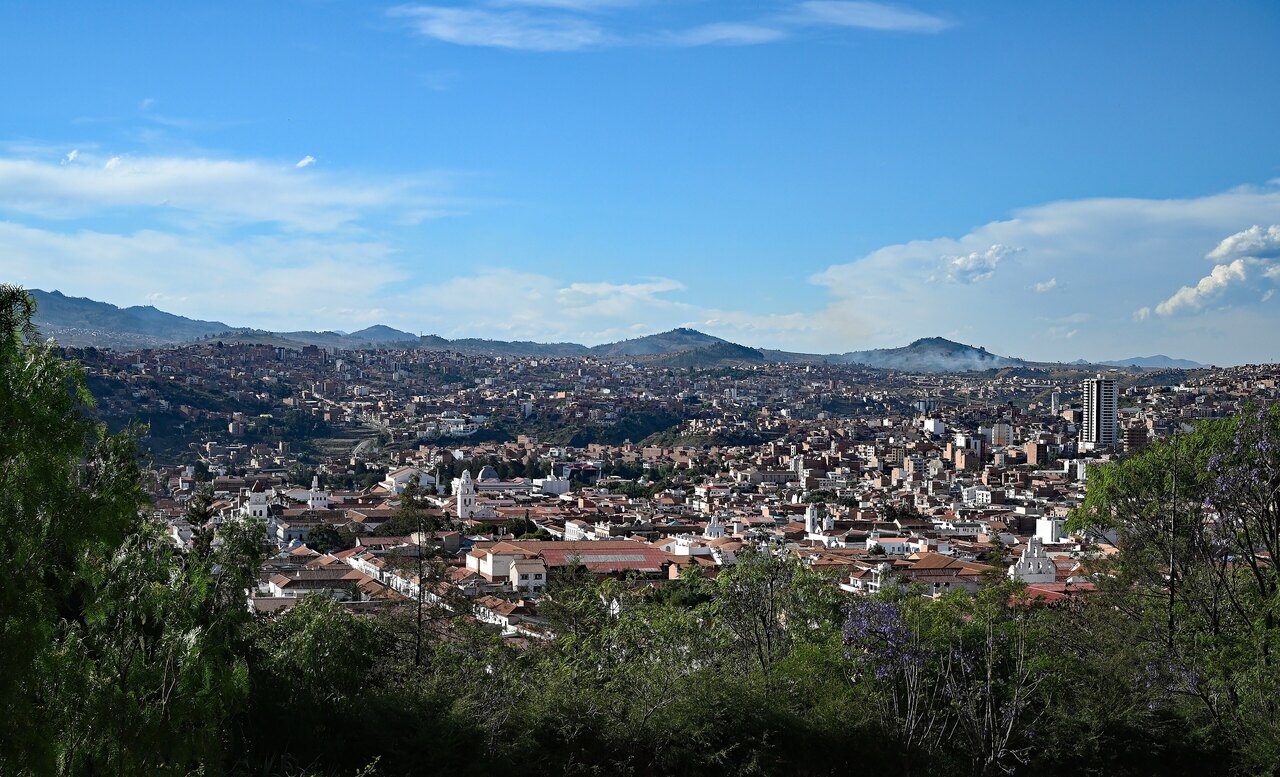
Spend 4 days to absorb Sucre's colonial charm. Two days cover the basics like Casa de la Libertad and the Recoleta viewpoint, while extra time allows for the Tarabuco market and relaxed pacing needed for the altitude. Its walkable, well-preserved center and pleasant climate make it Bolivia’s most livable city.
Short answer
2 days
Focus on the historic center. Visit the Casa de la Libertad to see Bolivia’s founding documents, climb the San Felipe Neri roof for city views, and stroll through Plaza 25 de Mayo. Spend your second day at Cal Orck’o, the world’s largest collection of dinosaur footprints, just a short taxi ride away.
You give up: You sacrifice the Sunday Tarabuco market trip, the nearby Maragua Crater hiking trails, and the slow, relaxed pace of cafe-hopping in the city.
4 days
Dedicate two days to city sights like the textile museum ASUR and the Recoleta convent. On day three, hike the Maragua Crater for stunning geological formations and indigenous culture. Day four is for soaking up the colonial architecture at leisure, sampling local salteñas, and visiting the vibrant Mercado Central.
You give up: You skip deep-dive excursions into the surrounding Chuquisaca department's rural villages and longer multi-day trekking circuits that require significant logistical preparation and gear.
6 days
Beyond the city core and Maragua trek, you gain time for a full-day excursion to the Tarabuco Sunday market to buy authentic weavings. Add a day for the Incamachay and Pumamachay rock paintings, plus extra time to explore the city's hidden courtyards, local markets, and independent art galleries at a leisurely pace.
You give up: Minimal downsides, though you may feel the city's small size if you prefer constant adrenaline-fueled activities or large-scale metropolitan nightlife.
If you can stay longer
An extra 2-3 days allows for a dedicated day trip to the Tarabuco market and trekking the Maragua Crater. You can explore the dinosaur tracks at Cal Orck’o without rushing and truly appreciate the quiet, colonial atmosphere that makes Sucre unique compared to the chaos of La Paz.
Lock in the dates
Common questions
Is Sucre safe for tourists?
Sucre is generally very safe and relaxed compared to other Bolivian cities. Standard precautions apply: keep your belongings close in crowded markets like Mercado Central and avoid walking alone in poorly lit, peripheral areas at night. Most travelers find the local population welcoming and the atmosphere quite comfortable.
How do I handle the altitude?
Sucre sits at 2,800 meters, which is lower than La Paz or Potosí. To acclimatize, stay hydrated, avoid heavy meals on your first day, and drink coca tea. If arriving from lower elevations, rest for the first few hours; most symptoms fade within 48 hours of your arrival.
What is the best way to get around?
Sucre’s historic center is perfectly walkable. For sights further out like Cal Orck’o or the bus terminal, taxis are inexpensive and plentiful; always confirm the price before getting in. Public micros are available but can be confusing for short-term visitors, so stick to taxis for convenience and efficiency.