How many days do you need in Leh?
6 days is vital for high-altitude acclimatization. You need 48 hours resting before hitting 5,359m passes. This allows for Leh Palace, Shanti Stupa, and multi-day trips to high-altitude gems like Pangong Tso and Nubra Valley without severe altitude sickness.
Short answer
4 days
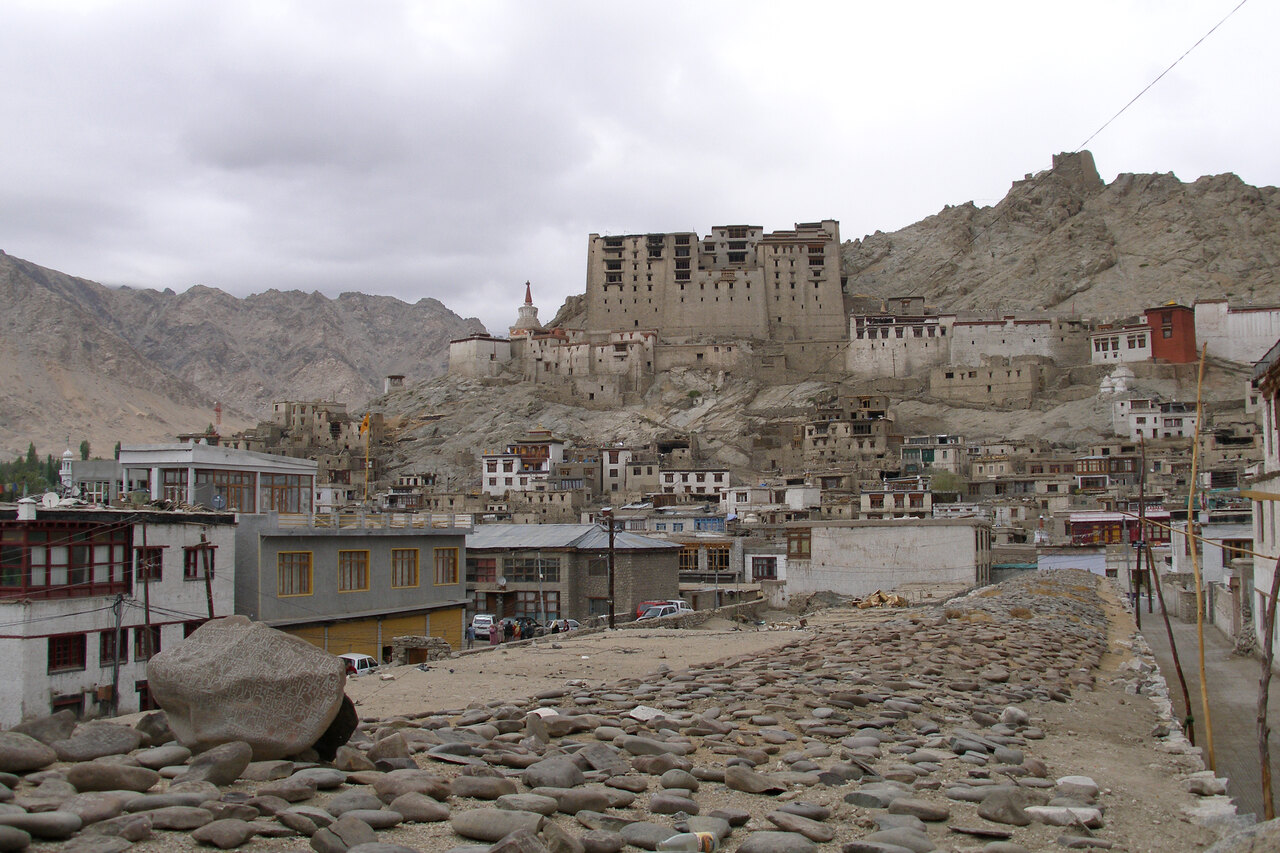
Focus on Leh town and nearby monasteries. Visit Shanti Stupa, Leh Palace, Hall of Fame, and Thiksey Monastery. Includes a day trip to Sangam (confluence) and Magnetic Hill.
You give up: You skip overnight stays at Pangong Lake and Nubra Valley due to travel times.
6 days
The perfect loop. Two days acclimatizing in Leh, followed by an overnight in Nubra Valley via Khardung La, and a night at Pangong Tso via Shyok.
You give up: You miss the remote Tso Moriri lake and the grueling drive to Hanle.
9 days
Adds the remote Tso Moriri lake and the scenic drive through the Indus Valley to Alchi and Lamayuru monasteries. Allows for a slower, safer pace.
You give up: Only misses multi-day trekking routes or the long road trip to Padum.
If you can stay longer
Extra days allow for the 'Aryan Valley' or the remote Zanskar region via the new Shinku La pass. You can also attempt a trek to Markha Valley or visit the Hemis Festival if timing aligns.
Lock in the dates
Common questions
Why can I not start immediately?
Leh sits at 3,500m. Flying in from Delhi causes immediate altitude stress. You must spend the first 24-48 hours doing nothing but drinking water and resting to avoid Acute Mountain Sickness (AMS), which can be fatal.
Is the road trip from Manali better?
It is iconic but exhausting. The 2-day drive involves high passes and rough terrain. It helps with gradual acclimatization compared to flying, but you still need rest days in Leh before heading to even higher lakes.
When is the best time to visit?
June to September is the window. This is when the Manali and Srinagar highways are snow-free and open. In winter, most hotels close, temperatures drop to -20°C, and only fly-in access is possible for the Chadar Trek.