How many days do you need in Jeonju?
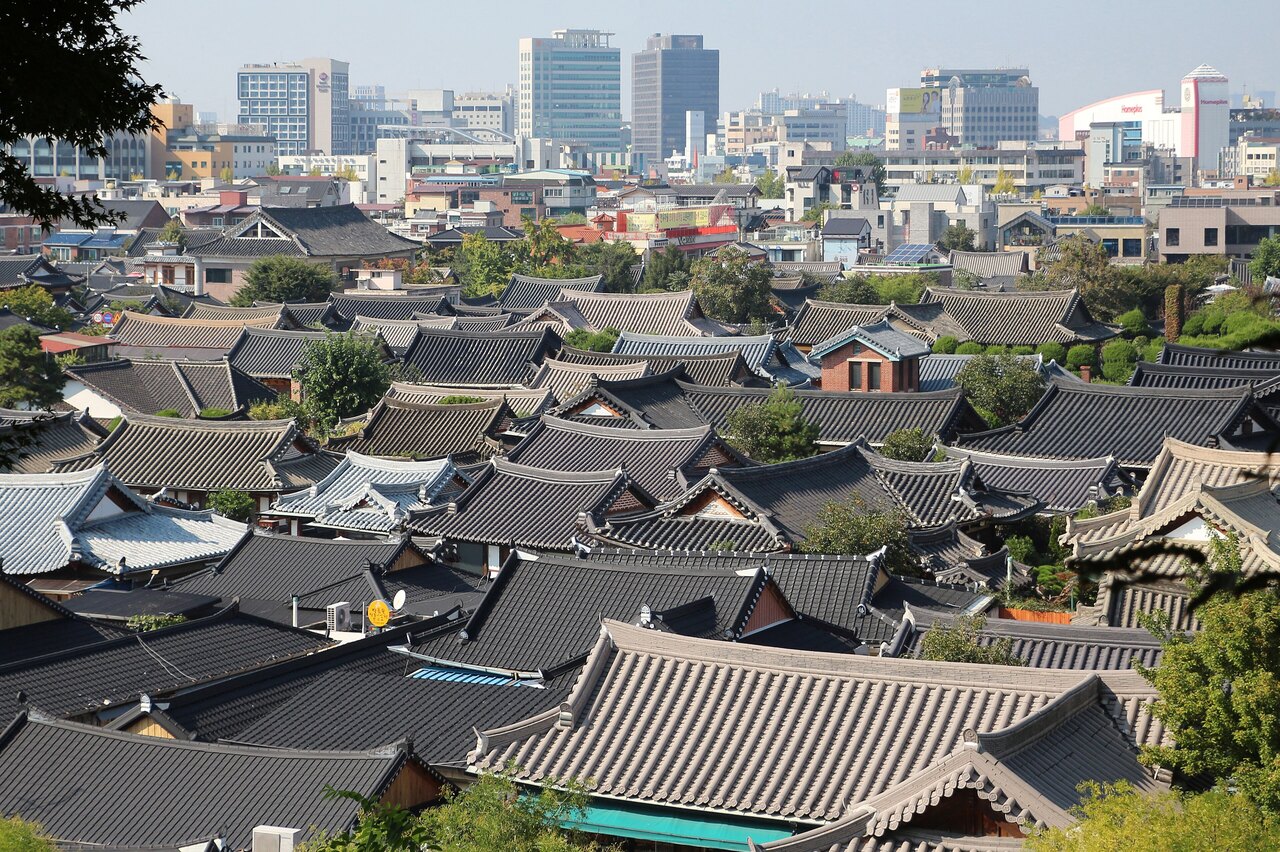
Give Jeonju 3 days to fully immerse in the Hanok Village without rushing. Two days feels frantic due to transit times, while three allows for evening strolls through Gyeonggijeon Shrine and quiet mornings at Omokdae. It captures the authentic pace of a city famous for its slow-food heritage and traditional architecture.
Short answer
1 day
Focus on Jeonju Hanok Village. Start at Gyeonggijeon Shrine, eat bibimbap at a central restaurant, and walk up to Omokdae for the panoramic view. It is a whirlwind, but you get the essence of the historic district and the famous street food stalls before catching your evening KTX.
You give up: You lose the chance to visit Nambu Market, the Jaman Mural Village, or enjoy the city's peaceful atmosphere after the day-trippers leave.
2 days
Spend day one in the Hanok Village and Nambu Market for blood sausage soup. Day two, hike the Jaman Mural Village, explore the Catholic Jeondong Cathedral, and enjoy a traditional tea house experience. This pacing allows for actual exploration rather than just rushing through photo opportunities.
You give up: You skip the opportunity for a relaxing rural escape or deep exploration into the nearby provincial museums and quiet mountain temples.
3 days
Cover everything in the central village, then explore the Royal Portrait Museum and the Hyanggyo. Use the extra day to enjoy Jeonju's nightlife and cafe culture. You will experience the city's deep cultural roots without the pressure of a tight train schedule or crowded peak hours.
You give up: You sacrifice a full day trip to the Imsil Cheese Theme Park or the stunning Maisan Provincial Park.
If you can stay longer
An extra two days allows for a day trip to the unique Maisan Provincial Park to see the Tapsa Temple's stone pagodas. You can also explore the historic Gwanghalluwon Garden in Namwon, turning your trip from a city break into a comprehensive exploration of the Jeolla region's heritage.
Lock in the dates
Common questions
Is Jeonju walkable?
Yes, the historic Hanok Village is highly walkable. However, Jeonju is a real city, so you will need local buses or taxis to reach the Jaman Mural Village or the Nambu Market if you are coming from the outskirts. Wear comfortable shoes for the hilly temple paths.
When is the best time to visit?
Spring and autumn are best. Cherry blossoms make the Hanok Village stunning in April, while October offers crisp weather for walking up to Omokdae. Summer can be humid and rainy, while winter is quite cold, making the heated ondol floors in traditional guesthouses a necessary, cozy luxury.
Is the food worth the hype?
Absolutely. Jeonju is the culinary capital of Korea. Beyond bibimbap, you must try kongnamul gukbap (bean sprout soup) at Nambu Market and the local makgeolli. The street food in the Hanok Village is excellent, but the sit-down restaurants provide a deeper look at regional fermentation traditions.