Home › Fukuoka › How many days
How many days do you need in Fukuoka?
Give Fukuoka four days to truly appreciate its famous food culture and coastal charm. Two days covers urban highlights like the Kushida Shrine and Canal City Hakata, but four allows time to explore the Ohori Park Japanese Garden, relax at Nanzoin Temple, and sample tonkotsu ramen at the iconic Nakasu yatai food stalls without rushing.
Short answer
2 days
Focus on urban highlights. Visit Kushida Shrine, walk through the historic Gion district, and shop at Canal City Hakata. Spend your evening eating tonkotsu ramen at a Nakasu yatai food stall by the Naka River. On day two, explore Ohori Park and the ruins of Fukuoka Castle.
You give up: You miss the tranquil Nanzoin Temple with its massive reclining Buddha, relaxing seaside walks at Momochi Seaside Park, and authentic day trips to Dazaifu Tenmangu Shrine.
3 days
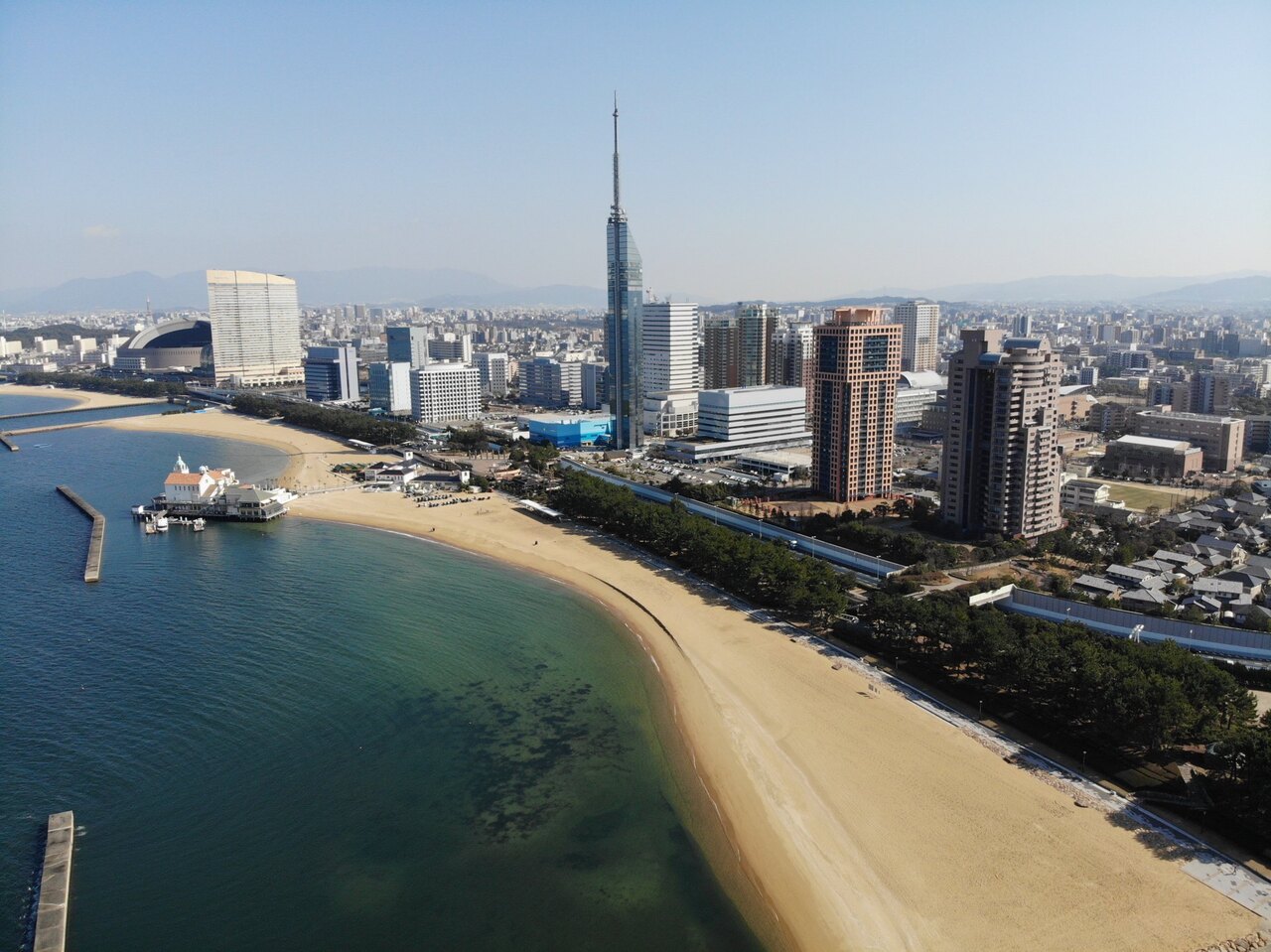
Cover the two-day itinerary, then dedicate day three to a half-day trip to Dazaifu Tenmangu Shrine to see its plum trees and modern Kyushu National Museum. Return to Fukuoka for shopping in Tenjin and sunset views from Fukuoka Tower at Momochi Seaside Park.
You give up: You skip the giant reclining Buddha at Nanzoin Temple and the traditional hot spring town of Dogo or coastal Yanagawa canal cruising.
4 days
Enjoy the complete Fukuoka experience. Combine the city highlights, Dazaifu Shrine, and Ohori Park with a morning trip to Nanzoin Temple to see the giant bronze Buddha. Spend extra evenings exploring local izakayas in Daimyo and enjoying coastal seafood at Nagahama Fish Market.
You give up: Nothing vital for a first-time visit; you get a well-rounded trip balancing food, modern culture, temples, and nearby shrines.
If you can stay longer
An extra two to three days unlocks incredible regional day trips. Take a one-hour train to Yanagawa to experience a traditional flat-bottom boat ride along the historic willow-lined canals, or visit Kitakyushu to explore the striking Kokura Castle and the futuristic Mojiko Retro district with its historic red-brick architecture.
Lock in the dates
Common questions
When is the best time to visit Fukuoka?
Spring (March to May) and autumn (September to November) offer the most pleasant weather for exploring outdoor sights like Ohori Park and eating at the open-air yatai stalls. Cherry blossom season in late March brings stunning pink blooms to Fukuoka Castle ruins, though autumn foliage is equally vibrant.
Are the yatai food stalls expensive?
Yatai street food stalls are generally reasonably priced, but because they are popular tourist attractions, menu items can sometimes be slightly higher than standard izakayas. Expect to pay around 700 to 1,000 yen for a bowl of ramen, plus extra for grilled skewers and drinks.
Is it easy to get around Fukuoka without Japanese?
Fukuoka is very foreigner-friendly. The city subway system is compact, fast, and features clear English signage. Major sights, train station ticket machines, and bus routes provide bilingual information, and most restaurant menus in tourist areas offer English translations.