Home › Fukuoka › Where to stay
Where to stay in Fukuoka
Fukuoka is split by the Naka River, with Hakata acting as the transit and business hub in the east and Tenjin serving as the commercial and nightlife core in the west. The city is remarkably compact; the subway line connects the airport, the main train station, and the downtown districts in under fifteen minutes. Choosing your base depends primarily on whether you prioritize proximity to regional train links or immediate access to nightlife.
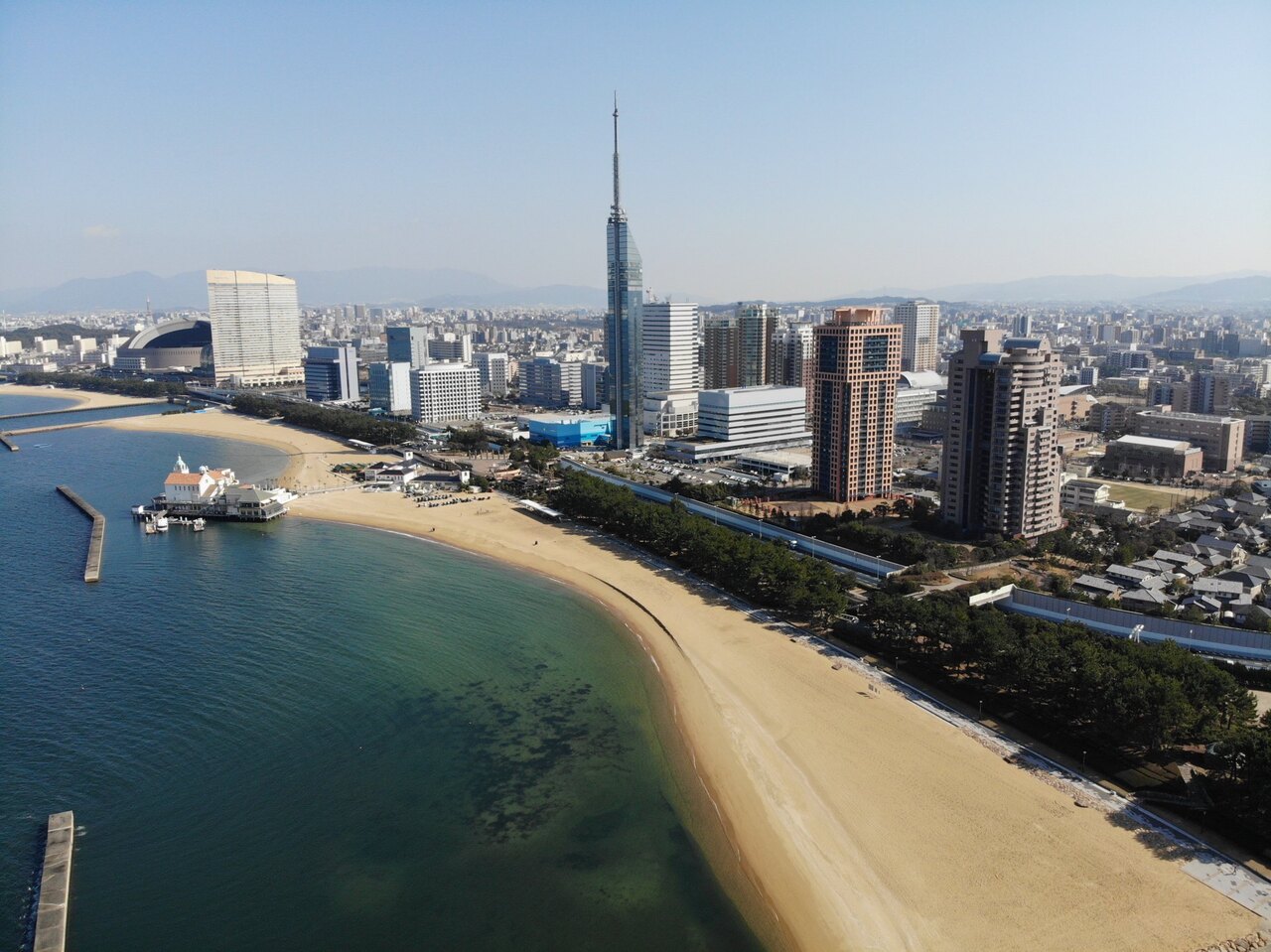
Hakata-eki
This area revolves around the massive JR Hakata City complex. It feels efficient, busy, and corporate. You are steps away from the Shinkansen platforms and major bus terminals. Walking from here leads you to the historic Kushida Shrine and the traditional Canal City mall. The streets are wide and paved, perfect for quick navigation if you are juggling luggage or tight schedules.
Tenjin
Tenjin is the frantic, neon-lit heart of Fukuoka. The atmosphere is youthful and dense, filled with high-end boutiques and the famous Tenjin Chikagai underground shopping mall. Everything you need is walkable, including the Kego Shrine and the vibrant Daimyo district, which is packed with small vintage shops and independent coffee roasters. It is the best place to be if you crave constant activity.
Nakasu
Situated on a narrow island between two rivers, this area is neon-saturated and energetic. It feels slightly gritty but undeniably lively. You are perfectly positioned to walk to the riverside yatai stalls for ramen and beer at night. The surrounding streets are lined with entertainment venues and bars. It serves as a bridge between the business atmosphere of Hakata and the retail focus of Tenjin.
Daimyo
Daimyo is a dense grid of narrow alleys tucked behind the massive Tenjin shopping streets. It feels intimate, trendy, and packed with personality. You can walk to all the major Tenjin amenities in five minutes, yet the streets here are filled with street art, record stores, and hole-in-the-wall izakayas. It is the most walkable part of the city for people who enjoy browsing shops at a slow pace.
Ohori Park
Bordering one of Japan’s most beautiful city parks, this area feels residential and spacious. It is a welcome break from the concrete density of the city center. You are within walking distance of the Fukuoka Art Museum and the serene Japanese Garden. While quiet, the subway station puts you back in the Tenjin core within two stops, making it a functional balance of peace and connectivity.
One thing to think about
Avoid booking accommodation specifically in the areas immediately adjacent to the red-light districts on the eastern side of Nakasu if you are a light sleeper. The noise from street touts and late-night revelry can be persistent until sunrise, making the convenience of the central location a potential trade-off for your sleep quality.
Once you have a bed
The things that sell out first in Fukuoka are the small-group tours and the skip-the-line tickets.
Common questions
Is the subway the best way to travel?
The Fukuoka City Subway is exceptional for tourists. It connects Fukuoka Airport directly to Hakata Station in five minutes and Tenjin in eleven. Because the city is so compact, most major sights are reachable by subway or a short walk, making taxis almost entirely unnecessary unless you are traveling with significant amounts of luggage or to remote suburban areas.
Do I need to carry cash for food stalls?
Yes, the yatai stalls are almost exclusively cash-only. While the larger department stores and restaurants in Hakata and Tenjin widely accept credit cards and IC cards like Suica or Pasmo, the small outdoor street food stalls lack electronic payment infrastructure. Always keep a few thousand yen in coins and small bills on hand to ensure you can pay for your ramen.
Is it worth staying near the airport?
Stay in Hakata Station instead. Because the airport is so close to the city center, there is no need to stay at an airport-adjacent hotel. You can reach the terminal from the city center in under ten minutes via subway for a fraction of the cost. Staying near the station gives you much better access to nightlife and dining options.
Hotel links go to Booking.com.