Home › Big Sky › How many days
How many days do you need in Big Sky?
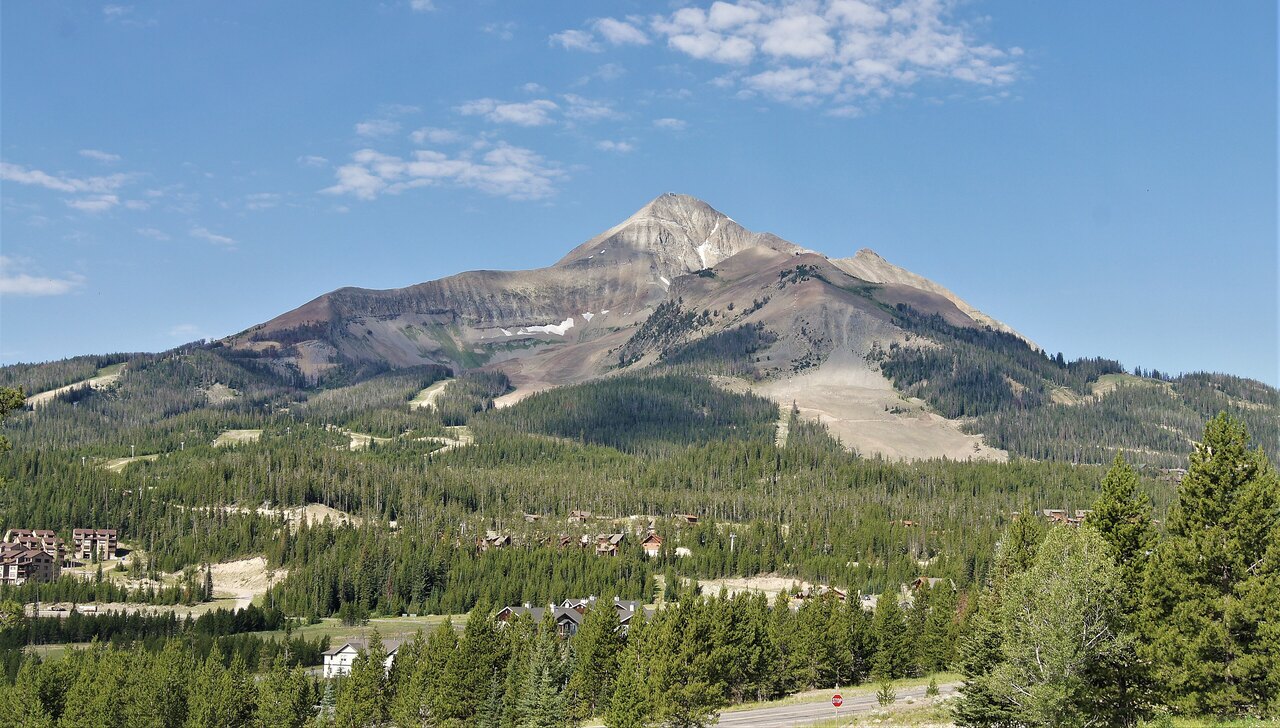
Big Sky’s high‑altitude terrain and spread‑out attractions need at least two full days, but four days let you ski or hike, soak the hot springs, and take a wildlife drive without feeling rushed. Distances between the ski resort, Ousel Falls, Lone Peak, and the nearby Gallatin River add travel time.
Short answer
2 days
Day 1: ski or snowboard at Big Sky Resort’s 300‑acre terrain, then ride the Lone Peak Tram for summit views. Day 2: hike Ousel Falls, paddle a short stretch of the Gallatin River, and unwind at the nearby Bozeman Hot Springs. Travel between sites is 15‑30 minutes each.
You give up: Skipping the backcountry snowcat tours, the Yellowstone wildlife safari, and an evening at the Lone Peak nightlife.
4 days
Day 1: full day on Big Sky Resort’s lifts, including a run on Lone Peak’s expert chute. Day 2: hike the Ousel Falls loop, then bike the Gallatin River trail. Day 3: take a guided white‑water rafting trip on the Gallatin, and soak at Bozeman Hot Springs. Day 4: drive 45 minutes to West Yellowstone for wildlife spotting at Lamar Valley.
You give up: Missing a night‑time stargazing tour, the Big Sky Brewing Co. taproom, and a day trip to the historic town of Virginia City.
6 days
Day 1–2: ski or snowboard all terrain at Big Sky Resort, including a guided backcountry lesson. Day 3: hike Ousel Falls and ride the Lone Peak Tram at sunrise. Day 4: white‑water raft the Gallatin, then relax at Bozeman Hot Springs. Day 5: explore West Yellowstone’s geysers and mudpots. Day 6: take a day trip to the historic mining town of Virginia City and nearby Alder Gulch.
You give up: Foregoing a multi‑day backcountry ski tour, a guided wildlife photography workshop, and an extended soak at the natural hot springs near Norris.
If you can stay longer
Adding two more days lets you venture north to the stunning Beartooth Highway, stop at Beartooth Lake, and hike the alpine trail to Granite Pass, a scenic loop that showcases towering peaks, wildflower meadows, and abundant wildlife.
Lock in the dates
Common questions
When is the best time to visit Big Sky?
The prime season runs from late November through March for world‑class skiing, while June to early September offers mild temps for hiking, fishing, and wildlife viewing. July brings occasional thunderstorms, so mid‑July to early August provides the most reliable weather for outdoor activities.
Do I need a car in Big Sky?
Yes, a rental car is essential because attractions are spread out and public transit is limited. A compact SUV handles mountain roads well, and it gives you flexibility to reach Ousel Falls, the Gallatin River, West Yellowstone, and day‑trip destinations like Virginia City.
What wildlife can I expect to see?
Around Big Sky you’ll spot elk, moose, and bighorn sheep in the valleys, while golden eagles and red‑tailed hawks circle the ridgelines. In late summer, bear sightings become common in the Gallatin and near West Yellowstone’s Lamar Valley.