Home › Big Sky › Best time to visit
The best time to visit Big Sky
January, February, March, July, August and September — daytime highs -3–23°C. Every number on this page is measured, not guessed.
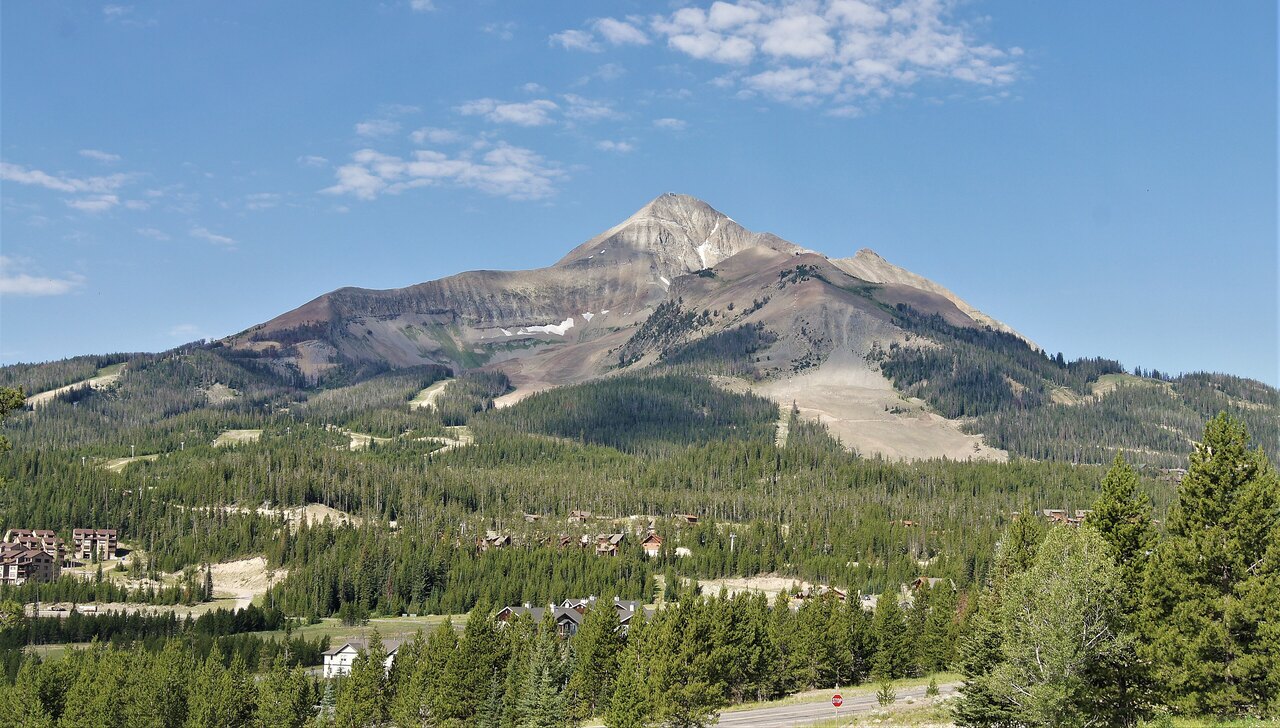
Big Sky month by month
| Month | Day | Night | Wet days | |
|---|---|---|---|---|
| January | -3°C | -11°C | 12 | Best |
| February | -3°C | -11°C | 16 | Best |
| March | 1°C | -8°C | 15 | Best |
| April | 5°C | -5°C | 16 | Shoulder |
| May | 10°C | 0°C | 18 | |
| June | 16°C | 4°C | 15 | Shoulder |
| July | 23°C | 10°C | 13 | Best |
| August | 22°C | 10°C | 13 | Best |
| September | 17°C | 5°C | 10 | Best |
| October | 8°C | -2°C | 13 | Shoulder |
| November | 1°C | -8°C | 12 | |
| December | -3°C | -11°C | 14 | Shoulder |
The short version
Warmest: July, around 23°C by day. Coolest: January, around -3°C by day and -11°C at night. Wettest: May with about 18 wet days. Driest: September with about 10.
If you want fewer people: April, June, October, December sit right beside the best months. The weather is close and the crowds are not.
Book it for those months
Prices climb as the good months fill up.
Common questions
When is the best time to visit Big Sky?
The best months are January, February, March, July, August and September, when daytime highs sit -3–23°C.
What is the hottest month in Big Sky?
July, with daytime highs around 23°C.
What is the wettest month in Big Sky?
May, with about 18 wet days. The driest is September with about 10.
When is the cheapest time to visit Big Sky?
Prices follow the weather. The months either side of the best ones — April, June, October, December — are usually cheaper with similar conditions.
Temperatures and wet days are measured, not estimated: ERA5 reanalysis for 2021-2023, at Big Sky, Montana. Source: Open-Meteo. Hotel and activity links are partner links — the price you pay is the same.