Home › Serengeti › Where to stay
Where to stay in Serengeti
The Serengeti is a vast ecosystem of endless plains, river corridors, and rocky kopjes rather than a single park. Choosing where to stay dictates your wildlife viewing: southern areas offer calving seasons, the west features river crossings, and the north delivers the iconic Mara River drama. Because distances between regions are vast and unpaved, picking the right zone for the specific month of your safari is critical.
Seronera Valley
Seronera is the beating heart of the central Serengeti, defined by acacia woodlands and intersecting river systems that attract high concentrations of resident wildlife. It feels bustling during peak months. You can walk out of your tent directly onto game drive tracks, and the Serengeti Visitor Centre and the Retima Hippo Pool are key nearby landmarks.
Kogatende
Located in the remote far north, this area consists of undulating hills bordering the Maasai Mara. It feels wild and exclusive, dominated by frantic river crossing action between July and October. While you cannot walk freely due to predators, camps sit right on the migration paths, with the main Lamai Wedge and the Mara River itself acting as key geographic anchors.
Ndutu Plains
Technically part of the Ngorongoro Conservation Area but functioning as the southern Serengeti ecosystem, Ndutu is defined by short-grass plains and shallow soda lakes. It feels open, dusty, and extraordinarily alive with newborn calves and hunting cheetahs. Lake Ndutu and the ancient acacia forests are the main natural landmarks here.
Grumeti River
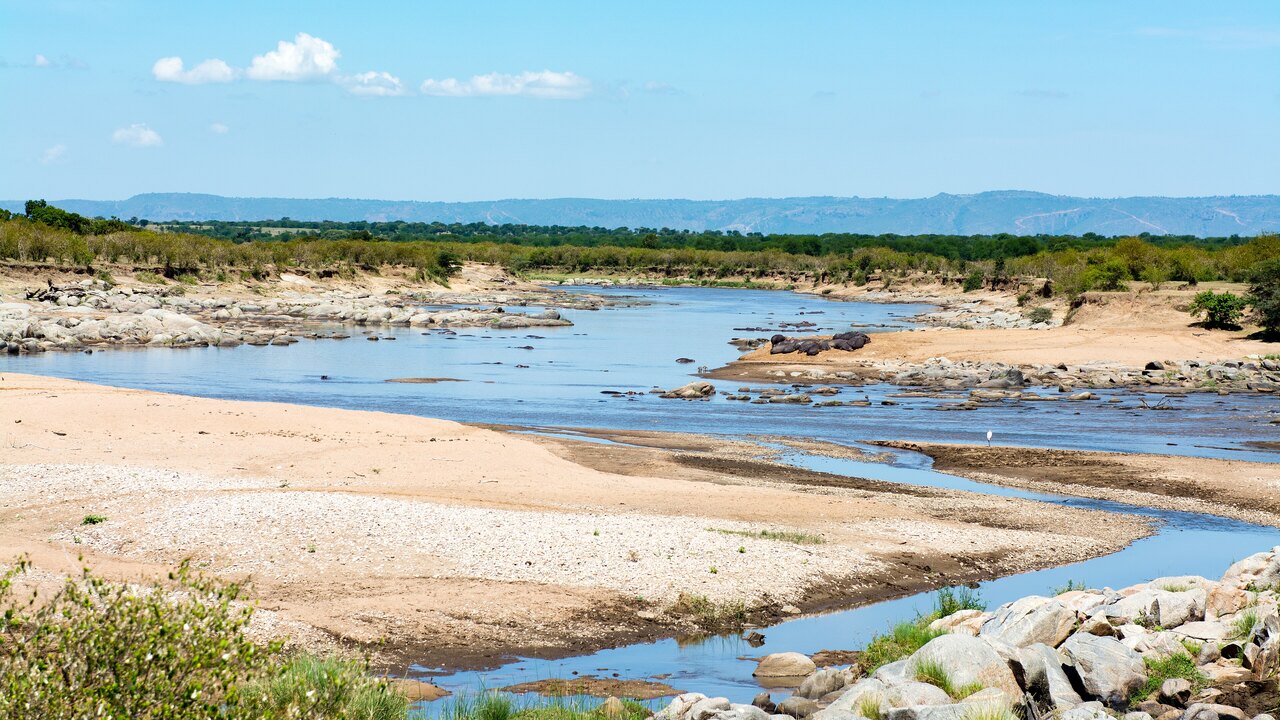
The western corridor follows the winding Grumeti River toward Lake Victoria, featuring dense riverine forests and vast floodplains. It feels quieter and more heavily forested than the central plains. The Kirawira area and the Grumeti River itself are primary landmarks, offering exceptional sightings of giant Nile crocodiles and resident plains game.
Rent a car in Serengeti
Compare rental cars from local and international companies, with free cancellation on most bookings.
Compare car rentals in SerengetiOne thing to think about
Avoid staying outside the park gates in towns like Mugumu or Mto wa Mbu if your primary goal is serious game viewing. The daily transit times into the park will eat up hours of daylight, leaving you exhausted on rough roads before you even spot your first animal.
Once you have a bed
The things that sell out first in Serengeti are the small-group tours and the skip-the-line tickets.
Top tours & activities in Serengeti
Common questions
When is the best time to visit the Serengeti?
The best time depends on what you want to see. January to March is ideal for the calving season in the south. July to October is best for witnessing river crossings in the north. The dry season from June to October generally offers the easiest wildlife viewing across all regions.
Can I walk around my camp or lodge unsupervised?
No. Most Serengeti camps and lodges are unfenced, meaning wild animals like elephants, lions, and buffalo frequently wander through the grounds. Armed rangers or camp staff must escort you between your tent and the main mess area after dark for your safety.
How do I get around between the different regions?
Given the massive distances and bumpy dirt roads, most travelers fly between regional airstrips using bush planes like Coastal Aviation or Air Excel. Alternatively, you can book a multi-day safari with a private 4x4 vehicle and driver-guide who will drive you across the park.
Hotel links go to Booking.com. If you book through them TonyPlan earns a small commission — the price you pay is exactly the same.