Home › Philadelphia › Where to stay
Where to stay in Philadelphia
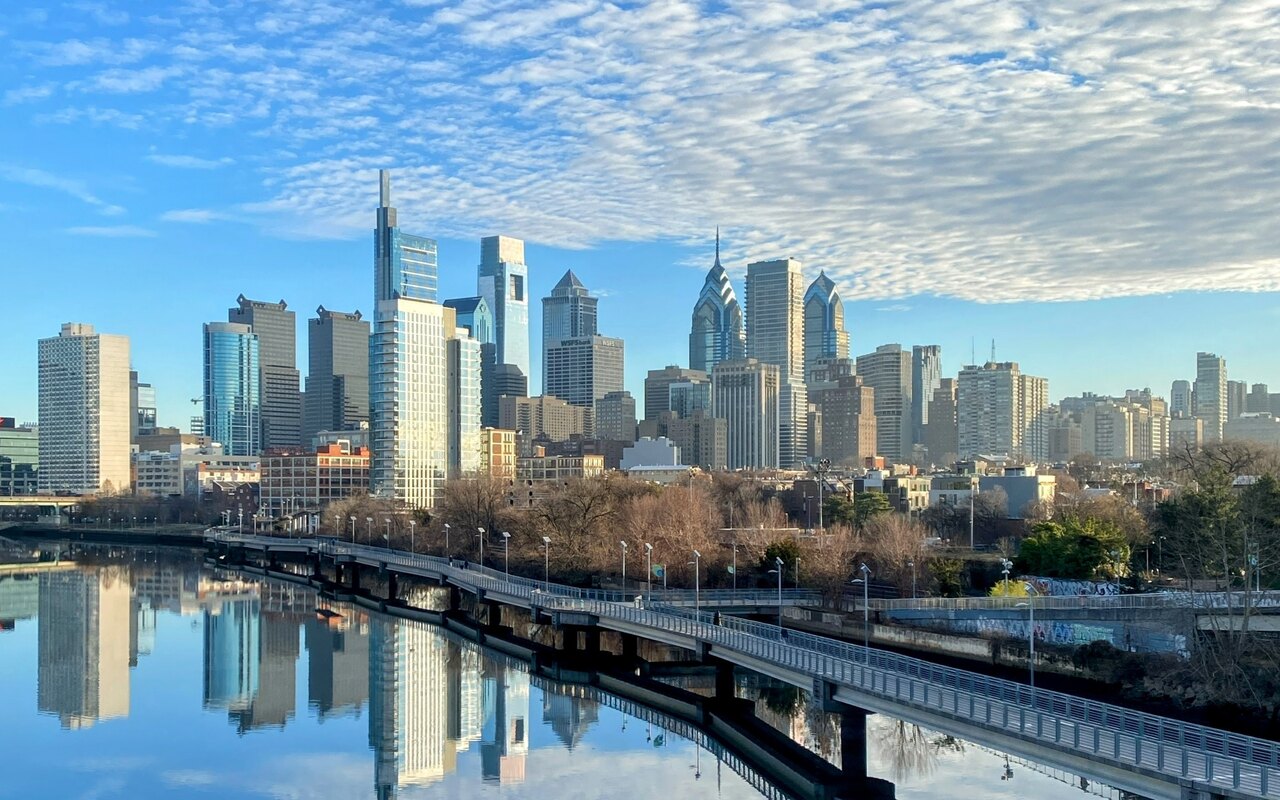
Philadelphia follows a compact grid system radiating from the historic Center City core. While the Schuylkill River creates a natural boundary to the west, most major attractions are clustered within a walkable radius. Choosing your base depends on whether you prefer historic cobblestones, high-rise luxury, or the gritty, independent spirit of the surrounding neighborhoods. Public transit (SEPTA) connects outlying districts, but walking remains the best way to experience the city's distinct neighborhood character.
Rittenhouse Square
This is the city's premier residential district, characterized by elegant brownstones and upscale boutiques. It feels refined and manicured, centering on the iconic park of the same name. You are steps away from high-end steakhouses on Walnut Street and a short walk to the Museum District. It is the most walkable and comfortable area for first-time visitors.
Old City
Cobblestone streets and preserved 18th-century architecture define this district. It is highly walkable, placing you directly at Independence Hall, the Liberty Bell, and the Betsy Ross House. Evenings here are vibrant, with numerous galleries, cocktail bars, and independent shops filling the narrow lanes. The atmosphere is dense with historical gravity but remains lively after sunset.
Fishtown
Once industrial, this neighborhood is now the hub of the city's craft beer, vinyl, and independent dining scene. Frankford Avenue serves as the primary artery for local galleries and live music venues. While further from historical sites, the area is exceptionally walkable for those who prioritize nightlife and independent coffee culture over traditional sightseeing.
University City
Home to UPenn and Drexel, this area is dominated by modern architecture and lively student-focused eateries. The Schuylkill River Trail is easily accessible for morning runs. While it lacks the historic charm of downtown, it provides a functional, energetic base. You can walk to the Penn Museum or hop on the subway for a quick commute to Center City.
Washington Square West
This area, often called the 'Gayborhood,' is famous for its vibrant energy, rainbow crosswalks, and high density of eclectic restaurants along 13th Street. It is perfectly positioned between the historical sites of Old City and the shopping of Rittenhouse. It feels intimate, leafy, and exceptionally pedestrian-friendly with a dense grid of independent businesses.
One thing to think about
Avoid booking accommodation directly adjacent to the Greyhound bus terminal or the far reaches of North Broad Street. These areas are often disconnected from the main tourist transit hubs, requiring long walks or reliance on unpredictable bus lines, and offer very little in the way of dining or evening entertainment options.
Once you have a bed
The things that sell out first in Philadelphia are the small-group tours and the skip-the-line tickets.
Common questions
Is Philadelphia a walkable city?
Yes, Center City and the surrounding neighborhoods are highly compact and flat, making them ideal for walking. You can easily traverse from the Delaware River to the Schuylkill River in about forty-five minutes. Most major historical landmarks and dining districts are connected by continuous sidewalks, reducing the need for taxis or rideshares.
Do I need a rental car in Philadelphia?
You should avoid renting a car. Parking is expensive, limited, and difficult to navigate on narrow, one-way streets. Philadelphia has a robust public transit system including subways, trolleys, and regional rail lines that cover all major tourist zones. If you stay in the core districts, you will find everything accessible via walking or the SEPTA network.
When is the best time of year to visit?
Spring and autumn are ideal, specifically April through June and September through October. During these months, the city’s many public parks, such as Rittenhouse Square and Washington Square, are in peak bloom or foliage. The temperate weather makes walking tours much more enjoyable than during the humid, sweltering summer or the biting cold of winter.
Hotel links go to Booking.com.