Where to stay in Napa
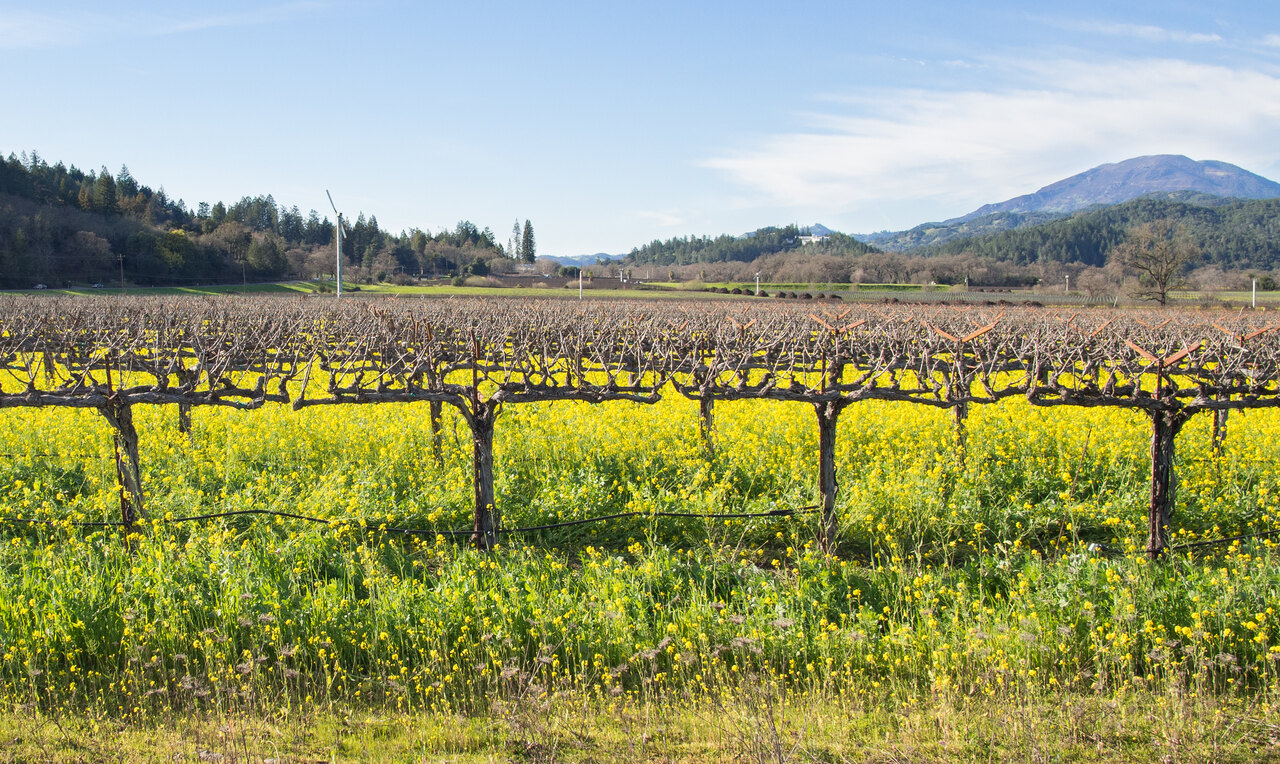
Napa Valley is a 30-mile corridor defined by Highway 29 and the Silverado Trail. While towns like Napa and Yountville offer walkable grids, the northern reaches demand a car to bridge the distance between isolated estates. Your base determines whether you prioritize evening accessibility to restaurants or early morning proximity to the valley’s most prestigious vineyard tasting rooms.
Downtown Napa
This area features a dense concentration of tasting rooms and riverfront dining along the Napa River. You can easily walk to the Oxbow Public Market for local provisions or stroll First Street for boutique shopping. It feels urban and lively, serving as a reliable hub if you prefer skipping the nightly taxi search.
Yountville
The town is defined by its compact, pedestrian-friendly core where major restaurants like The French Laundry and Bouchon anchor the experience. It feels sophisticated and quiet, allowing you to walk from your hotel to Michelin-starred dinners and local art galleries effortlessly. It is the valley’s most convenient base for those who value gourmet access.
St. Helena
The main strip, Main Street, is lined with century-old buildings, independent bookstores, and high-end cafes. It feels like an authentic community rather than a tourist corridor. You can walk to local tasting rooms and the Culinary Institute of America at Greystone, making it a perfect spot for travelers prioritizing educational wine experiences.
One thing to think about
Avoid staying near the main Highway 29 through-road if you are a light sleeper, as constant delivery truck traffic creates significant noise throughout the night. Additionally, do not expect Uber or Lyft to be reliable or cheap in the northern reaches of Calistoga; you will inevitably need a dedicated rental car to explore effectively.
Once you have a bed
The things that sell out first in Napa are the small-group tours and the skip-the-line tickets.
Common questions
Do I need a rental car to get around the valley?
Unless you stay strictly within the downtown grid of Napa, a car is essential. Public transit is severely limited, and ride-sharing services become sparse and expensive once you travel north of Yountville. Having your own vehicle allows the flexibility to visit specific vineyards and restaurants on your own schedule without waiting.
Are reservations mandatory for wine tastings?
Yes, almost all high-end wineries in the valley now require advance appointments. Dropping in unannounced is rarely successful, especially on weekends. Secure your bookings at least four to six weeks in advance to ensure you can visit your preferred estates, as many boutique producers limit daily guest numbers to maintain exclusivity.
What is the best time of year to visit?
The harvest season, typically from late August to October, is visually stunning but also the busiest and most expensive period. For better availability and moderate temperatures, visit in late spring or early November. Winters are quiet and affordable, though you lose the lush greenery of the vines, which remain dormant until the spring bloom.
Hotel links go to Booking.com.