Where to stay in Lima
Lima is a sprawling coastal metropolis divided into distinct districts perched atop cliffs or nestled in valleys. The city is not pedestrian-friendly on a macro level, meaning you must pick a base close to your primary interests. Staying in coastal districts ensures ocean views and walkability to parks and restaurants, while moving inland requires constant reliance on taxis or rideshares to bridge the massive gaps between neighborhoods.
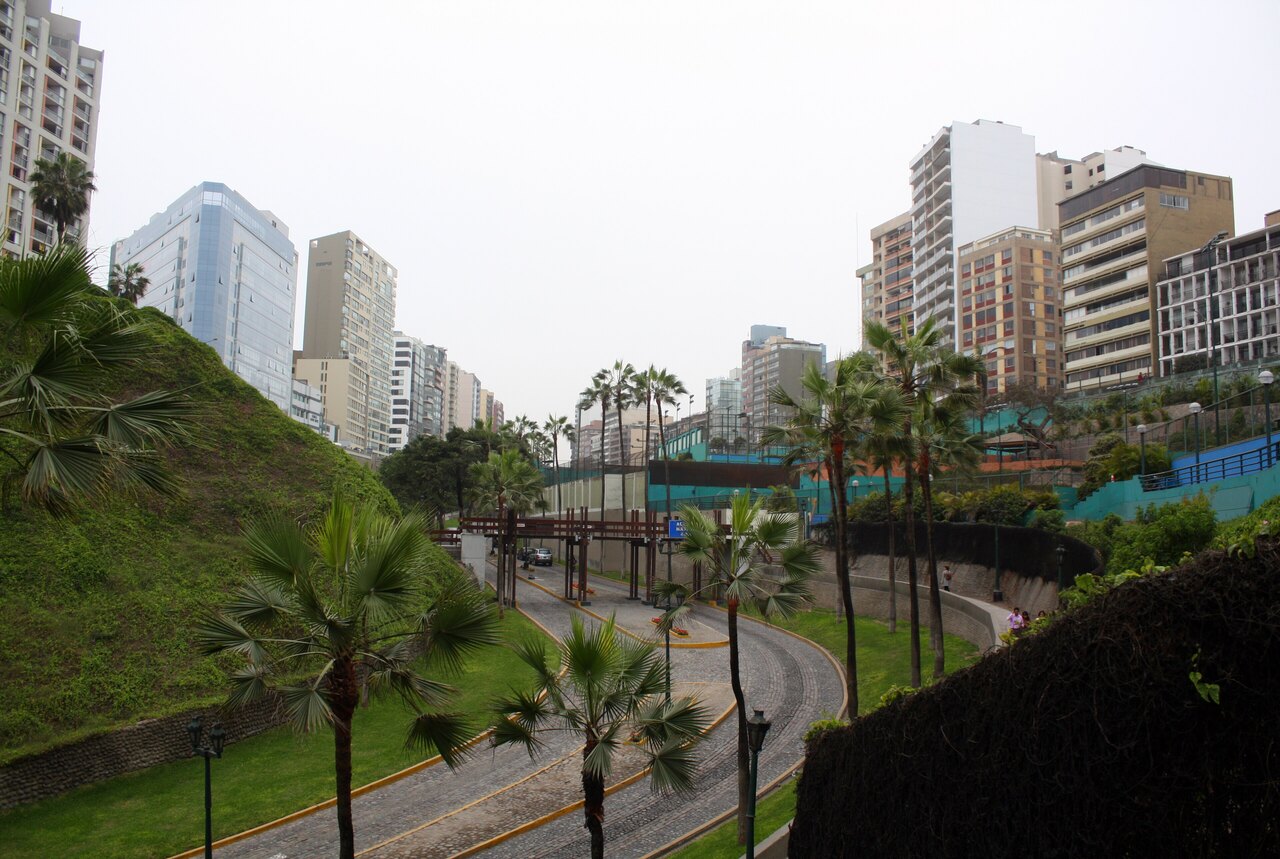
Miraflores
This is the tourist heartbeat of the city. You are surrounded by high-end coffee shops, international restaurants, and the clifftop Malecon boardwalk, which offers miles of paved paths for walking or cycling. It is densely packed and tourist-oriented, making it easy to navigate on foot to landmarks like the Larcomar shopping center and Parque Kennedy.
Barranco
Barranco feels like a village within the city, characterized by colorful colonial mansions and street murals. It is highly walkable, centered around the iconic Puente de los Suspiros bridge. You can easily stroll between independent art galleries, live music venues, and cafes. It is quieter than Miraflores but significantly more vibrant and eccentric at night.
San Isidro
This is Lima’s financial and diplomatic hub. It feels polished, orderly, and upscale, filled with embassies and sprawling private estates. It is home to the Bosque El Olivar, an ancient olive grove that provides excellent shade for daytime walks. While less intense than other districts, it offers an elegant, quiet base for those prioritized by comfort and status.
Centro Histórico
Staying here puts you directly among UNESCO-listed colonial architecture. You can walk to the Plaza Mayor, the Cathedral of Lima, and the catacombs of the Convento de San Francisco. It is frantic, noisy, and deeply authentic. While traffic is heavy, the primary historic sights are clustered together, allowing for extensive sightseeing without ever needing a vehicle.
Surquillo
Located directly adjacent to Miraflores, this district provides a more raw, local experience. The primary draw is the Mercado de Surquillo No. 1, an essential stop for high-quality produce and casual ceviche stalls. It lacks the coastal views of its neighbor, but the lower cost of living and easy access to authentic street food make it a pragmatic choice.
Rent a car in Lima
Compare rental cars from local and international companies, with free cancellation on most bookings.
Compare car rentals in LimaOne thing to think about
Avoid booking accommodation solely based on distance to the airport in Callao. Traffic congestion in Lima is extreme, and being closer to the runway often puts you far from the restaurants and cultural sites you actually came to visit. Prioritize districts along the coastline instead.
Other places to stay in Peru: Casa Andina
Once you have a bed
The things that sell out first in Lima are the small-group tours and the skip-the-line tickets.
Top tours & activities in Lima
Common questions
Is it easy to use public transport in Lima?
Public transport is fragmented and often confusing for visitors. While the Metropolitano bus line is efficient for traversing the city North to South, it gets extremely crowded during peak hours. Most travelers find that using registered rideshare apps is safer, more reliable, and ultimately more efficient than navigating the city's complex bus routes.
Do I need to speak Spanish to get around?
In the major tourist districts of Miraflores and Barranco, English is widely spoken in hotels, restaurants, and shops. However, learning basic Spanish phrases is essential if you plan to visit local markets, travel to the historic center, or interact with taxi drivers who may not be accustomed to English-speaking passengers.
How do I handle the local currency and payments?
While credit cards are accepted in most upscale restaurants and hotels, Lima remains a cash-heavy city. Keep small denominations of Soles on you at all times for street food, markets, and smaller shops. ATMs are widely available in banking districts, but always use those located inside secure, well-lit bank branches to ensure safety.
Hotel links go to Booking.com. If you book through them TonyPlan earns a small commission — the price you pay is exactly the same.