Home › Kuala Lumpur › Where to stay
Where to stay in Kuala Lumpur
Kuala Lumpur is a sprawling, polycentric metropolis defined by its fragmented geography. Traffic congestion is severe, making your choice of base critical to minimizing travel time. The city center is compact, but transit lines are essential for reaching peripheral districts. Most travelers should prioritize proximity to the Kelana Jaya LRT or MRT lines to bypass the gridlock. Choose your neighborhood based strictly on whether you want high-end retail, local food scenes, or business accessibility.
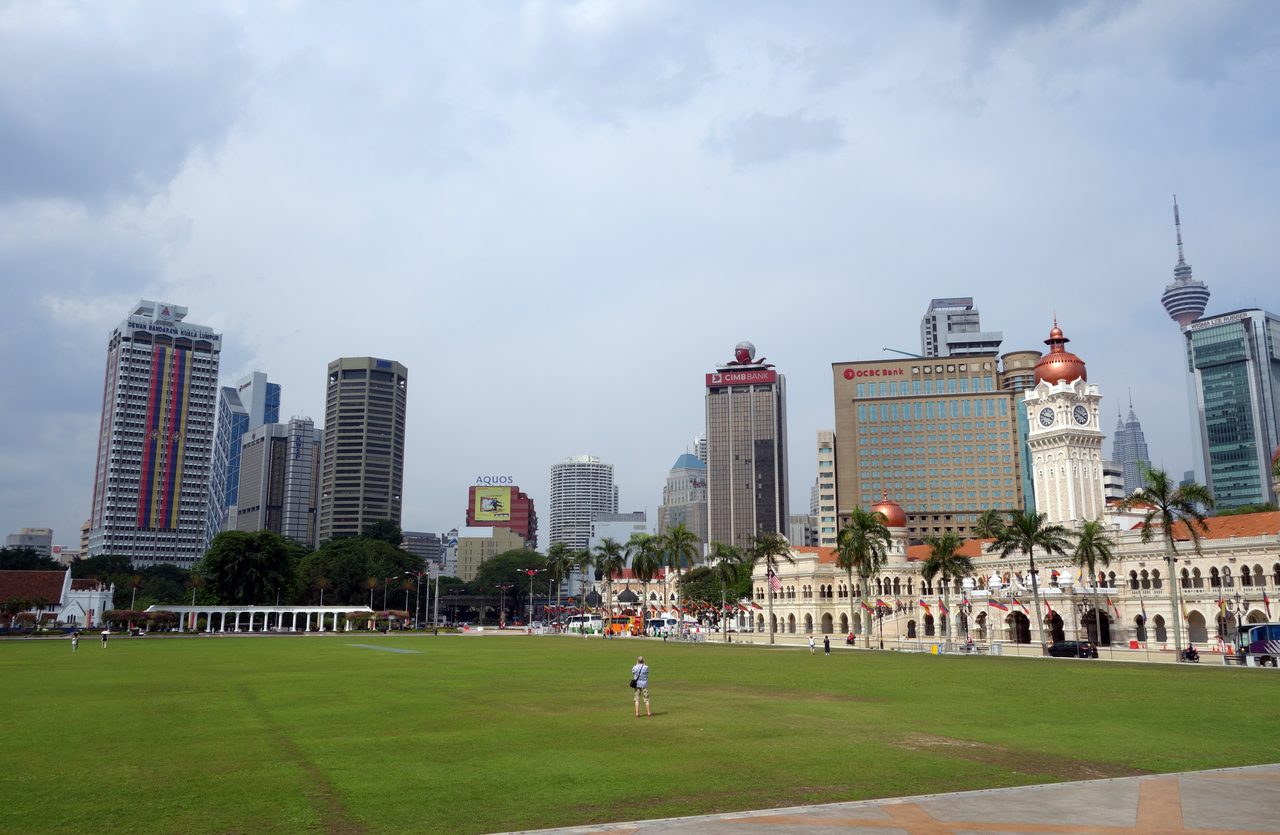
KLCC
This is the city's commercial core, dominated by the Petronas Twin Towers. It feels polished, orderly, and highly efficient for corporate stays. You can walk to Suria KLCC mall, the lush KLCC Park, and various upscale hotels. Pavements are wide and well-maintained, a rarity in the city, making it the most pedestrian-friendly district for evening strolls under the towers.
Bukit Bintang
The area revolves around Jalan Bukit Bintang and Jalan Alor, the latter famous for its dense concentration of street food stalls. It is vibrant, loud, and perpetually busy. Everything from Pavilion KL mall to the Changkat bar strip is walkable. It is the best district if you prefer not to rely on taxis or trains to find late-night meals.
Chinatown
Focused around Petaling Street, this area has a gritty, authentic energy that contrasts with the glass skyscrapers nearby. It feels crowded and chaotic, packed with colonial-era shop-houses and incense-filled temples like Sri Mahamariamman. The Pasar Seni LRT and MRT station is within walking distance, making the rest of the city easily accessible from this culturally dense, high-traffic node.
Bangsar
Bangsar feels more suburban and curated than the city center. The action centers on Jalan Telawi, where you will find an endless supply of western-style bistros, bars, and boutiques. It is highly walkable if you stay in the Telawi blocks, though getting to the KL Sentral transport hub requires a short taxi ride or a trip via the local LRT station.
Chow Kit
This district is defined by its vibrant, sprawling fresh produce markets. It is loud, intense, and unfiltered, offering a look at daily Malaysian life far removed from the sterile malls. It is walkable to the Quill City Mall and easily connected to the monorail line, providing a direct link to the central business districts for a fraction of the usual hotel price.
Rent a car in Kuala Lumpur
Compare rental cars from local and international companies, with free cancellation on most bookings.
Compare car rentals in Kuala LumpurOne thing to think about
Avoid booking accommodation near the immediate vicinity of the main bus terminals if you prefer quiet. These areas suffer from chronic traffic congestion and aggressive touts. Additionally, be wary of choosing hotels that claim to be city-central but lack direct access to an LRT or MRT station; the city's massive highways act as physical barriers that make walking distances deceptively difficult.
Once you have a bed
The things that sell out first in Kuala Lumpur are the small-group tours and the skip-the-line tickets.
Top tours & activities in Kuala Lumpur
Common questions
Do I need to rent a car to get around?
Absolutely not. Renting a car in Kuala Lumpur is a strategic error due to extreme traffic congestion and difficult parking logistics. The city features a robust rail network consisting of LRT, MRT, and monorail lines, supplemented by efficient ride-hailing services like Grab, which are very affordable and significantly more practical than navigating the complex, perpetually jammed city roads yourself.
What is the best way to travel from the airport?
The KLIA Ekspres train is the fastest, most reliable method, whisking you from the airport to KL Sentral in just 28 minutes. Once at KL Sentral, you can transition to the city's internal rail lines or a ride-hailing app to reach your final destination. Avoid taking airport taxis during peak hours, as the journey can exceed ninety minutes depending on local traffic conditions.
Is the tap water safe to drink?
While the water is generally treated to high standards at the source, the infrastructure within older buildings and hotels can be inconsistent. It is standard practice among locals and seasoned travelers to rely on filtered water or bottled water for drinking. Most hotels provide complimentary bottled water daily, and filtered dispensers are commonly found in most modern lobbies and cafés.
Hotel links go to Booking.com. If you book through them TonyPlan earns a small commission — the price you pay is exactly the same.