Where to stay in Jersey
Jersey is a compact island structured around St Helier, the bustling commercial hub, and the quieter, greener northern and western parishes. Choosing where to stay depends on your need for connectivity versus solitude. St Helier offers urban convenience and transit links, while the coastal parishes provide direct access to rugged cliff paths, golden bays, and a slower pace of life, requiring a rental car for effective exploration.
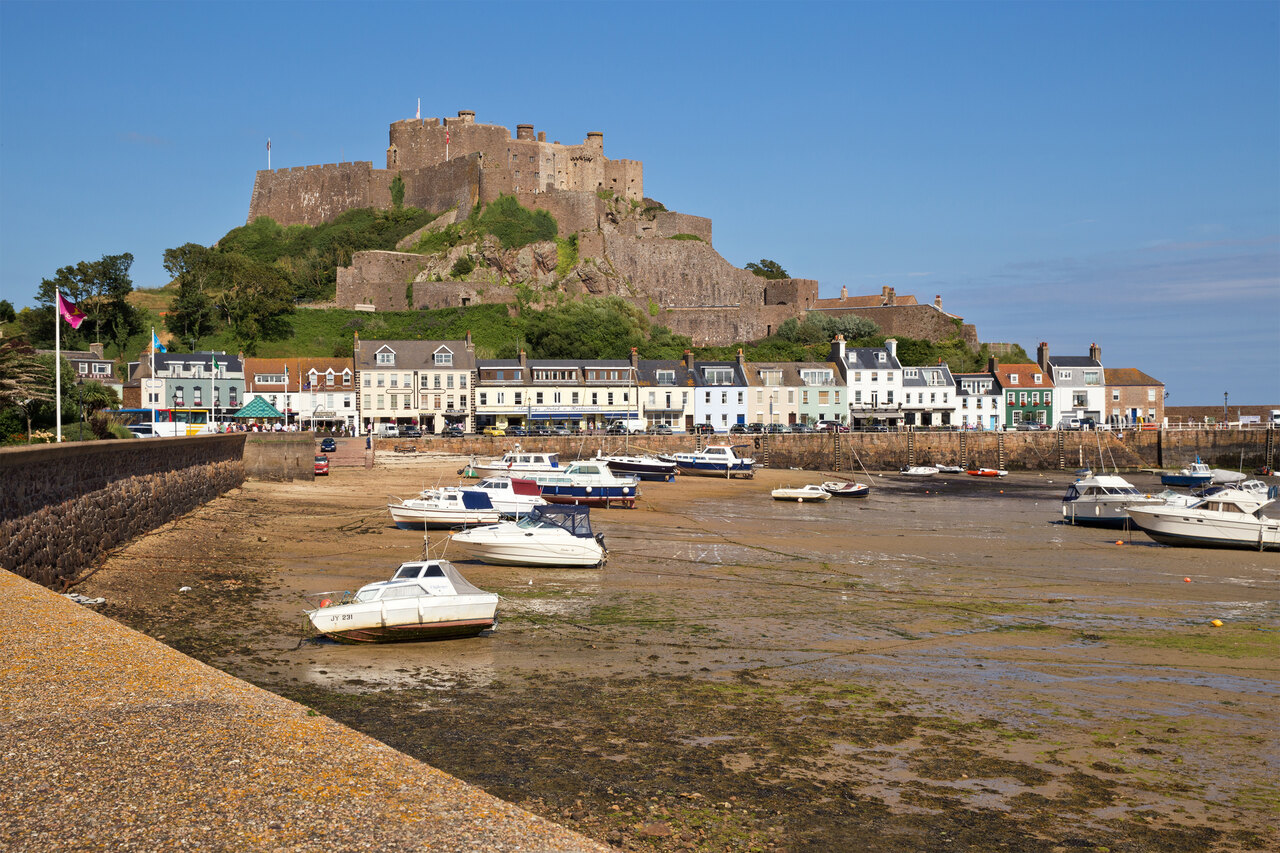
St Helier
As the capital, this area feels energetic and functional. You can easily walk from the central bus station to the historic Jersey Museum or browse the Victorian-era Central Market. The streets around King Street are dense with shops and cafes, making it the most convenient base if you prefer avoiding rental cars and night driving.
St Brelade
This is the island’s premier coastal spot, featuring a wide, sweeping bay. You can walk from the sandy shoreline to the historic St Brelade’s Parish Church or along the cliff paths to the Ouaisné headland. The area feels breezy and unhurried, with high-quality beachfront dining that stays active well into the late evening.
St John
Located in the rural north, this area feels isolated and quiet. It is defined by leafy lanes and sweeping views over the English Channel. While you are far from urban amenities, the walking trails toward Devils Hole are directly accessible. You will need a vehicle here, as public transit is infrequent compared to the south.
One thing to think about
Avoid booking accommodation solely based on 'sea views' in the remote western parishes if you do not plan to hire a car. Jersey’s bus network is excellent near the capital but sparse in the rural periphery, turning simple grocery runs or dinner outings into long, expensive taxi journeys.
Other places to stay in Jersey: lastminute.com · Megabon
Once you have a bed
The things that sell out first in Jersey are the small-group tours and the skip-the-line tickets.
Common questions
Do I need to hire a car to get around the island?
While St Helier is walkable and the bus network connects major hubs, a car is essential for reaching remote coves, northern cliff walks, and rural farm shops. Without one, you will find your itinerary constrained by bus timetables and limited evening transport options outside the main town.
What is the best time of year to visit?
Late May through September offers the most reliable weather for coastal activities. July and August are peak tourist months with crowded beaches, while May and June provide quieter trails and pleasant temperatures. Avoid late autumn and winter if you want active outdoor experiences, as many seasonal cafes and attractions close.
Is the island expensive for dining?
Dining out carries a premium, particularly in upscale coastal hotels and restaurants in St Helier. You can manage costs by utilizing the local supermarkets for picnic lunches or seeking out casual pubs in the parishes. Expect to pay significantly more for fresh seafood compared to mainland UK or continental prices.
Hotel links go to Booking.com.