Home › Hangzhou › Where to stay
Where to stay in Hangzhou
Hangzhou is defined by the circular West Lake, which acts as the city's geographical and spiritual anchor. The dense central business district lies to the east, while cultural, historic, and leisure hubs wrap around the lake's perimeter. Choosing your location is critical: staying near the lake ensures pedestrian access to parkland, whereas staying further east offers modern connectivity but requires constant reliance on the city’s efficient but sprawling metro system to reach scenic areas.
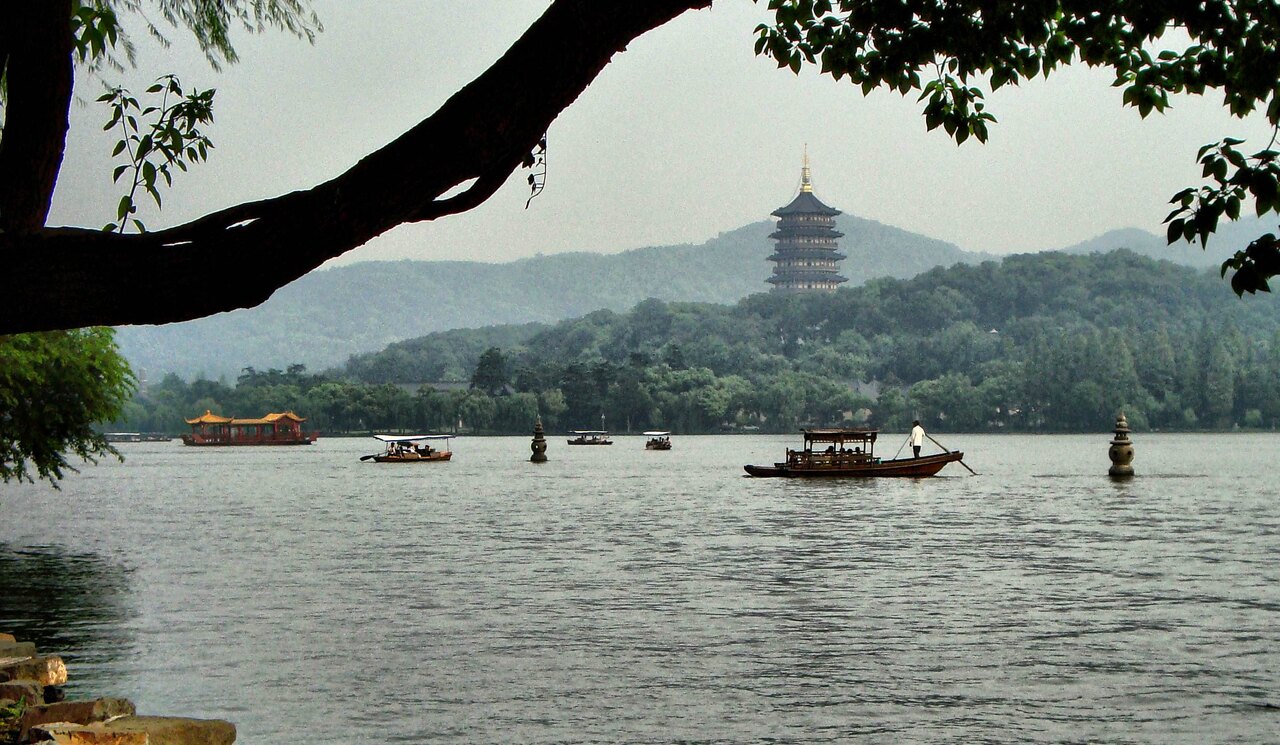
Hubin
This is the city's pulse, sitting directly on the eastern shore of West Lake. You can walk out of your hotel and immediately reach the Xihu waterfront, the Southern Song Imperial Street, and the bustling Yan'an Road. It feels polished, busy, and intensely manicured, functioning as the primary gateway for those who prioritize ease of access to major scenic water vistas.
Xihu District
Located west of the lake, this area feels significantly greener and quieter. It is highly walkable if you enjoy hilly terrain and forest trails. You are within reach of the Hangzhou Botanical Garden and the Lingyin Temple area. It feels like an extension of the natural landscape, perfect for those who prefer morning mist over city traffic.
Wulin Square
This is the commercial heart of Hangzhou, defined by its high-rise skyline and the Wulin Night Market. It is entirely paved and pedestrian-friendly for shopping purposes, though it lacks the historic charm of the lakefront. Staying here puts you on the main metro lines, making it the most practical hub for crossing the city quickly.
Shangcheng
The area preserves the flavor of the Southern Song Dynasty. You can walk along the restored He Fang Street, where historic wooden facades house tea shops and craft vendors. It feels grounded and aged compared to the sterile skyscrapers nearby. It is compact and perfect for exploring narrow alleys filled with regional delicacies on foot.
Binjiang
Located across the Qiantang River, this is the modern, futuristic side of the city. It is spacious, clean, and dominated by wide boulevards and high-tech offices. While less walkable for sightseeing, it offers a quieter atmosphere with riverfront parks that provide a unique, unobstructed view of the city skyline across the water at night.
One thing to think about
Avoid staying near the Hangzhou East Railway Station if you want a holiday atmosphere; it is functional, sterile, and overwhelmingly busy with commuters. The surrounding area lacks the cultural character of the lake districts and adds unnecessary travel time to all major sightseeing spots.
Once you have a bed
The things that sell out first in Hangzhou are the small-group tours and the skip-the-line tickets.
Common questions
Is the metro the best way to get around?
Yes, the metro is the most reliable way to navigate the sprawling city. It is cheap, clean, and covers the primary tourist hubs. However, note that once you reach the West Lake area, you must exit the station and continue on foot or by local sightseeing bus to reach the water's edge.
Do I need to carry cash for daily expenses?
While some shops accept cash, Hangzhou is almost entirely cashless. Almost everyone uses mobile payment apps like Alipay or WeChat Pay. If you are a visitor, ensure you link your international credit card to the Alipay app before arriving, as many ticket machines and vendors do not accept physical currency.
What is the best time of year to visit?
Spring, specifically March and April, is ideal for the mild weather and blooming flora around West Lake. Autumn, in October and November, is equally pleasant with lower humidity. Avoid the Chinese national holidays in early May and October, as the tourist crowds become overwhelming and hotel prices spike dramatically.
Hotel links go to Booking.com.