Home › Halifax › Where to stay
Where to stay in Halifax
Halifax is defined by the steep, fortress-crowned hill overlooking its harbour. The downtown core clings to the waterfront, while the city spreads westward through hilly residential streets. Choosing where to stay means balancing proximity to the busy boardwalk against access to the more quiet, character-filled university districts. Because the city is compact, you can easily traverse the central peninsula on foot, provided you are prepared to handle the significant incline as you climb away from the ocean.
Rent a car in Halifax
Compare rental cars from local and international companies, with free cancellation on most bookings.
Compare car rentals in HalifaxDowntown Halifax
This is the city's pulse, centred around the historic Halifax Waterfront Boardwalk. You can walk to the Maritime Museum of the Atlantic, the Halifax Ferry Terminal, and the endless pubs along Argyle Street. It is loud, vibrant, and packed with heritage architecture. You are steps from major hotels and commercial transit hubs, making it an ideal base for short, high-energy trips.
North End
The North End feels like a tight-knit village with colourful residential houses and industrial-chic transformations. It is extremely walkable, with Gottingen Street serving as a hub for record shops and cafes. You are within reach of the Hydrostone District, known for its unique English-garden style architecture. It offers a cooler, less polished perspective on the city compared to the waterfront tourist zones.
South End
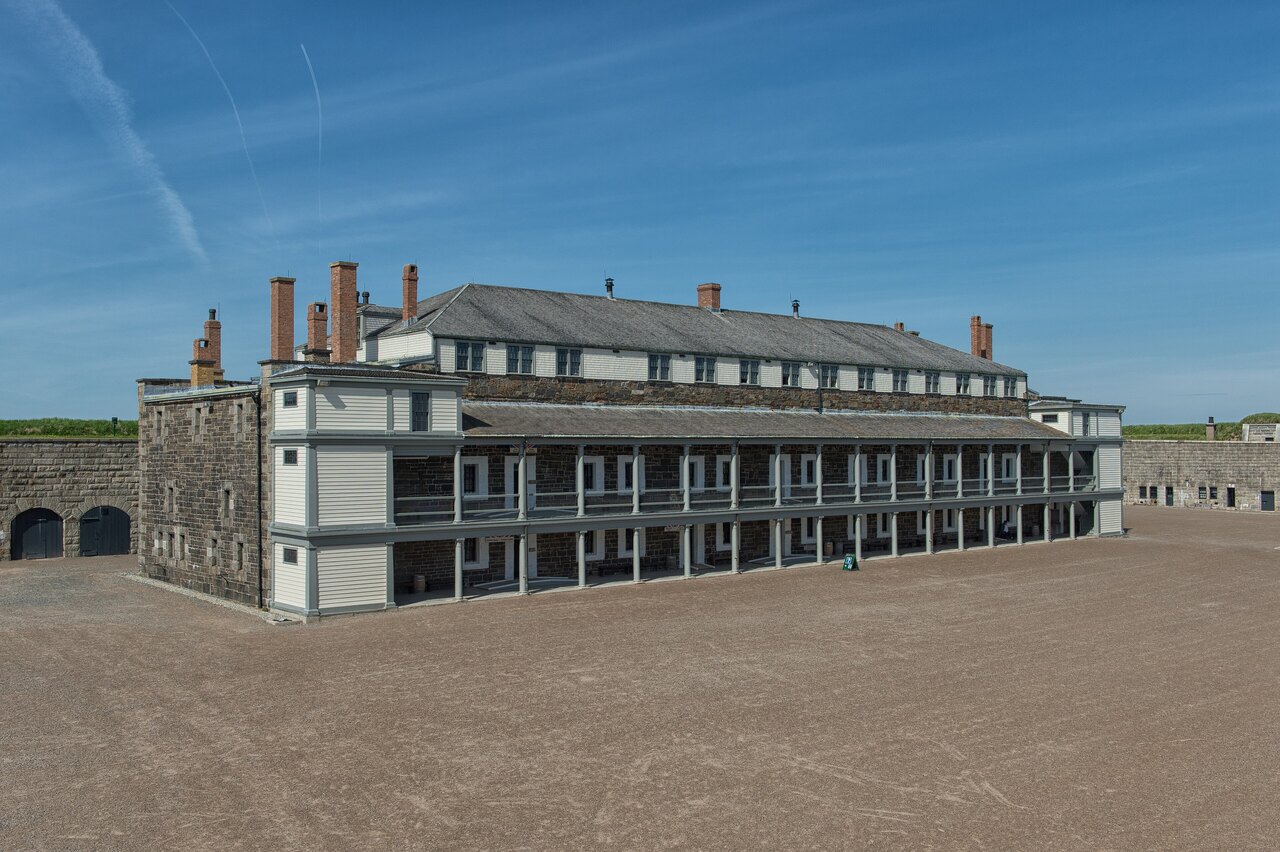
Dominated by Dalhousie University and Saint Mary’s University, this area is defined by massive Victorian homes and tree-lined streets. You are walking distance from the Halifax Public Gardens and the Citadel Hill fortress. It is far calmer than downtown, providing a serene residential experience while remaining close enough to the waterfront to reach the main action within a twenty-minute walk or quick bus ride.
One thing to think about
Avoid booking accommodation solely based on price near the major highway interchanges on the peninsula's periphery. You will end up isolated from the waterfront and cultural sites, forcing you into expensive taxi rides or frustrating bus connections to experience what you actually came to see.
Once you have a bed
The things that sell out first in Halifax are the small-group tours and the skip-the-line tickets.
Top tours & activities
Common questions
Is a rental car necessary for a trip to Halifax?
If you stay on the peninsula, a car is a burden rather than an asset. Parking is expensive and scarce, and the primary attractions are clustered together. Only rent a car if you plan to venture out to Peggy’s Cove, the South Shore, or the Annapolis Valley for day trips.
What is the best way to travel between Halifax and Dartmouth?
The Halifax Transit ferry is the most efficient and scenic way to cross the harbour. It runs regularly, costs very little, and provides a superior view of the Halifax skyline. It is much faster than driving across the bridges during peak rush hour, which can suffer from significant traffic delays.
When is the best time of year to visit the city?
July through September offers the most reliable weather for walking the boardwalk and exploring outdoor sites. While Halifax is beautiful in the winter, the steep hills become treacherous with ice, and many coastal attractions outside the city centre significantly reduce their hours or close entirely until the spring thaw arrives.
Hotel links go to Booking.com.