Home › Gran Canaria › Where to stay
Where to stay in Gran Canaria
Gran Canaria is a microcosm of climates and topographies, split between the arid, dune-filled south and the rugged, verdant north. Your experience changes drastically based on your chosen region; the south offers reliable sun and purpose-built resorts, while the north is defined by colonial heritage, dramatic cliffs, and local island life. Choosing a base requires prioritizing either immediate beach access or proximity to the island’s mountainous interior and historic capital city.
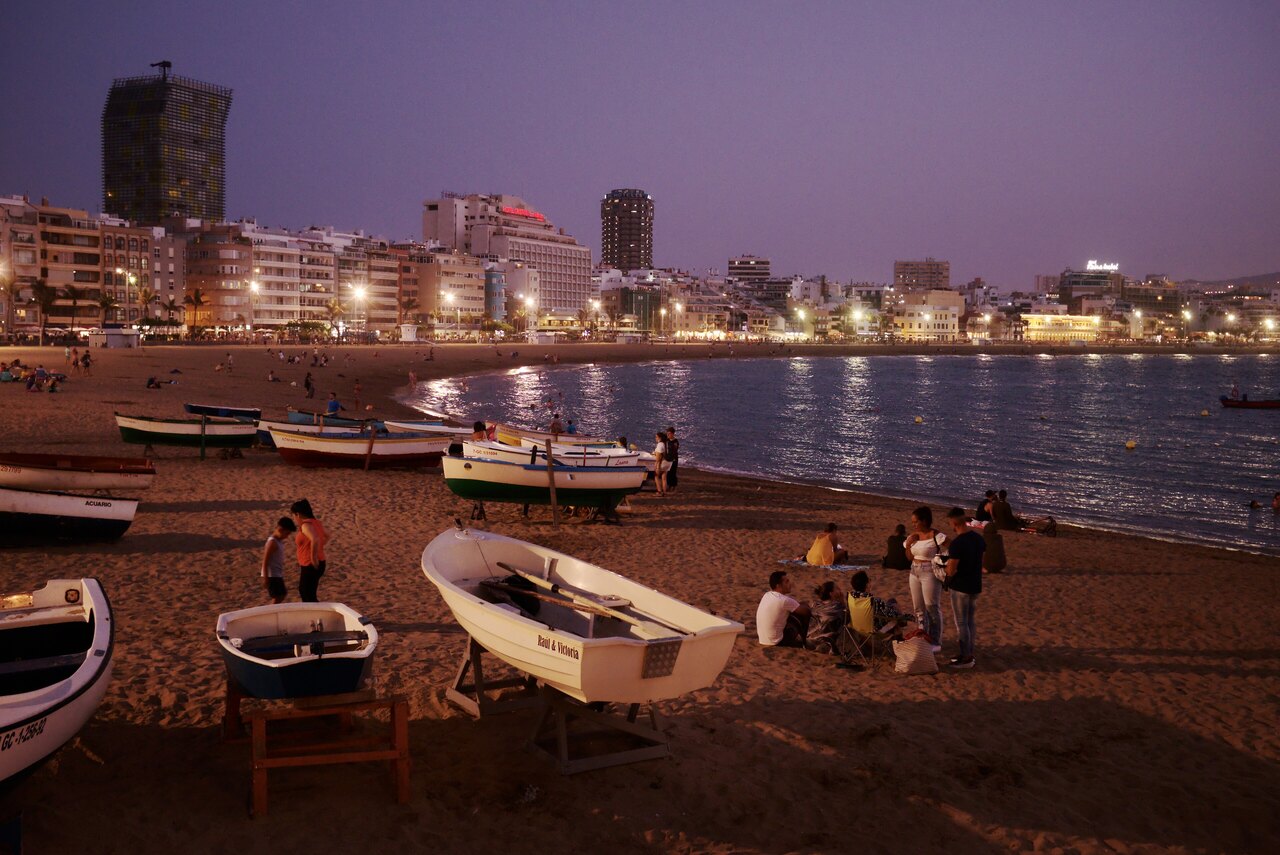
Las Palmas de Gran Canaria
This is a dense, bustling city where you can walk from the golden sands of Las Canteras beach to the historic colonial architecture of Vegueta in under an hour. The streets are lined with authentic tapas bars and local shops rather than tourist chains. You are steps away from the Casa de Colón and the bustling Mercado del Puerto, making it a perfect hub for food and architecture.
Maspalomas
The area feels manicured and expansive, centered around the Maspalomas Lighthouse and the vast nature reserve of the sand dunes. It is highly walkable if you stay near the promenade, which connects the main resort hotels directly to the beachfront. You are never more than a short stroll from high-end dining and the extensive coastal paths that stretch toward Meloneras.
Puerto de Mogán
Known as the 'Little Venice' of the island, this area features narrow canals, whitewashed buildings adorned with bougainvillea, and a charming marina. It is incredibly compact and pedestrian-friendly, meaning everything from your breakfast spot to the calm swimming cove is just a few minutes of walking away. It feels intimate, sleepy, and perfectly suited for sunset strolls along the harbor walls.
One thing to think about
Avoid booking accommodation deep within the concrete high-rise clusters of Playa del Inglés if you value silence. The density of nightlife and massive resort complexes creates a permanent ambient hum that lasts until dawn, turning your holiday into an endurance test of noise rather than a relaxing retreat.
Other places to stay in Spain: lastminute.com · Megabon
Once you have a bed
The things that sell out first in Gran Canaria are the small-group tours and the skip-the-line tickets.
Common questions
Do I need to rent a car?
Public transport is efficient, but if you want to explore the central mountains or reach remote coastal coves, a car is essential. Roads are winding and steep, so choose a small vehicle to navigate narrow village streets. If you only plan to stay in your resort, public buses are sufficient.
Which coast is better for swimming?
The south coast is definitively better for swimming. The beaches in the north, like those around Las Palmas, are prone to rough Atlantic swells and cooler water temperatures. In the south, the currents are gentler and the water stays significantly warmer, making it ideal for casual swimming and long days on the sand.
Is the north too rainy for a vacation?
The north is significantly more humid and subject to the 'panza de burro'—a low-hanging cloud cover that often settles over the mountains and northern coast. While it rarely results in torrential rain, you will experience more overcast days here compared to the consistently bright, arid skies of the southern resort areas.
Hotel links go to Booking.com.