Home › Frankfurt › Where to stay
Where to stay in Frankfurt
Frankfurt is physically defined by the Main River and its compact, high-density center. The city core is highly walkable, centered around the financial district, while residential pockets extend outward. Choosing your base depends on whether you prefer the convenience of the central transit hub, the riverside cultural scene, or quieter, leafy residential suburbs. Efficient U-Bahn and S-Bahn connections ensure that even further-out districts remain practical for travelers wanting to avoid the immediate urban bustle.
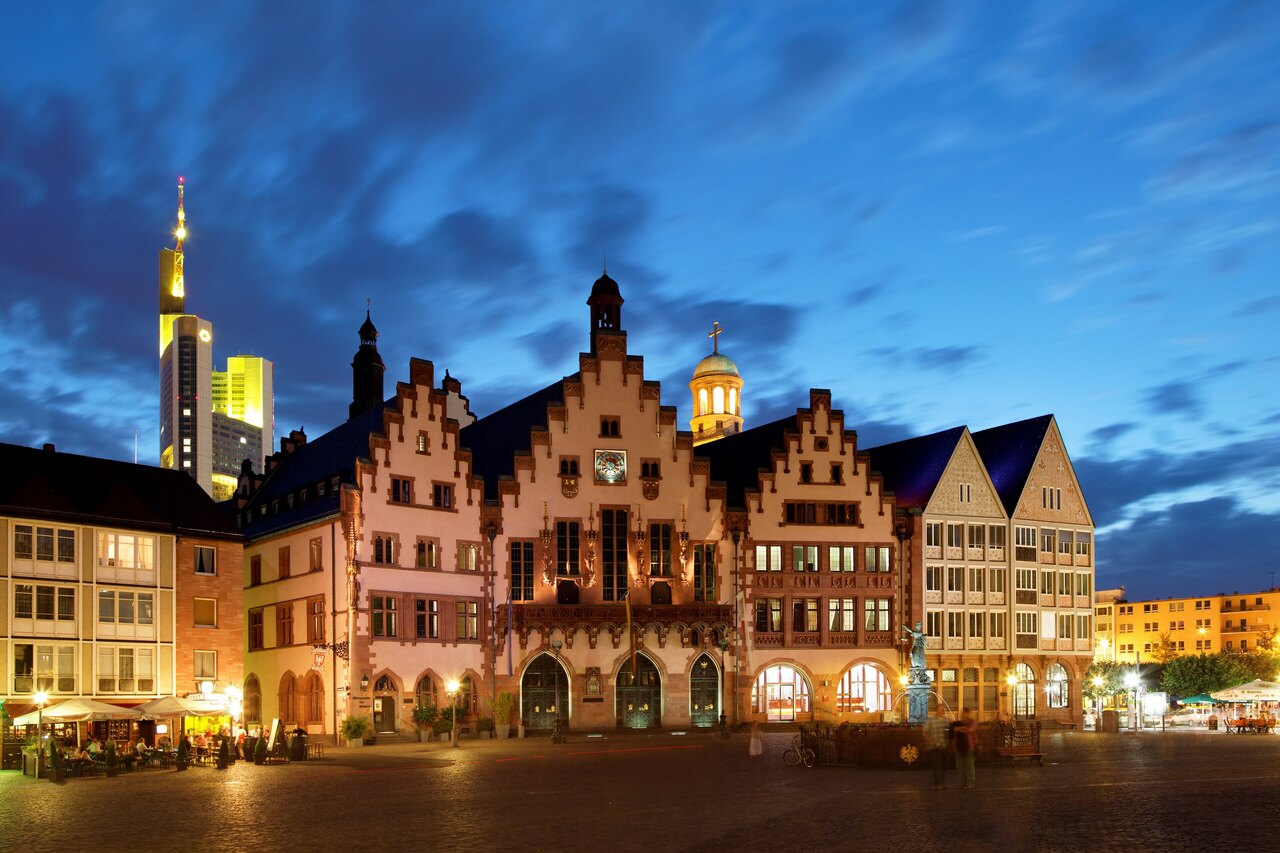
Innenstadt
This is the high-energy business heart, characterized by soaring skyscrapers and luxury retail along the Zeil. You are steps away from the Hauptwache transit hub, making it the most practical spot for airport arrivals. Walking here is intense and urban, with the stock exchange and the historic cathedral just minutes away. Expect a constant flow of commuters and high-end storefronts.
Sachsenhausen
Located just south of the Main, this district feels like a collection of traditional villages. It is home to the famous cider taverns of Affentorplatz and the Museumsufer, a stretch of world-class cultural institutions. It is extremely walkable, offering a mix of cobblestone streets and cozy local spots. You can reach the city center in ten minutes by walking across the Eiserner Steg bridge.
Westend
Westend is synonymous with elegant Wilhelminian-style architecture and wide, leafy boulevards. It feels distinctly residential and upscale, housing wealthy residents and international consulates. Walking here is peaceful, with easy access to the expansive Grüneburgpark and the Palmengarten botanical gardens. It offers a sophisticated alternative to the sterile downtown high-rises while remaining perfectly positioned for walking to the financial district.
Nordend
This area thrives on its bohemian energy and street-level vitality. It is densely packed with independent eateries and cafes, particularly around Berger Straße, which serves as the neighborhood's main artery. It is entirely walkable and feels far removed from the banking district's corporate aesthetic. It offers a more authentic perspective on Frankfurt’s residential lifestyle, with easy tram access to the city core.
Bahnhofsviertel
This district is undeniably gritty and intense, serving as a hub for diverse nightlife and international cuisine. It is within a five-minute walk of the Hauptbahnhof, making it the ultimate location for those catching early morning trains. The streets are lined with a mix of wholesale shops and late-night bars, creating an atmosphere that is chaotic, loud, and undeniably central.
One thing to think about
Avoid booking accommodation directly adjacent to the immediate perimeter of the Hauptbahnhof if you are a light sleeper. The constant rail noise, high traffic volumes, and late-night activity in this specific transit corridor can be disruptive throughout the night, despite the convenience of the location.
Other places to stay in Germany: lastminute.com · Megabon
Once you have a bed
The things that sell out first in Frankfurt are the small-group tours and the skip-the-line tickets.
Common questions
Is it necessary to use public transport within the city center?
For the most part, no. If you stay in Innenstadt, Sachsenhausen, or the border of Westend, the core city is compact enough to navigate entirely on foot. You will only truly need the U-Bahn or trams if you are traveling to outlying districts, the Palmengarten, or the fairgrounds during peak conference seasons.
Which area is best for a quiet, relaxing stay?
Westend is your best choice for a quiet visit. Unlike the bustling downtown or the lively nightlife hubs of Sachsenhausen and Nordend, Westend offers tree-lined streets, residential tranquility, and beautiful parks. It remains centrally located, allowing you to walk to major attractions while retreating to a significantly calmer environment at night.
What is the best way to travel from Frankfurt Airport to my accommodation?
The S-Bahn (lines S8 or S9) is the fastest and most efficient method. Trains run every 15 minutes and deposit you at the Hauptbahnhof or Hauptwache in roughly 15 minutes. Taxis are significantly more expensive and often caught in traffic, making the rail connection the standard choice even for travelers with luggage.
Hotel links go to Booking.com. If you book through them TonyPlan earns a small commission — the price you pay is exactly the same.