Where to stay in Denver
Denver is a sprawling grid centered on the Union Station transit hub. To the north and east, former industrial zones have transformed into dense residential hubs. To the south, neighborhoods retain historic architecture and leafy, slower-paced streets. Choosing your location depends entirely on your transport strategy; if you stick to the central light rail lines, you can easily access the mountains, but stay near the core if you prefer walking to breweries and cafes.
LoDo
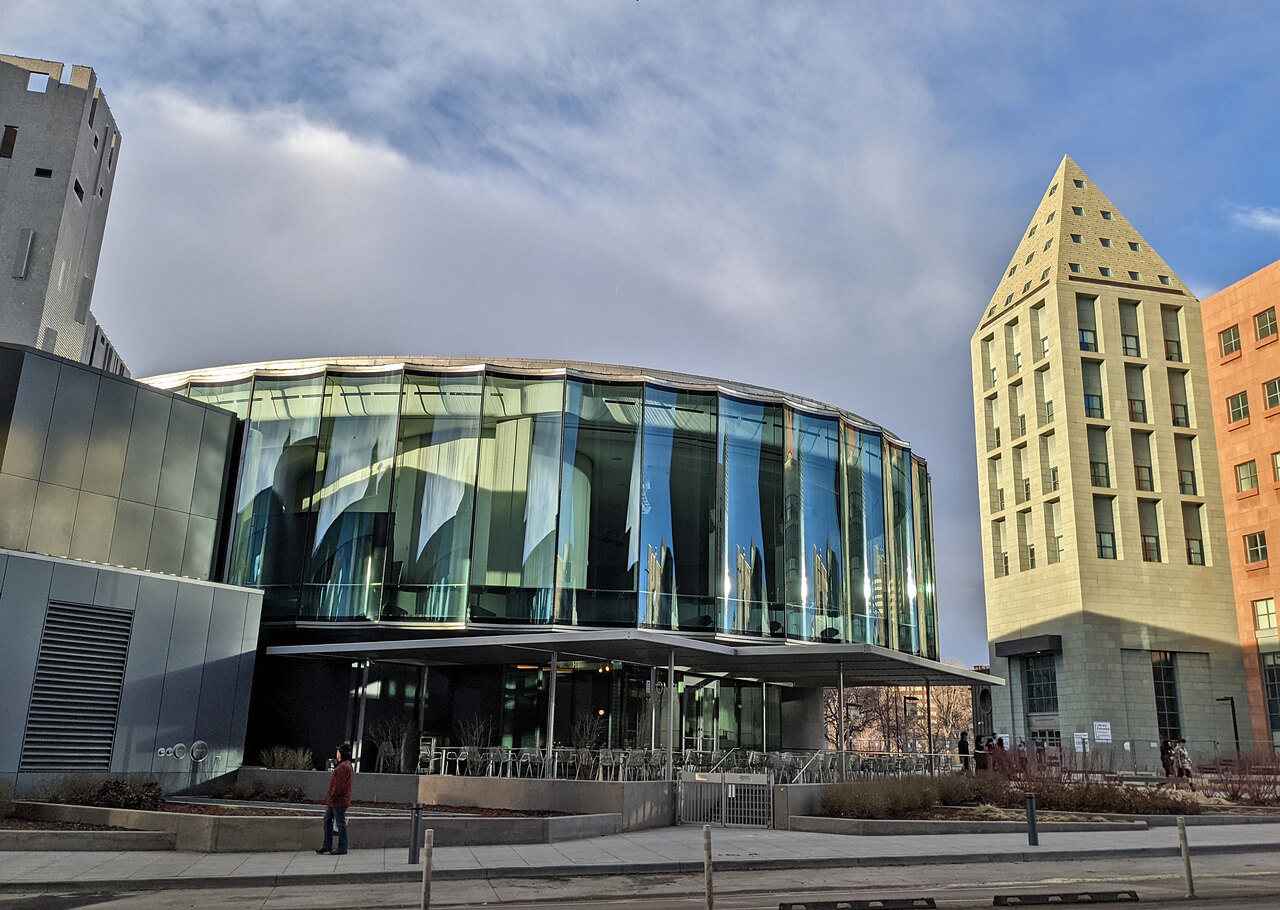
This is the city's pulsing heart, defined by the restored Union Station and the nearby Coors Field. It feels busy, paved, and commercial, but highly convenient. You can walk to dozens of restaurants on Larimer Square or catch the A-Line train directly to the airport. It is loud, vibrant, and constantly active until late in the evening.
RiNo
RiNo feels gritty and creative, dominated by converted warehouses and vibrant mural-filled alleys. Walking along Larimer Street puts you right in the center of food halls and taprooms. It is a dense, flat area perfect for pedestrians who enjoy an urban, industrial vibe, though it lacks the historic residential charm found further south.
Capitol Hill
This is the city's most densely populated neighborhood, filled with older brick apartment buildings and tree-lined streets. It feels lived-in and eclectic. You are within walking distance of the Colorado State Capitol, the Denver Art Museum, and the eccentric shops along Colfax Avenue. It is the best place to experience authentic local daily life.
Highlands
The Highlands feels like an elevated residential village. Walking along West 32nd Avenue brings you to independent boutiques, quiet porches, and high-end dining. It is separated from the core by the highway, so while it feels serene and upscale, you will rely more on short rideshares to reach major downtown event venues.
Cherry Creek
Cherry Creek feels suburban-refined. The primary attraction is the Cherry Creek Shopping Center and the surrounding boutique-lined streets. It is incredibly walkable within its own borders, featuring wide, clean sidewalks and easy access to the Cherry Creek Trail, a paved path that connects the area to the urban core by bike.
Rent a car in Denver
Compare rental cars from local and international companies, with free cancellation on most bookings.
Compare car rentals in DenverOne thing to think about
Avoid booking accommodation directly along East Colfax Avenue if you are sensitive to noise. While it is the main artery for transit, the constant stream of traffic and late-night activity makes for poor sleep quality compared to the quieter, internal side streets just a few blocks away.
Once you have a bed
The things that sell out first in Denver are the small-group tours and the skip-the-line tickets.
Top tours & activities in Denver
Common questions
Do I need a rental car in Denver?
Unless you plan to ski or hike in the mountains every day, a car is a liability. Parking downtown is expensive and traffic is dense. Within the city, use the extensive light rail system, e-bikes, or rideshares. Rent a car only on the specific mornings you plan to leave the city for the Rockies.
When is the best time of year to visit?
September and October offer the most consistent weather, characterized by crisp, cool mornings and clear, sunny afternoons. You avoid the peak summer heat and the unpredictable spring snowstorms. If you are specifically interested in fall foliage, head into the higher elevations during the last two weeks of September for the peak golden aspen colors.
How do I get from the airport to downtown?
Take the University of Colorado A-Line commuter train. It runs from the airport terminal directly to Union Station in downtown Denver. It is reliable, costs significantly less than a rideshare, and takes roughly 37 minutes. From Union Station, you can walk to most major downtown hotels or transfer to local light rail lines.
Hotel links go to Booking.com. If you book through them TonyPlan earns a small commission — the price you pay is exactly the same.