Home › Cornwall › Where to stay
Where to stay in Cornwall
Cornwall spans a long, narrow peninsula in England's far southwest, bounded by the rugged Atlantic coast to the north and gentler English Channel bays to the south. Because single-carriageway roads make traveling from end to end slow, your base dictates your holiday. Choose the south coast for calmer waters and historic ports, the north for Atlantic surf and high cliffs, or West Penwith for dramatic, isolated landscapes.
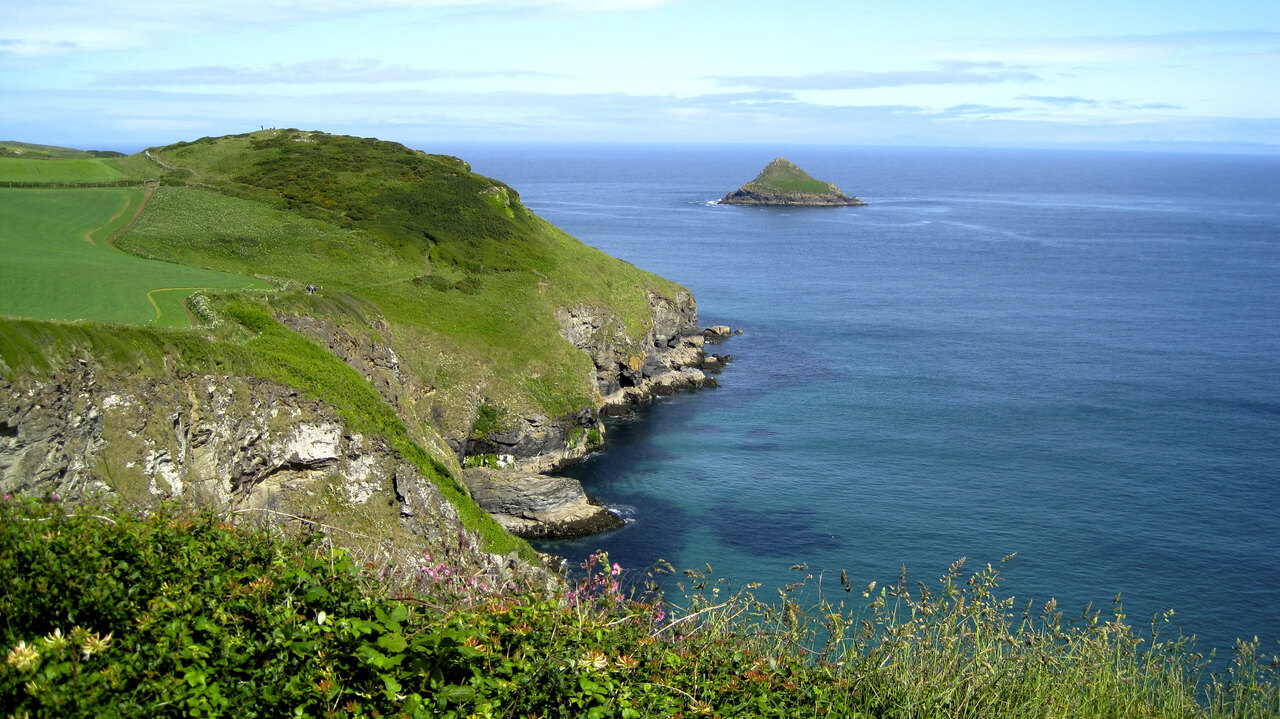
St Ives
St Ives is built around a tight network of cobbled lanes, granite cottages, and golden beaches. Staying downtown means walking to Tate St Ives, Barbara Hepworth Museum, and Porthmeor Beach in under ten minutes. It feels undeniably romantic, though narrow streets crowd quickly in midsummer. Fore Street provides excellent independent dining, while the branch line train offers easy scenic access without parking hassles.
Newquay
Unlike Cornwall's quiet fishing villages, Newquay is a lively hub perched above dramatic ocean cliffs. Walk straight from town to Fistral Beach for ocean waves, or stroll down to Towan Beach at low tide. The coastal path connects headlands seamlessly. Nights center around the lively pubs and seafood bars along Bank Street, offering a gritty, energetic contrast to the tranquil south coast.
Falmouth
Situated on the sheltered southern coast, Falmouth mixes a vibrant university population with deep seafaring history. Walk down Church Street and Arwenack Street to explore local craft shops, bakeries, and dockside pubs. You can walk to the National Maritime Museum Cornwall, take ferries across the estuary to St Mawes, or stroll to Gyllyngvase Beach for calm morning swims.
Padstow
Positioned on the Camel Estuary, Padstow revolves around its active harbour, surrounded by Rick Stein establishments and upscale boutiques. It feels refined and busy. From the quay, you can step directly onto the flat Camel Trail to bike along the river to Wadebridge, or follow the South West Coast Path out to Stepper Point for sweeping estuarine views.
One thing to think about
Avoid relying on St Ives or Padstow as bases if you plan to drive in and out daily during July or August. Traffic bottlenecks on single-lane roads and near-impossible harbour parking will drain hours from your day.
Other places to stay in United Kingdom: lastminute.com · Megabon
Once you have a bed
The things that sell out first in Cornwall are the small-group tours and the skip-the-line tickets.
Common questions
Do I need a car to get around Cornwall?
Having a car offers the ultimate flexibility for reaching remote coves and rugged headlands. However, staying in well-connected towns like St Ives, Falmouth, or Newquay allows you to rely on local buses, passenger ferries, and branch-line trains for a low-stress coastal trip.
Which coast is better: North or South?
The North Coast faces the Atlantic, characterized by dramatic cliffs, expansive sandy beaches, and world-class surfing. The South Coast, often called the Cornish Riviera, features sheltered estuarine waters, lush sub-tropical gardens, calm swimming coves, and historic maritime towns ideal for sailing.
When is the best time of year to visit?
May, June, and September offer the sweet spot. You get long daylight hours, milder weather, and open attractions without the grueling bumper-to-bumper traffic, booked-out restaurants, and crowded beaches typical of the peak school summer holidays in July and August.
Hotel links go to Booking.com.