Home › Cluj-Napoca › Where to stay
Where to stay in Cluj-Napoca
Cluj-Napoca pivots around its medieval core, extending outward into leafy residential zones and the modern hubs of its thriving tech industry. The city center is largely walkable, concentrated around the central square and university districts. If you stay on the periphery, you will rely on the reliable trolleybus and bus network to bridge the distance to the cobblestoned old town. Picking a base near the historic axis saves considerable time navigating the city’s hilly topography.
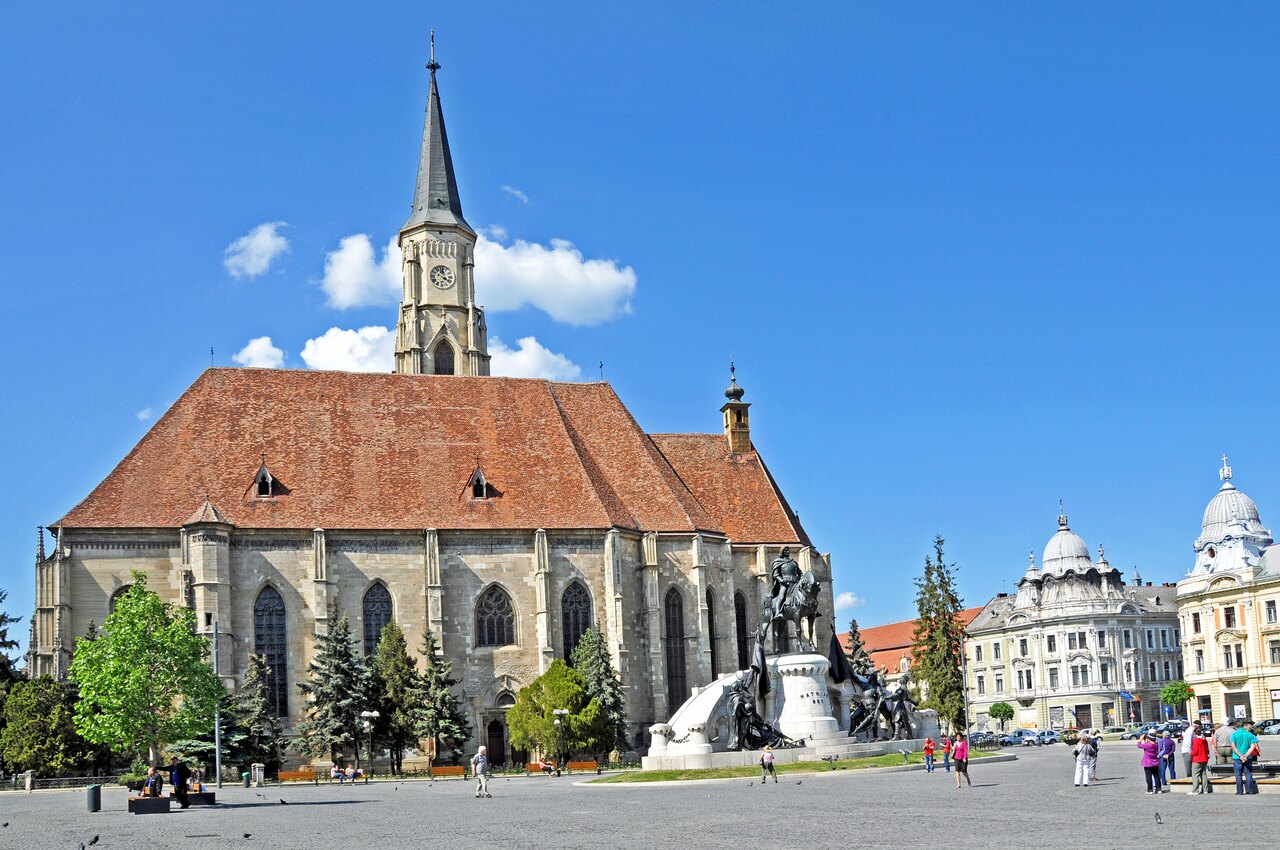
Centru
This is the city's pulse, defined by grand Austro-Hungarian architecture and the towering St. Michael's Church. You are steps away from the Potaissa Street medieval walls and the Museum Square. It feels dense and energetic, packed with terrace dining. Everything from the National Theatre to the botanical garden is easily accessible on foot, making it the most practical hub.
Gheorgheni
A sprawling, well-planned district known for its clean streets and large parks like Iulius Park. It is calmer than the center but still connected by a short bus ride. The area is highly functional, featuring proximity to a large shopping mall and academic buildings. It lacks the historic charm of the core but offers a more authentic view of local suburban life.
Grigorescu
This area offers a more relaxed, neighborhood-focused pace. It is defined by its long riverfront walkway and views toward the Hoia Forest. While you will need to take a bus to reach the main historic monuments, the walk into the center along the riverbank is pleasant. It is primarily residential with functional amenities rather than tourist sights.
Zorilor
Located on a hill south of the center, this area is home to many university students. It has a high density of small grocery stores and quick-service eateries catering to a younger crowd. It feels less polished than the center, with a mix of communist-era blocks and new builds. The commute downward to the center is easy, though the return hike is steep.
One thing to think about
Avoid staying near the main Gara Cluj-Napoca train station. While it seems convenient for arrivals, the surrounding area lacks charm, feels sterile, and requires a bus or long walk to reach any of the city's actual points of interest or dining scenes.
Other places to stay in Romania: lastminute.com · Megabon
Once you have a bed
The things that sell out first in Cluj-Napoca are the small-group tours and the skip-the-line tickets.
Common questions
Is Cluj-Napoca walkable?
The historic center is very walkable and compact, but the city becomes quite hilly as you move toward the residential districts like Zorilor. While you can walk from the center to most major sights, you will likely need to use the efficient bus system or rideshare apps to reach peripheral neighborhoods or the Hoia Forest area.
What is the best way to get around the city?
The public transport system, specifically the trolleybuses, is excellent and covers almost every major district. You can pay for tickets using the 24Pay app or contactless cards directly on the vehicles. For late-night travel or reaching locations outside the primary bus routes, ridesharing apps like Bolt and Uber are widely used and very affordable.
Do I need to carry cash for daily expenses?
Romania is highly digitized, and you can pay by card in almost every cafe, shop, and restaurant in Cluj-Napoca. Even small kiosks often accept contactless payments. It is rarely necessary to carry physical currency, though keeping a small amount of Romanian Leu on hand for local markets or small tips is occasionally useful.
Hotel links go to Booking.com.