Home › Chianti › Where to stay
Where to stay in Chianti
Chianti is not a single city but a rugged region between Florence and Siena, defined by rolling vineyards and hilltop stone villages. Your base dictates your mobility; staying in larger towns offers transit access, while remote villas require a rental car for basic errands. Geography is steep, meaning proximity to a town center significantly impacts your ability to walk to dinner versus relying on winding, narrow country roads after dark.
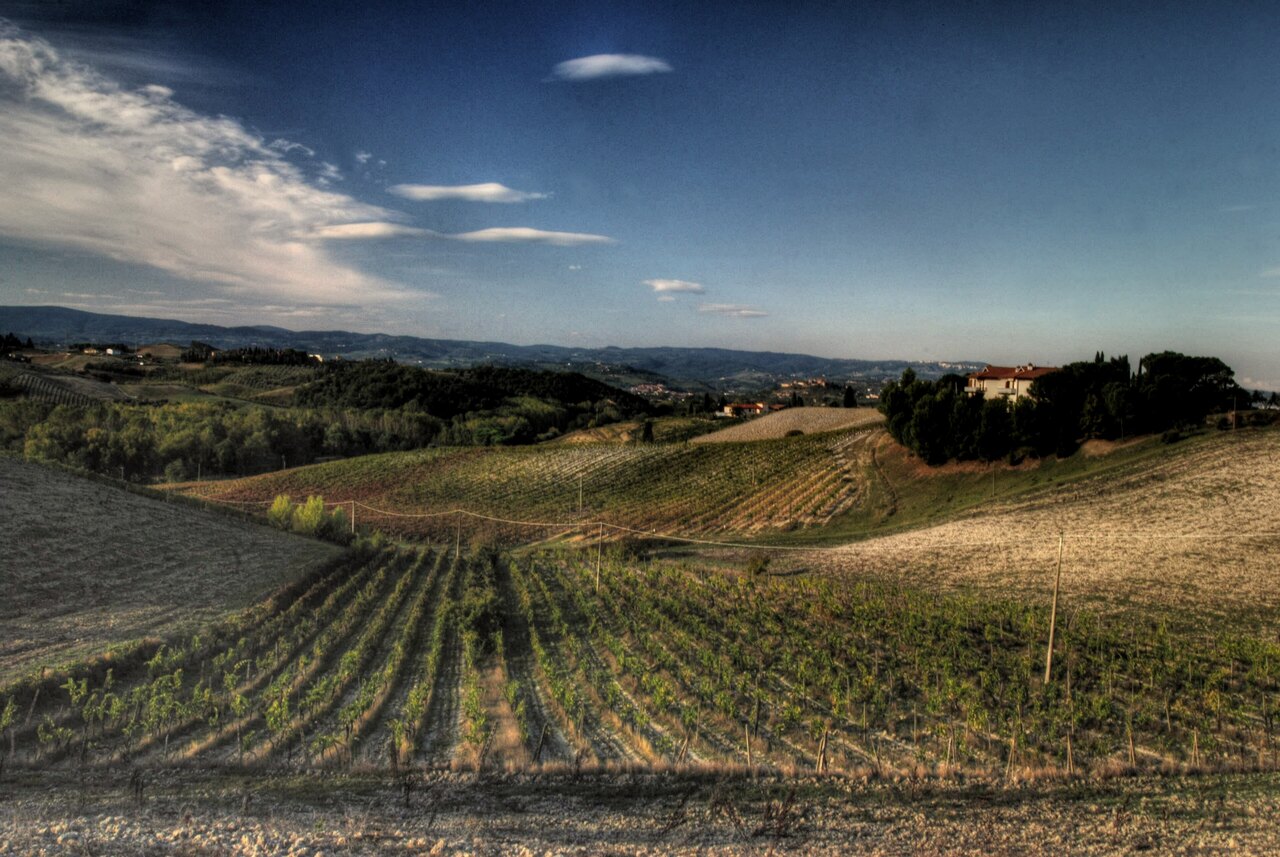
Greve in Chianti
This town feels like a bustling commercial heart rather than a quiet hamlet. You can walk from the famous triangular Piazza Matteotti to local enotecas and the historic Falorni butcher shop within minutes. It serves as the region’s gateway, making it perfect if you want a social atmosphere without needing to navigate complex gravel driveways.
Castellina in Chianti
Set on a ridge, it offers sweeping valley views and a medieval core that feels authentic yet accessible. You can easily walk the Via delle Volte, a historic tunnel-like street carved into the town walls. It feels sophisticated and quiet, with a concentration of high-quality restaurants that are easily reached on foot from central stone guesthouses.
Radda in Chianti
Radda feels like a fortified balcony overlooking the region. It is compact and entirely walkable, characterized by winding alleys and an impressive Palazzo del Podestà. Life here centers on the small central piazza where locals gather for evening drinks. It is best for those who prefer charming stone architecture over convenience-store accessibility or public transport links.
One thing to think about
Avoid staying in unmarked rural villas without a pre-confirmed GPS coordinate, as many are located down unlit, kilometer-long gravel tracks. In the summer, avoid the main transit corridors near the SR222 highway during peak hours, as heavy coach traffic can make short drives surprisingly long and stressful.
Other places to stay in Italy: lastminute.com · UNA Italian Hospitality · Megabon
Once you have a bed
The things that sell out first in Chianti are the small-group tours and the skip-the-line tickets.
Common questions
Do I need a car to stay in Chianti?
Yes, a car is essential. While larger towns like Greve have limited bus connections to Florence, these services are infrequent and insufficient for exploring the wider region. To visit vineyards, remote hamlets, or reach villas located outside of town centers, having your own vehicle is mandatory for any meaningful travel.
When is the best time to visit?
Late spring and early autumn are ideal. May and June provide lush greenery and temperate weather for walking village streets. September and October bring the grape harvest and vibrant fall foliage. Avoid July and August if you dislike intense heat, which makes midday exploration of stone-paved hill towns quite physically draining.
Can I walk between the villages?
Technically yes, via the 'Sentierelsa' or local forest trails, but it is not practical for daily transport. Distances are longer than they appear on maps due to the steep terrain. Walking between villages is best treated as a full-day hiking activity rather than a way to commute for dinner or sightseeing.
Hotel links go to Booking.com.