Home › Budapest › Where to stay
Where to stay in Budapest
Budapest is physically divided by the Danube. Buda, on the hilly west bank, offers quiet, leafy residential streets and grand historical sites. Pest, on the flat east bank, functions as the city's pulsing heart, packed with nightlife, dense architecture, and commercial energy. Choosing where to stay depends on whether you prioritize the calm elevation and proximity to thermal baths or the convenient access to the ruin bars and transit hubs of the city center.
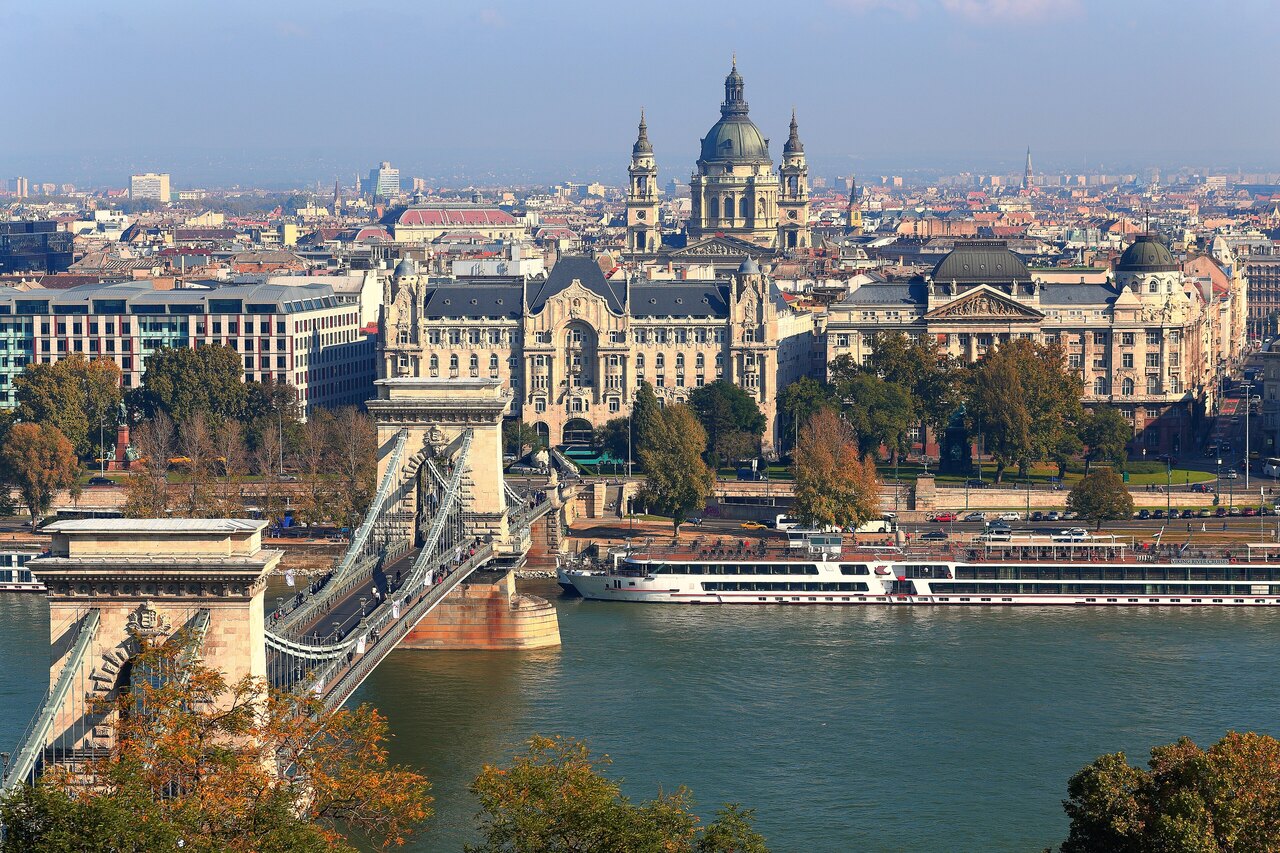
District V (Belváros)
This is the absolute center of Pest. It feels polished, historic, and imposing, with the massive neo-Gothic Parliament building dominating the northern end. You are within a ten-minute walk of St. Stephen's Basilica and the upscale Váci utca shopping street. It is ideal for sightseeing, though you will be surrounded by tourists and higher-end dining options from the moment you step outside.
District VII (Erzsébetváros)
This is the former Jewish Quarter, defined by high-density blocks, grimy-chic aesthetics, and immense nightlife energy. You can walk to the Great Synagogue or Szimpla Kert in minutes. The streets are loud, crowded, and vibrant until the early morning. It is dense with street food spots and bars, making it the most practical hub for those who plan to stay out late.
District I (Várkerület)
Set on the Buda side, this area encompasses the Castle District. It feels like a village frozen in time with cobblestone streets, steep inclines, and panoramic views of the Danube. It is entirely walkable, leading you straight to Fisherman’s Bastion and Matthias Church. Expect a slower pace of life, fewer transit options, and a notable lack of late-night noise compared to the Pest side.
District VI (Terézváros)
This district is defined by Andrássy út, the city's grand boulevard lined with Neo-Renaissance mansions. Walking south takes you to the State Opera House, while walking north leads to the sprawling City Park. The area offers a mix of residential calm and cultural attractions, providing a sophisticated transition between the high-energy downtown and the quieter outer edges of the city.
District IX (Ferencváros)
Moving south from the center, this district feels more lived-in and industrial-chic. You can walk to the Great Market Hall or along the Danube promenade. It features the Ráday utca restaurant row, which is cheaper and less crowded than the central tourist traps. It is well-connected by tram, making it a functional choice for those who don't mind a short ride to reach the primary sights.
Rent a car in Budapest
Compare rental cars from local and international companies, with free cancellation on most bookings.
Compare car rentals in BudapestOne thing to think about
Avoid booking accommodation directly on the main thoroughfares of Districts V and VII if you are a light sleeper. The combination of late-night trams, rowdy pub-crawlers, and heavy stone-walled echoes creates significant noise pollution that persists well into the early morning hours.
Other places to stay in Hungary: lastminute.com · Megabon
Once you have a bed
The things that sell out first in Budapest are the small-group tours and the skip-the-line tickets.
Top tours & activities in Budapest
Common questions
Do I need a rental car to get around Budapest?
Absolutely not. Budapest has a world-class public transport network featuring trams, buses, and an extensive metro system. Using a car is a liability; parking is expensive and restricted, and the city’s layout is designed for pedestrians and trams. You will reach almost anywhere faster and cheaper using the 'BudapestGO' app for tickets and navigation.
Which side of the river is better for a first-time visitor?
Pest is generally better for first-timers. It houses the majority of the city's museums, restaurants, ruin bars, and transit hubs, meaning you spend less time commuting. Buda is beautiful and relaxing, but you will likely find yourself crossing the bridges into Pest every single day for activities, which can become tedious if you are there for a short stay.
Are the thermal baths worth the price and travel?
Yes, visiting a thermal bath is essential to the Budapest experience. Széchenyi is the most iconic but heavily crowded, while Rudas or Gellért offer distinct historical settings. They are very accessible by public transport. Book your entry online in advance to skip the queues, and remember to bring your own flip-flops and a towel to avoid expensive on-site rental fees.
Hotel links go to Booking.com. If you book through them TonyPlan earns a small commission — the price you pay is exactly the same.