Home › Bristol › Where to stay
Where to stay in Bristol
Bristol is defined by its steep hills and the dramatic Avon Gorge, with the city centre acting as a bustling, concrete-heavy hub surrounded by distinct, character-rich villages. Choosing where to stay dictates your terrain: pick the harbourside for flat, central access or head up to Clifton for leafy, grand architecture. Most top attractions are clustered around the floating harbour, but the best independent atmosphere lives in the residential pockets radiating outwards.
Harbourside
This is the city's pulse, featuring converted warehouses and a flat promenade. You can walk to the M Shed museum, the SS Great Britain, and Wapping Wharf’s shipping container eateries within ten minutes. The area feels industrial yet polished, offering expansive water views. It is the most practical base for short-stay visitors prioritizing convenience and central connectivity.
Clifton
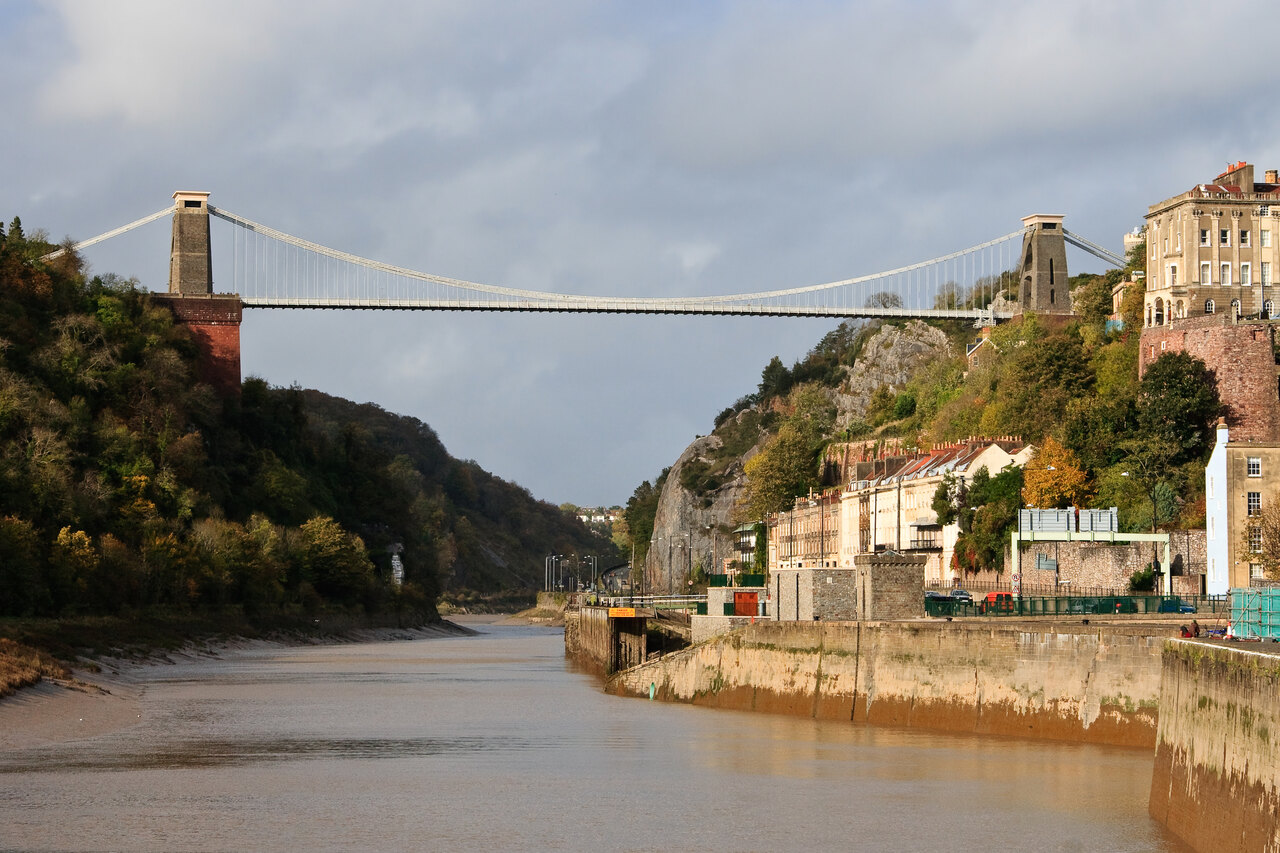
Clifton Village feels like a refined town within a city, defined by elegant Georgian terraces and proximity to the iconic Clifton Suspension Bridge. It is highly walkable, filled with boutique shops and cafes on The Mall. While it sits on a significant hill, the scenic strolls through the Durdham Down parklands are unparalleled for morning jogs or sunset picnics.
Stokes Croft
This area is raw, energetic, and unapologetically bohemian, serving as the epicentre of Bristol’s alternative culture. You are surrounded by world-class graffiti, including works by Banksy, and legendary music venues like The Canteen. It is a dense, gritty urban environment where the walk to Cabot Circus shopping centre takes roughly fifteen minutes. Expect loud nights and vibrant communal energy.
Southville
Across the river from the centre, Southville is dominated by Victorian terraces and a strong sense of community. North Street is the heart of the neighbourhood, packed with independent grocers, craft beer bars, and local theaters like the Tobacco Factory. It feels authentic and suburban, yet remains a pleasant, flat twenty-minute walk from the central Harbourside districts.
One thing to think about
Think twice about staying directly within the Broadmead shopping district. While convenient for high-street retail, it becomes sterile and eerily quiet once shops close. It lacks the architectural charm and local character found in the surrounding neighbourhoods, making it a poor choice for those seeking the authentic Bristol experience.
Other places to stay in UK: lastminute.com · Megabon
Once you have a bed
The things that sell out first in Bristol are the small-group tours and the skip-the-line tickets.
Common questions
How do I get around Bristol without a car?
The city is highly walkable, particularly around the harbour and central districts. For longer distances, the Voi e-scooter scheme is ubiquitous and efficient, though strictly regulated. Frequent local buses connect residential pockets like Clifton and Southville to the centre, while the Bristol Ferry Boats provide a scenic and practical way to travel between waterfront landmarks.
Which time of year is best for visiting?
Late spring and early autumn are ideal. You avoid the peak summer congestion, yet the weather remains temperate enough to enjoy Bristol’s many outdoor festivals, such as the International Balloon Fiesta in August. Visiting during these shoulder months ensures you can explore the steep hills of Clifton and the harbour paths without battling heavy crowds or frequent winter drizzle.
Is the hilly terrain difficult for walking?
Bristol is famously vertical, especially as you move north towards Clifton or Redland. If you have mobility concerns, focus your accommodation search on the Harbourside or the city centre, which are significantly flatter. If you are fit, the hills provide the best panoramic viewpoints in the city, but bring comfortable shoes to navigate the steep inclines safely.
Hotel links go to Booking.com.